
Introduction
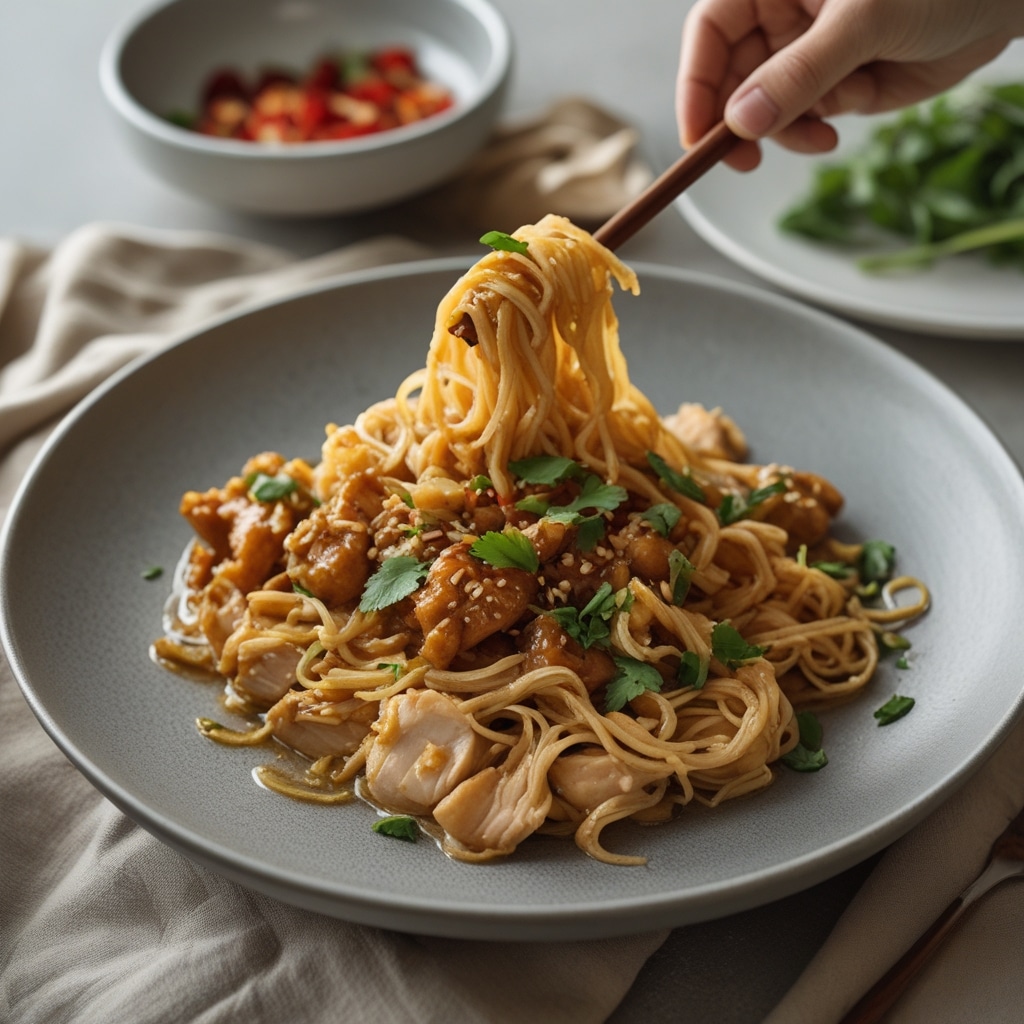
Few dishes capture the perfect balance of flavor, texture, and satisfaction quite like Sticky Garlic Chicken Noodles. This recipe brings together tender chicken, aromatic garlic, and glossy noodles coated in a deliciously sticky soy-based sauce. Whether you’re cooking for a quick weeknight meal or preparing a comforting dinner for family and friends, this dish perfectly blends Asian-inspired flavors with a home-cooked touch.
What makes this recipe so appealing is its simplicity — no special equipment, no hard-to-find ingredients, and yet the result tastes like something from your favorite takeout restaurant. This post will guide you through every step, explain the science behind achieving that perfect sticky texture, and share useful cooking tips. Along the way, you’ll also learn variations to customize the dish to your taste, dietary needs, or occasion — ensuring your home-cooked noodles stand out both in flavor and presentation.
Step-by-Step Instructions
Cooking an amazing plate of Sticky Garlic Chicken Noodles doesn’t require professional culinary skills; just attention to detail and a love for rich, comforting flavors. Here’s how you can make this dish perfectly every single time.
Step 1: Prep the Ingredients
Start by preparing all your ingredients before turning on the stove. Slice your chicken breast or thigh meat thinly for faster, even cooking. Mince fresh garlic — the star of the recipe — and set aside. Chop vegetables like bell peppers, scallions, or carrots for added color and crunch.
Pro tip: Pat the chicken dry with paper towels. Removing excess moisture ensures a better sear and prevents the meat from steaming instead of browning.
Step 2: Mix the Sauce
In a small bowl, combine soy sauce, oyster sauce, dark soy sauce, rice vinegar, brown sugar, and a touch of sesame oil. Stir until everything is fully dissolved. The key to that luscious sticky coating lies in balancing sweet, salty, and umami flavors. If you like a kick, add a pinch of chili flakes or sriracha for heat.
Step 3: Cook the Noodles
Boil your noodles according to package directions until just al dente — typically 2–3 minutes less than the recommended time. Drain and set aside. Overcooked noodles will break down and won’t hold sauce properly. Rice noodles or egg noodles work best for this recipe, but you can experiment with soba or ramen noodles for different textures.
Step 4: Stir-Fry the Chicken
Heat a tablespoon of oil in a wok or skillet over medium-high heat. Add the chicken slices and let them sear undisturbed for at least one minute. Stir occasionally until golden and cooked through. The caramelization process adds depth to your dish and enhances that glossy, sticky finish.
Step 5: Make It Sticky
Add minced garlic to the pan and stir-fry for 30 seconds until fragrant. Pour in your prepared sauce mixture and let it bubble for about a minute. The sugar will help the sauce thicken and cling to the chicken beautifully.
Now, toss in your noodles and vegetables, coating everything thoroughly. Continue stirring over medium heat until the sauce turns glossy and the noodles absorb the rich garlicky flavor. This step is where the magic happens — sticky, flavorful, and perfectly balanced.
Step 6: Garnish and Serve
Once everything is well combined, remove the pan from the heat. Garnish with sesame seeds, chopped scallions, or fresh cilantro for a refreshing finish. Serve immediately for the best texture and taste.
Tips
1. Adjust Sweetness and Saltiness
The ideal sticky noodle sauce depends on balance. Taste as you go — if it’s too salty, add a dash of honey or brown sugar. If too sweet, increase soy sauce or splash in more vinegar for acidity.
2. Use High Heat for Wok Hei
Authentic Asian stir-fries rely on high heat to develop a slightly smoky, caramelized flavor known as “wok hei.” Use a wide pan or wok to keep the noodles from steaming. Stir constantly to avoid burning the garlic while ensuring each strand gets coated evenly.
3. Prep Ahead for Quick Dinners
You can marinate the chicken up to 24 hours before cooking, and the sauce can be made in advance. Store both in the refrigerator and assemble them fresh when ready to cook. This makes weeknight dinners faster and reduces kitchen stress.
4. Keep Noodles from Clumping
If your cooked noodles sit for a while before stir-frying, toss them with a teaspoon of oil to prevent sticking. Cold noodles tend to clump, so room temperature yields better results when mixing with the sauce.
Alternative Methods
Vegetarian or Vegan Version
Skip the chicken and substitute with tofu or tempeh for a satisfying plant-based meal. Use mushroom or hoisin sauce as an umami-rich substitute for oyster sauce. Add extra vegetables such as shiitake mushrooms, snap peas, or bok choy for color and nutrition.
Gluten-Free Option
For a gluten-free version, use tamari instead of soy sauce, and ensure oyster and dark soy sauces are certified gluten-free. Pair with rice or glass noodles, which naturally contain no gluten.
Low-Carb or Keto Adaptation
Swap traditional noodles for spiralized zucchini or shirataki noodles to reduce carbohydrate content. These options seamlessly absorb the sticky garlic sauce without compromising taste.
Air Fryer or Oven-Baked Method
Instead of stir-frying, you can bake the marinated chicken at 400°F (200°C) for 20 minutes or air fry for 10–12 minutes before mixing with the noodles and sauce. This method produces crispier chicken pieces and reduces oil use.
Conclusion
Mastering the art of Sticky Garlic Chicken Noodles is not just about following a recipe — it’s about understanding how simple ingredients transform when combined with the right technique. The harmony between savory soy, fragrant garlic, and chewy noodles is universally appealing, making it a crowd-pleaser for any occasion.
What’s most rewarding about this dish is its adaptability. Whether you’re looking for a quick family dinner, a comforting weekend treat, or an impressive meal to share with guests, this recipe fits effortlessly into your cooking repertoire. With these step-by-step instructions and expert tips, you’ll be making restaurant-quality noodles at home in no time — deliciously sticky, flavorful, and unforgettable.