
Introduction
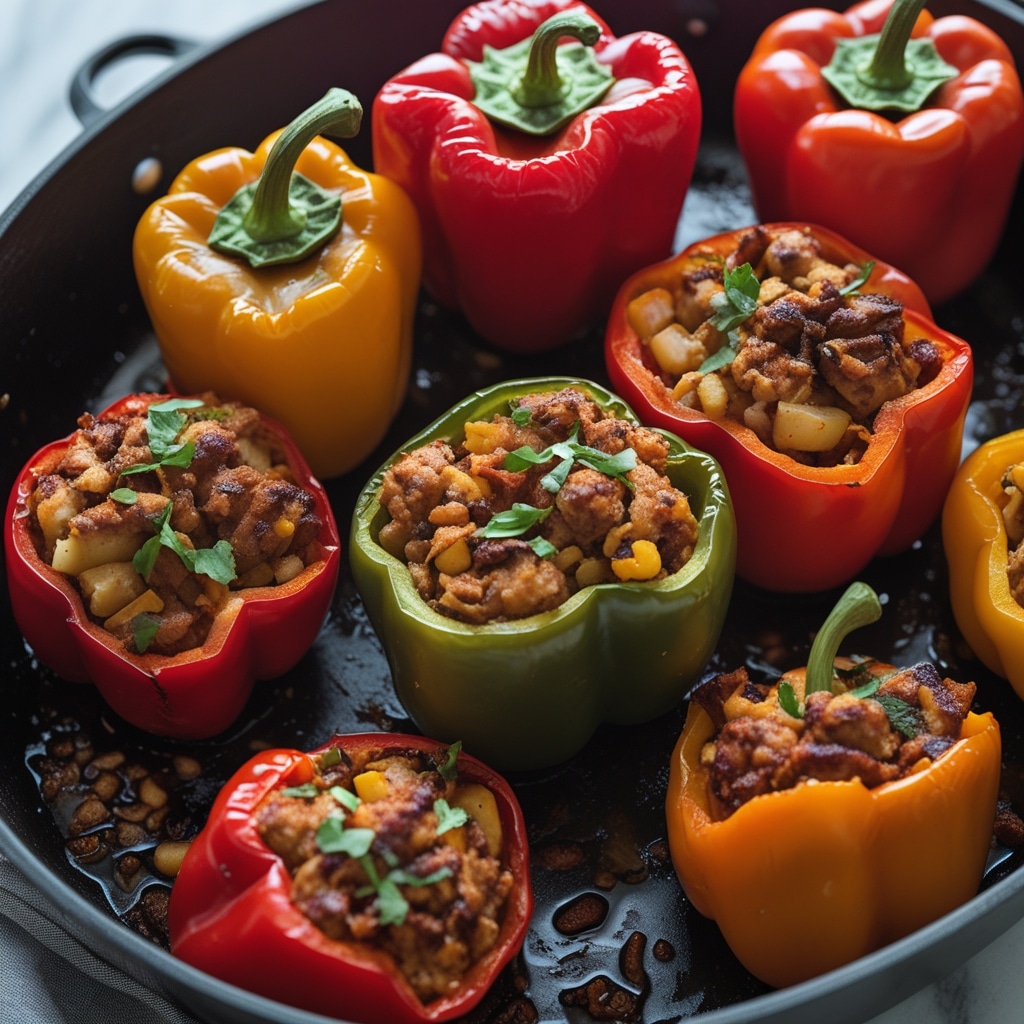
Few dishes embody the essence of comfort food and wholesome nutrition quite like Stuffed Bell Peppers. This timeless recipe has graced dinner tables around the world, blending vibrant colors, savory fillings, and an enticing aroma that draws everyone to the kitchen. Perfect for family meals or weeknight dinners, this dish balances convenience with flavor and presentation. Beyond its visual appeal, it’s a powerhouse of nutrients — bell peppers are packed with vitamin C, while the filling can be customized to include protein, fiber, and healthy grains.
From an SEO and food blogging perspective, this recipe is ideal for readers searching for hearty, nutritious weeknight meals. The key to optimizing content like this is integrating culinary storytelling with data-driven keyword strategies. When executed well, it captivates audiences and performs exceptionally in search rankings, making it a must-have recipe for both food lovers and digital creators alike.
Let’s dive into how to create this flavorful dish while learning how to craft blog content that resonates both with human readers and search algorithms.
Step-by-Step Instructions
Cooking Stuffed Bell Peppers is straightforward yet satisfying. The blend of color, texture, and flavor offers a rewarding kitchen experience even for beginner cooks. Each step lays the foundation for a dish that’s as visually appealing as it is delicious.
Step 1: Choose and Prepare the Bell Peppers
Select fresh bell peppers of uniform size for even cooking. Choose a mix of red, yellow, and green for visual variety. Slice off the tops and remove seeds and membranes carefully while keeping the body intact.
Step 2: Prepare the Filling
The filling determines the depth of flavor. In a skillet, sauté onions, garlic, and diced tomatoes with olive oil until fragrant. Add ground beef, turkey, or lentils for protein, followed by cooked rice or quinoa for bulk. Season with Italian herbs, smoked paprika, salt, and pepper. Stir until all ingredients are well combined and cohesive.
Step 3: Stuff and Bake
Scoop the filling into each pepper until fully packed but not overflowing. Top with shredded cheese for a melted, savory finish. Place them upright in a baking dish, pour a small amount of tomato sauce around the base for moisture, cover with foil, and bake at 375°F (190°C) for 35–40 minutes. Remove the foil for the final 10 minutes for a golden top.
Step 4: Garnish and Serve
Let the peppers rest for five minutes after baking. Garnish with fresh parsley, basil, or a drizzle of olive oil. Serve warm with a side of mixed greens or a crispy baguette for a complete meal that satisfies both visually and nutritionally.
Tips
These expert tips elevate your recipe and align your food blog post with semantic relevance and reader engagement cues:
1. Balance Flavors and Textures
Combine soft and crunchy elements for maximum appeal. If the filling feels dry, add diced tomatoes or a touch of tomato paste. For a creamy element, mix in ricotta or feta before baking.
2. Highlight Seasonal Produce
Search engines favor content with freshness and relevance — and so do readers. Mention using seasonal bell peppers or organic ingredients, as this helps position your blog post as both authentic and eco-conscious, appealing to sustainability-minded audiences.
3. Include Data-Driven Nutritional Insights
A well-optimized recipe doesn’t stop at flavor. Add brief nutritional facts: a serving typically provides around 250–300 calories, 20 grams of protein, and 6 grams of fiber, depending on the filling. This helps readers make informed choices and increases your post’s informational value.
4. Craft a Story Around the Experience
Blogging success depends on emotional connection. Share anecdotes about first learning to make this dish or serving it to loved ones. These personal touches increase reader dwell time and engagement — strong indicators for SEO algorithms.
5. Include Schema Markup for Recipes
From a technical standpoint, embedding recipe schema improves your visibility on Google’s rich snippets. Include details like cook time, prep time, and calories per serving within structured data to enhance search result appearance.
Alternative Methods
To broaden your content’s reach and resonate with diverse reader preferences, consider presenting creative alternatives that cater to evolving dietary and cultural trends.
Vegetarian or Vegan Version
Replace meat with black beans, chickpeas, or lentils. Incorporate quinoa or brown rice and season with cumin, chili powder, and lime juice for a robust flavor. Vegan cheese can substitute traditional cheese for a plant-based twist.
Low-Carb or Keto Variation
Skip the grains entirely and fill peppers with cauliflower rice, ground turkey, and spinach. Add cream cheese for texture and richness while keeping carbohydrates low. These modifications not only meet dietary needs but also expand organic reach by tapping into health-focused search categories.
Air Fryer or Instant Pot Method
For quicker preparation, cook the peppers in an air fryer at 350°F (175°C) for 15–18 minutes until tender and slightly charred. Alternatively, the Instant Pot version requires just 10 minutes on High Pressure followed by a quick release, producing a juicy, ready-to-serve result.
Experimenting with multiple cooking methods enhances your reader experience, keeps the content dynamic, and signals semantic depth — factors that improve overall search engine performance.
Conclusion
More than just a beloved comfort dish, Stuffed Bell Peppers represent the heart of modern home cooking: nutritious, adaptable, and visually stunning. Whether baked traditionally, made vegan, or reimagined for different diets, this recipe demonstrates how simple ingredients can create a deeply satisfying meal.
For food bloggers and SEO-focused creators, it’s also a prime example of how to blend storytelling, culinary insight, and optimization strategies that appeal to readers and algorithms alike. By weaving sensory details, nutritional context, and technical enhancements into your recipe post, you position your content as rich, helpful, and highly shareable.
Ultimately, recipes like this one don’t just feed the body — they feed the narrative of your culinary brand. When combined with a data-driven content strategy, they become powerful tools for growth, engagement, and authority in the digital food space.