
Introduction
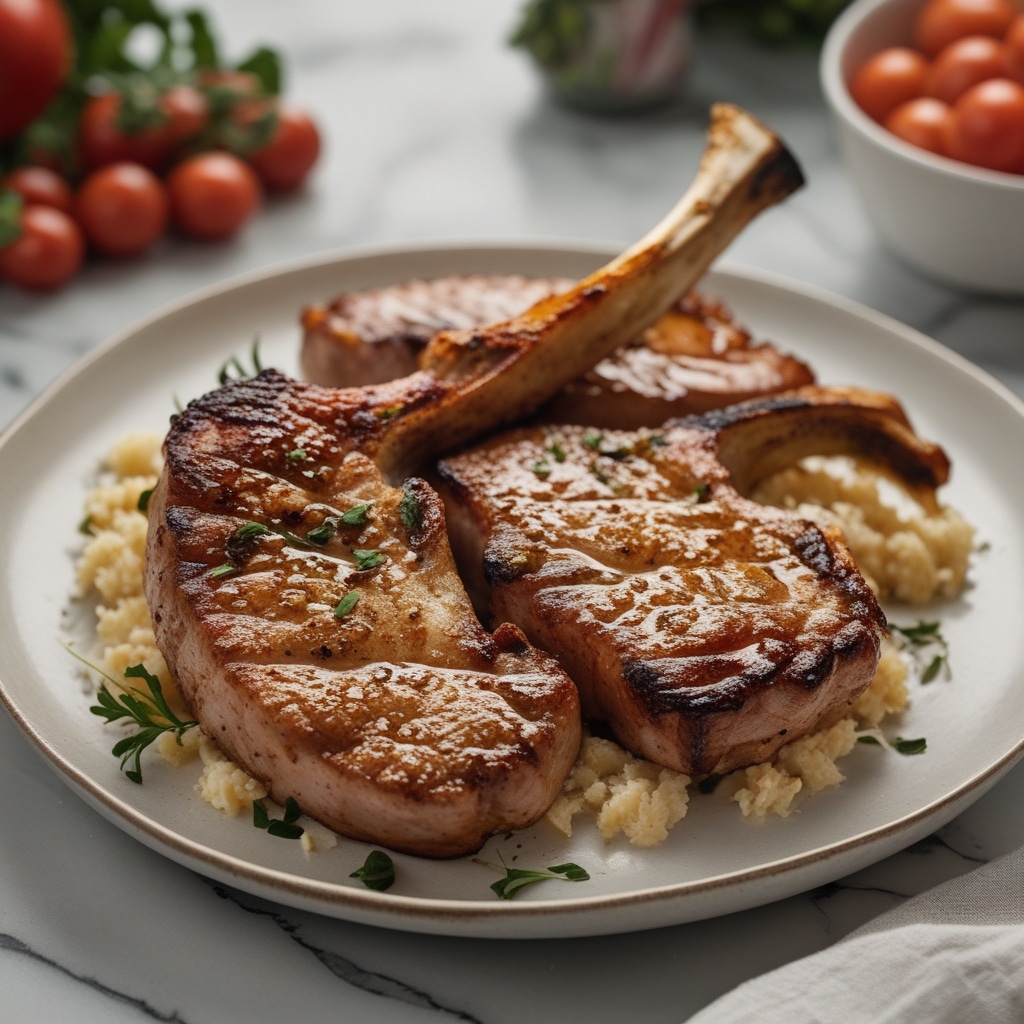
Smoky, tender, and bursting with flavor — few dishes showcase the art of outdoor cooking like Traeger Pork Chops. Whether you’re hosting a backyard barbecue or perfecting your weeknight dinner lineup, this recipe delivers the ideal balance of juiciness and bold flavor that Traeger wood pellet grills are famous for. What makes this dish stand out isn’t just the incredible smoky aroma, but also the precision and consistency that come with cooking on a Traeger. Each chop turns out perfectly cooked, with a caramelized crust and a succulent interior that keeps your guests coming back for more. In this post, we’ll walk through every step of the process, share pro-level tips, explore alternative cooking techniques, and ensure your pork chops are the talk of the table.
—
Step-by-Step Instructions
Cooking Traeger Pork Chops isn’t complicated, but mastering the technique takes a little attention to detail. Follow these structured steps for results that impress every time.
Step 1: Choosing the Right Cut
Start with thick, bone-in chops (about 1 to 1.5 inches thick). The bone helps retain moisture and adds a richer flavor profile. Consider cuts such as center-cut loin chops or rib chops, known for their tenderness and marbling. A little fat around the edges ensures juicier results and prevents drying during the smoking process.
Step 2: Seasoning and Preparation
A flavorful rub starts your chops on the right note. Combine kosher salt, freshly ground black pepper, garlic powder, smoked paprika, and a hint of brown sugar for balance. Pat the pork chops dry with a paper towel, then coat them evenly with the seasoning blend. Let them rest at room temperature for about 15–20 minutes before grilling — this step ensures even cooking and allows the rub to penetrate the meat.
Step 3: Preheat the Grill
Heat your Traeger grill to 225°F using wood pellets like apple, hickory, or cherry for the best smoky notes. These wood varieties add subtle sweetness that complements the savory pork flavor. Give your grill at least 15 minutes to preheat, ensuring consistent temperature throughout the cook.
Step 4: The Smoke Phase
Place the pork chops directly on the grill grates. Close the lid and smoke the chops for about 30–40 minutes, or until the internal temperature reaches 135°F. This slow, gentle smoke phase infuses rich, natural wood flavor without overcooking.
Step 5: The Sear Stage
Increase the grill temperature to 450°F. Transfer the chops onto the hot section of the grill to sear each side for 2–3 minutes. This step creates a beautiful crust and locks in juices while amplifying smoky caramelization.
Step 6: Rest and Serve
Remove the chops from the grill when the internal temperature reaches 145°F. Let them rest for 5–7 minutes before serving. During this time, the juices redistribute, resulting in moist, mouth-watering pork that cuts like butter.
—
Tips
When preparing smoked pork chops, small details make a noticeable difference. Here are expert tips for achieving next-level results:
1. Optimize Smoke Flavor
Use premium hardwood pellets and keep the hopper clean. Applewood, maple, and pecan impart a subtle sweetness, while mesquite offers a stronger, more traditional BBQ flavor. Mixing wood flavors often produces a more balanced smoke profile.
2. Monitor Internal Temperature Precisely
Overcooking is the enemy of tender pork. Use a digital meat thermometer throughout the cook. The sweet spot is 145°F — anything higher can lead to dryness.
3. Keep the Grill Clean
A clean Traeger ensures even burn and prevents old grease from altering the flavor. After each cook, scrape grates and empty the grease trap.
4. Marinate Overnight for Depth
For additional flavor, prepare a salt brine using one quart of water, ¼ cup of kosher salt, and a tablespoon of honey. Soak the chops overnight in the refrigerator, then pat dry before seasoning. This enhances moisture retention and brings out a subtle sweetness in every bite.
5. Use a Two-Phase Cooking Approach
The combination of low-and-slow smoking followed by high-temperature searing — also known as reverse searing — guarantees juicy, evenly cooked chops. It’s a professional-grade strategy that enhances texture and presentation.
—
Alternative Methods
While Traeger grills deliver unmatched results, you can still achieve exceptional flavor using other techniques. Here are a few proven alternatives:
1. Cast Iron Skillet
If you’re cooking indoors, preheat a cast-iron skillet over medium-high heat. Use oil with a high smoke point, such as avocado or grapeseed oil. Sear the chops for 3–4 minutes per side, then finish them in a 400°F oven until the internal temperature hits 145°F. The skillet method locks in flavor and delivers a satisfying crust.
2. Gas or Charcoal Grill
For those without a pellet grill, the two-zone method works wonders. Create a hot direct zone for searing and a cooler indirect zone for finishing. Start the chops on the cooler side for 10–15 minutes, then move them to the hot side for a quick sear. Add wood chips wrapped in foil to introduce smoky depth.
3. Sous Vide Finish on the Grill
Sous vide provides precision — perfectly cooked pork every time. Seal seasoned chops in vacuum bags and cook in a water bath at 140°F for 1½ hours. Finish by searing each side on a hot grill for 1–2 minutes to develop that signature char and smoky kick.
4. Air Fryer Adaptation
For convenience, try the air fryer method. Preheat to 400°F and cook seasoned chops for 12–14 minutes, flipping halfway. While it won’t replicate the smoky complexity of the Traeger, it produces quick, juicy results with minimal cleanup.
—
Conclusion
Grilling Traeger Pork Chops is more than just cooking — it’s an experience that combines precision, flavor, and a touch of artistry. With the right seasoning, careful temperature control, and thoughtful technique, every bite delivers smoky depth and mouth-watering tenderness. From weeknight dinners to weekend gatherings, these chops are the perfect way to impress your guests and celebrate the joys of outdoor cooking. Whether you’re a seasoned griller or just starting out, mastering this recipe will prove that great barbecue doesn’t have to be complicated — it just needs care, patience, and the unmistakable flavor that only a Traeger can create.