
Introduction
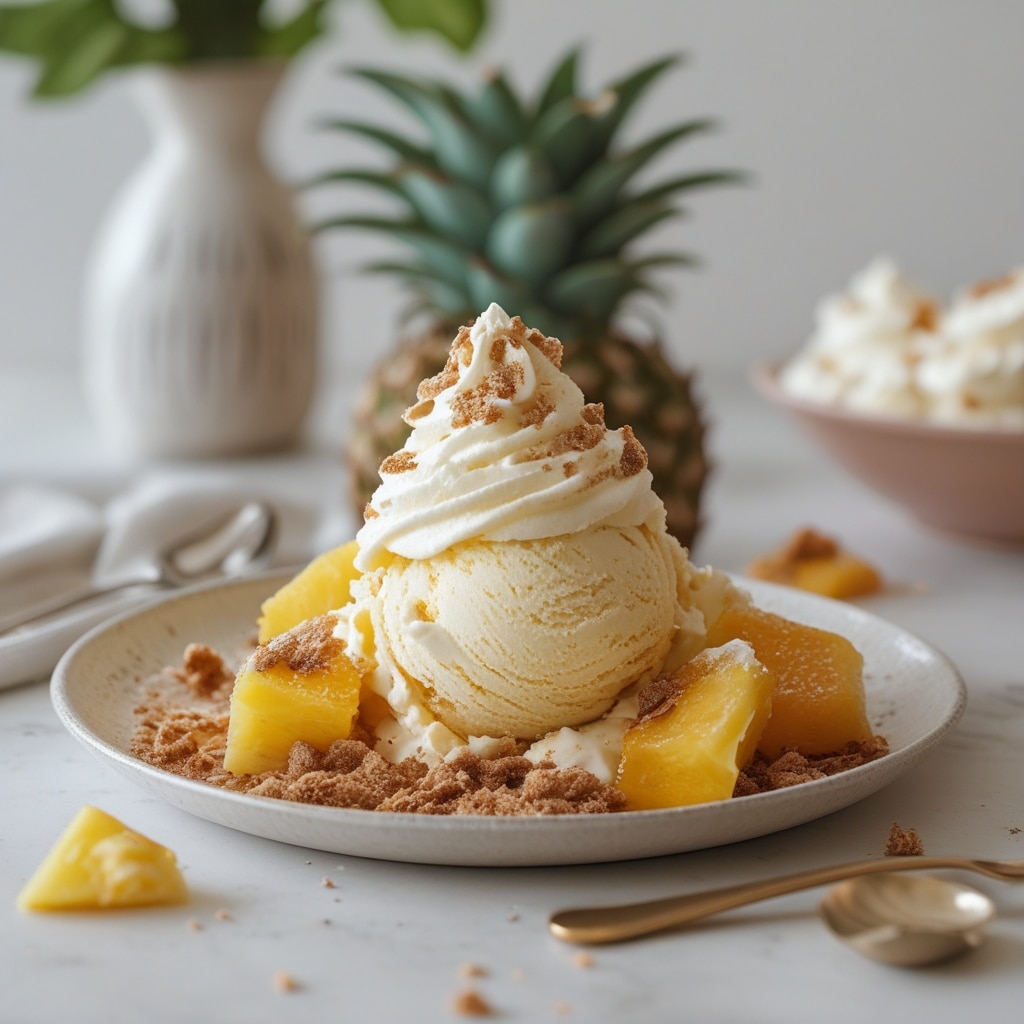
There’s nothing quite like the creamy, tropical bliss of a homemade ice cream that tastes like summer in every bite. Whether you’re hosting a poolside party or just craving something refreshing, Tropical Piña Colada Ice Cream captures everything you love about paradise in one scoop. Bursting with the sweetness of ripe pineapple, the richness of coconut cream, and a hint of fresh lime, this indulgent dessert brings a vacation vibe straight to your kitchen. In this post, we’ll explore how to make it easily from scratch, discover helpful tips for perfect consistency, and even explore alternatives for different dietary preferences—all built for flavor, texture, and SEO-smart storytelling.
—
Step-by-Step Instructions
Creating this creamy delight isn’t just about following a recipe; it’s about balancing tropical elements and mastering the science of frozen desserts. Here’s how to prepare your batch of Tropical Piña Colada Ice Cream:
Step 1: Prepare Your Ingredients
Gather essentials that embody the Caribbean vibe. You’ll need:
– 1 cup of finely chopped pineapple (fresh or canned)
– 1 cup coconut milk (full fat for creaminess)
– 1 cup heavy cream
– ½ cup granulated sugar
– 2 tablespoons cream of coconut
– 1 teaspoon pure vanilla extract
– Juice of one lime
– Optional: 2 tablespoons of rum for an authentic cocktail flavor
Ensure the pineapple is drained if it’s canned to prevent ice crystals. The balance between fruit and fat is critical, as it determines how smooth your ice cream turns out.
Step 2: Blend the Base
In a high-speed blender, combine pineapple, coconut milk, sugar, and cream of coconut. Blend until silky and smooth. Add the lime juice and vanilla extract, tasting your mix to fine-tune the tropical sweetness. If you’re incorporating rum, mix it in at this stage to help keep your ice cream scoopable by lowering the freezing point.
Step 3: Chill and Churn
Pour the mixture into a bowl, cover with plastic wrap, and refrigerate for at least 2–3 hours. This aging process improves texture and flavor depth. Then churn the cooled base in an ice cream machine as per manufacturer directions for about 20–25 minutes, or until thick and creamy.
Step 4: Freeze to Perfection
Transfer the soft-set ice cream to an airtight container. Freeze for 4–6 hours to achieve the perfect scoopable consistency. For a tropical touch, sprinkle toasted coconut flakes or crushed pineapple on top before serving.
—
Tips
Homemade frozen desserts demand a little nuance to get restaurant-quality results. Here are some expert tips to elevate your recipe’s performance and mouthfeel:
– Optimize fat balance: Use full-fat coconut milk—it binds flavors and enhances creaminess naturally without additives.
– Control ice crystals: Alcohol (like rum) or a dash of corn syrup can help prevent a grainy texture.
– Layer flavors: Add lime zest at the end for a refreshing brightness that contrasts the creamy coconut body.
– Serve with flair: Garnish with maraschino cherries or mango slices for a visually irresistible presentation.
– Storage matters: Keep the container sealed tightly to prevent freezer burn. A piece of parchment directly on the surface helps preserve texture.
Technically speaking, these principles mirror what professional ice cream artisans follow—balancing air incorporation, sugar ratio, and fat emulsification.
—
Alternative Methods
Not everyone has an ice cream machine, but that shouldn’t stop you from enjoying tropical magic. Here are three satisfying alternatives:
1. No-Churn Option
Blend all your ingredients, then fold in whipped heavy cream to give your ice cream a lighter texture. Pour into a loaf pan, cover, and freeze overnight. The result? A decadent, dreamy dessert without fancy tools.
2. Dairy-Free or Vegan Spin
Replace heavy cream with coconut cream and ensure your sweetener is plant-based, such as agave syrup. You’ll still get that creamy mouthfeel, plus a naturally vegan treat suitable for all diets.
3. Frozen Dessert Bowls or Bars
Turn your Pina Colada base into popsicles or bars! Add blended tropical fruits like mango or passionfruit layers for visual contrast and flavor dimension. It’s a snackable, portable summer upgrade.
Each of these approaches keeps your flavor profile intact while tailoring the experience for convenience and flexibility. They’re optimized not just for taste, but for shareability—perfect for social media styling and pin-worthy presentation.
—
Conclusion
And there you have it—a smooth, fruity, island-inspired dessert that delivers sunshine in every spoonful. With creamy coconut, bright pineapple, and that faint citrus lift, Tropical Piña Colada Ice Cream captures the refreshing comfort of a Caribbean vacation without ever leaving home. Whether you experiment with no-churn variations or integrate artisanal presentation techniques, this recipe is designed for indulgence and health-conscious satisfaction alike.
Beyond its taste, it’s also an opportunity to explore generative cooking creativity—tailoring sweetness, texture, and visual appeal to your own preferences. From an SEO standpoint, tropical flavor themes, summer desserts, and homemade ice cream ideas drive strong seasonal search engagement, making this content evergreen for food bloggers and culinary enthusiasts alike.
Bookmark this guide, share it with fellow dessert lovers, or replicate it for the next summer get-together. Every scoop tells a story of tropical indulgence and creative home cooking done right.