
Introduction
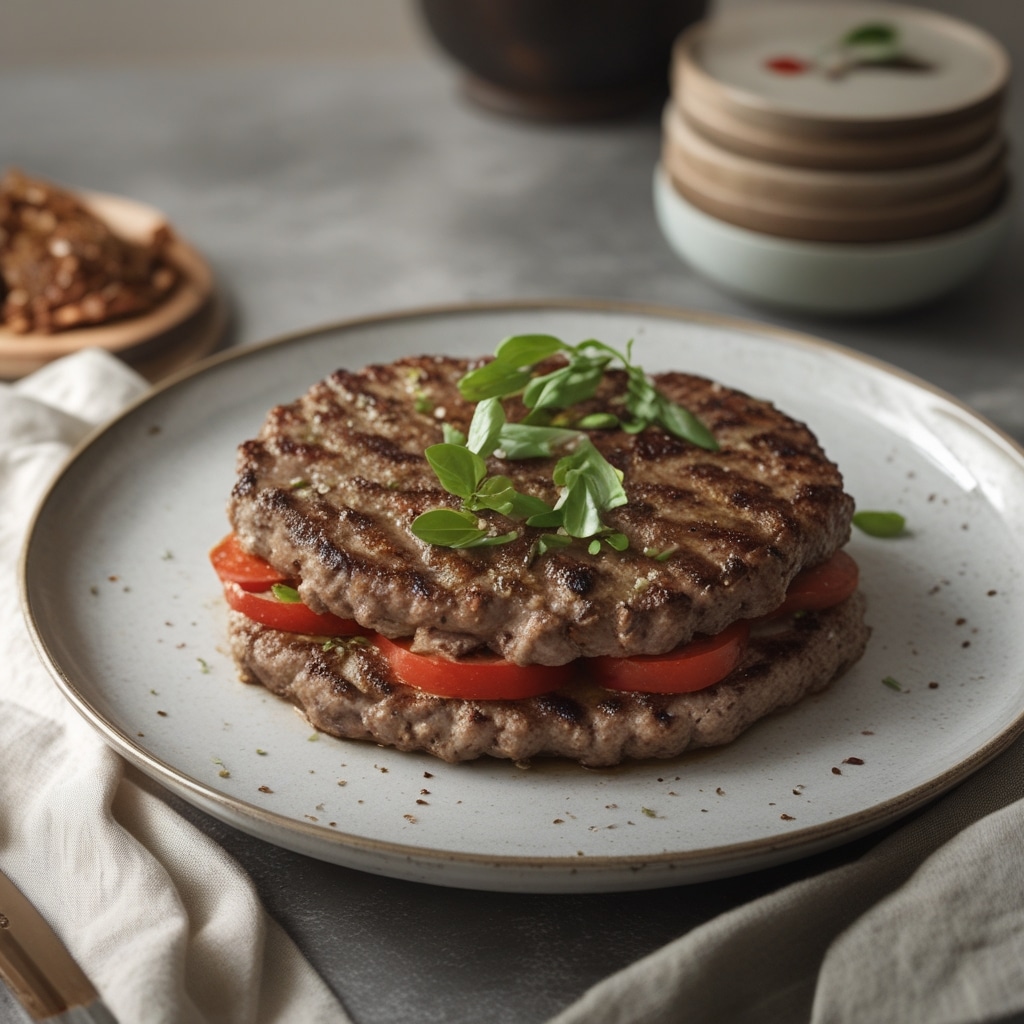
There’s something irresistibly comforting about a hearty dish that brings together the warmth of Tuscan flavors with the simplicity of classic American cuisine. That’s exactly what makes Tuscan Hamburger Steaks so special — they’re rustic, flavorful, and approachable for any home cook. This dish transforms a humble ground beef patty into an elegant dinner packed with Mediterranean flair. Think rich tomato-based gravy, sautéed onions, garlic, and herbs that infuse every bite with deep, earthy notes reminiscent of a countryside kitchen in Tuscany.
In this post, we’ll guide you through every step of creating this dish from scratch, share tips to level up your presentation, and even provide alternative methods that fit different dietary preferences. Whether you’re cooking for a family gathering or a cozy weekend dinner, this recipe promises to be your next go-to comfort food with a gourmet twist.
—
Step-by-Step Instructions
Cooking Tuscan Hamburger Steaks begins with choosing high-quality ingredients. Start with 80/20 ground beef for the perfect balance of flavor and tenderness. You’ll also need fresh herbs such as rosemary, basil, and parsley to evoke that characteristic Tuscan aroma. Here’s how to make them:
Step 1: Prepare the Patties
Combine ground beef, minced garlic, finely chopped onion, an egg, breadcrumbs, and a splash of milk in a large mixing bowl. Season generously with salt, black pepper, and a pinch of crushed red pepper for heat. Mix gently—overworking the meat can make the patties tough. Shape the mixture into evenly sized oval patties and refrigerate for at least 20 minutes to help them hold their form during cooking.
Step 2: Sear the Patties
Heat olive oil in a skillet over medium-high heat. Place the patties in the hot pan and sear each side for about three minutes, creating a golden-brown crust. Don’t worry about cooking them through at this point; the magic happens when they finish simmering in a savory Tuscan-style gravy.
Step 3: Craft the Tuscan Gravy
Remove the patties and add diced onions to the same skillet, allowing them to caramelize in the beef drippings. Add minced garlic, chopped sun-dried tomatoes, and a splash of red wine (optional) for a rich base. Stir in tomato paste, beef broth, a touch of heavy cream, and your chosen herbs. Simmer the sauce until it thickens slightly, coating the back of a spoon.
Step 4: Simmer and Serve
Return the patties to the skillet and let them simmer in the sauce for another 10–12 minutes over low heat. This step allows the flavors to meld beautifully, ensuring every bite is bursting with that signature Tuscan character. Once done, sprinkle with freshly chopped parsley and a drizzle of extra-virgin olive oil before serving.
Serve alongside mashed potatoes, polenta, or roasted vegetables for a balanced and visually stunning plate.
—
Tips
Crafting the perfect Tuscan-style hamburger steak requires attention to detail and balance. Here are a few expert tips to ensure the dish turns out perfectly every time:
1. Use fresh herbs for the best flavor. Dried herbs can work, but fresh rosemary and basil add aromatic depth that elevates the entire dish.
2. Don’t overmix your meat. Stirring too aggressively can compact the beef, resulting in a dense texture. Mix gently with your hands until just combined.
3. Deglaze wisely. When deglazing your pan after searing, use a bold wine like Chianti or Sangiovese — both are native to Tuscany and add subtle sweetness to the sauce.
4. Rest the patties. Allow the cooked patties to rest for a few minutes before serving; this helps the juices redistribute evenly, keeping each bite juicy and satisfying.
5. Choose your sides intentionally. Creamy mashed potatoes or buttery polenta absorb the sauce beautifully, enhancing the dish’s cohesive flavor profile.
6. Garnish with style. A sprinkle of shaved Parmesan or a few fresh basil leaves can transform the dish into restaurant-quality fare with minimal effort.
—
Alternative Methods
If you’re looking for ways to adapt this recipe to specific dietary needs or preferences, you’re in luck — there are plenty of versatile options to keep the Tuscan spirit intact while making it your own.
Plant-Based Option
Replace the ground beef with a plant-based alternative such as lentils or textured vegetable protein. Substitute the cream with coconut milk and use vegetable broth instead of beef broth. The result is a creamy, vegan-friendly dish that still delivers that signature depth of Tuscan flavor.
Gluten-Free Adaptation
Simply swap traditional breadcrumbs for gluten-free panko or crushed gluten-free crackers. Make sure your broth and tomato paste are certified gluten-free to prevent cross-contamination.
Low-Carb or Keto Version
Eliminate breadcrumbs and use almond flour or grated Parmesan as a binder instead. Serve over sautéed spinach or cauliflower mash to keep it low-carb while maintaining indulgent flavor.
Slow Cooker Approach
Prefer a “set it and forget it” meal? Brown the patties first, then transfer them to your slow cooker with the sauce ingredients. Cook on low for 4–5 hours. The texture becomes incredibly tender, and the flavors deepen as they meld over time.
Air Fryer Hack
You can also air-fry the patties before simmering them in the sauce. This method reduces overall fat content while keeping that crisp exterior. Once the patties are about 80% cooked, move them into the skillet with the sauce to finish.
—
Conclusion
Rich, hearty, and undeniably comforting, Tuscan Hamburger Steaks prove that simple ingredients can yield extraordinary results when crafted with care. This recipe captures the heart of Tuscan cooking—rustic charm, flavor-packed sauces, and thoughtful attention to detail—while staying true to the comforting nostalgia of a traditional hamburger steak. Whether you follow the original preparation or explore one of the alternative methods, this dish easily adapts to your personal taste and kitchen routine.
By mastering the art of balancing warmth, texture, and bold, savory notes, you’ll bring a little taste of Tuscany to your table any night of the week. It’s a recipe that invites sharing, conversation, and connection—hallmarks of what makes great food truly memorable.