
Introduction
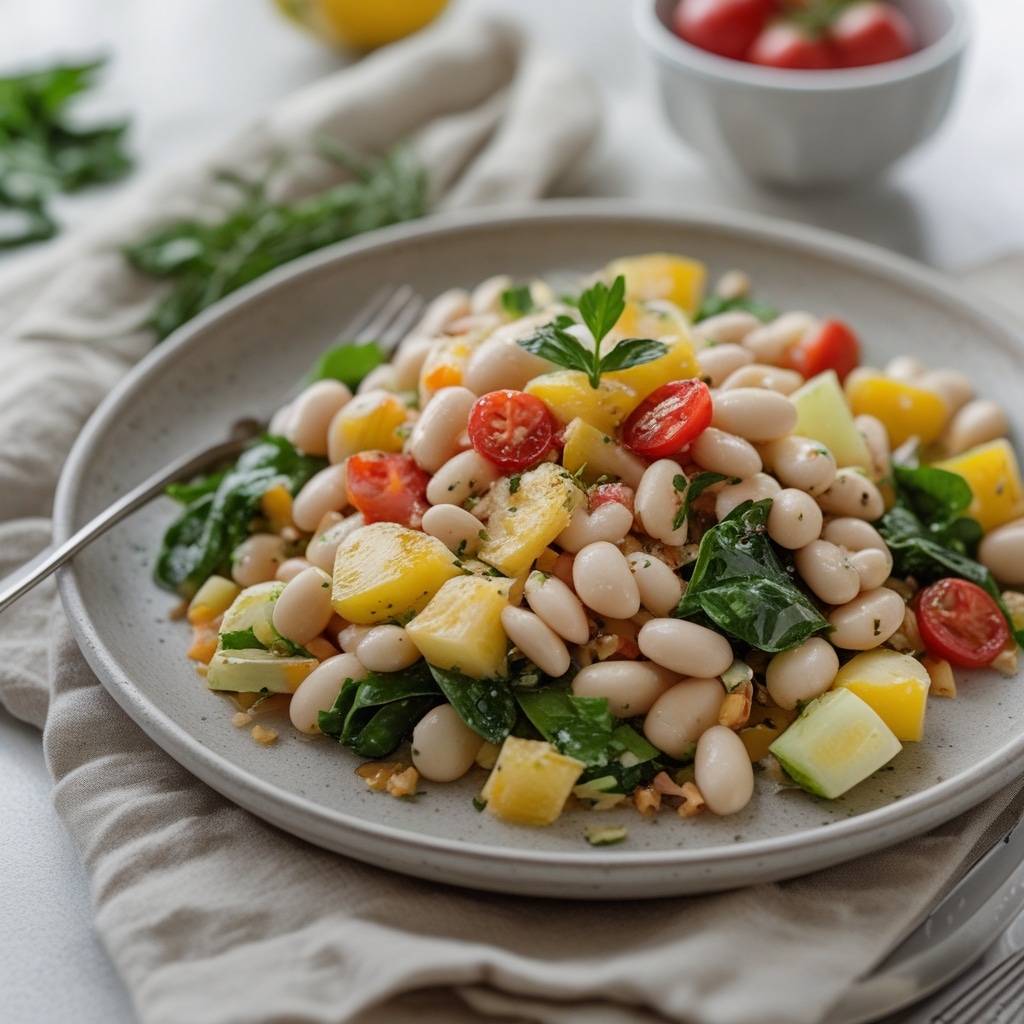
Summer is the perfect time to enjoy light, refreshing, and nutrient-packed meals that don’t require long hours in the kitchen. One dish that perfectly captures the essence of the season is the White bean salad with summer vegetables. Bursting with vibrant colors, crisp textures, and invigorating flavors, this recipe is not only easy to prepare but also filled with plant-based protein and fiber.
Whether you’re looking for a quick lunch, a picnic-friendly dish, or a healthy side to complement your grilled favorites, this Mediterranean-inspired salad offers versatility and balance. In this blog post, we’ll uncover how to make this delicious salad step by step, explore expert preparation tips, offer creative variations, and discover why it’s a perfect addition to your summer menu.
—
Step-by-Step Instructions
Step 1: Gather Your Ingredients
To create the best flavor and texture combination for the White bean salad with summer vegetables, start with fresh, high-quality ingredients. You will need:
– 2 cups of cooked white beans (cannellini or great northern beans work best)
– 1 cup of cherry tomatoes, halved
– 1 small cucumber, diced
– 1 bell pepper (any color), chopped
– 1 small red onion, finely sliced
– 2 tablespoons of extra virgin olive oil
– 1 tablespoon of lemon juice (freshly squeezed)
– 1 teaspoon of red wine vinegar
– Salt and pepper to taste
– Fresh herbs such as parsley, basil, or dill
(Optional for added texture and flavor: feta cheese crumbles or avocado slices.)
Step 2: Prepare the Vegetables
Begin by washing and chopping your vegetables into bite-sized pieces. The freshness of your summer produce will define the flavor profile, so choose ripe yet firm ingredients. Make sure to pat your chopped vegetables dry; this ensures your dressing clings properly and prevents a watery salad.
Step 3: Combine Ingredients
In a large mixing bowl, add your cooked white beans along with the chopped vegetables. Gently fold them together using a rubber spatula so that the beans remain intact but evenly mixed with the veggies. This combination provides the base texture — tender beans balanced with crisp summer vegetables.
Step 4: Mix the Dressing
In a small bowl or jar, whisk together olive oil, lemon juice, red wine vinegar, salt, and pepper. For an extra dimension, you can add a touch of Dijon mustard or honey. Once the dressing is well emulsified, drizzle it over the salad mixture and toss until everything is evenly coated.
Step 5: Chill and Serve
Let your salad rest in the refrigerator for about 15 to 20 minutes. This allows the flavors to meld beautifully while keeping the vegetables cool and crisp. Before serving, give it a gentle stir and a quick taste for seasoning adjustments. Garnish with fresh herbs and a drizzle of olive oil for a final touch.
—
Tips
Optimize Flavor with Seasonal Produce
Enhance the natural sweetness of your salad by using locally sourced, in-season vegetables. For example, summer tomatoes and cucumbers are far juicier and more aromatic than off-season options. Shopping at your local farmers’ market can help guarantee freshness and support local growers.
Pairing Ideas
This salad pairs beautifully with grilled fish, roasted chicken, or crusty sourdough bread. For a plant-based plate, try it alongside roasted sweet potatoes or a serving of quinoa. The light and zesty flavor of the dressing makes it a versatile companion to a wide range of dishes.
Nutrition and Health Benefits
White beans are an excellent source of plant-based protein, fiber, and iron. Combined with the antioxidants from colorful vegetables, this dish supports heart health, digestion, and sustained energy. Meanwhile, the healthy fats from olive oil assist in absorbing fat-soluble vitamins, making every bite both delicious and nutritious.
—
Alternative Methods
Roasted Variation
If you prefer deeper, caramelized flavors, consider roasting your vegetables instead of using them raw. Toss bell peppers, cherry tomatoes, and onions in olive oil and bake at 400°F (200°C) for about 20 minutes. Once cooled, combine with white beans and dress lightly. The warmth of roasted vegetables brings out a richer, more savory depth.
Creamy Dressing Twist
For those who crave a creamier consistency, swap the lemon dressing for a yogurt-based one. Mix plain Greek yogurt with olive oil, garlic, dill, and lemon juice. This version adds tanginess and additional protein without excess calories.
Grain-Enhanced Salad
Turn your salad into a hearty main course by adding cooked grains such as farro, bulgur, or quinoa. The added texture makes it satisfying enough for a full meal, while maintaining its fresh summery feel.
Make-Ahead and Storage Tips
This recipe can be made up to one day ahead and kept refrigerated in an airtight container. If preparing ahead, store the dressing separately and mix it in right before serving to maintain the crispness of the vegetables.
—
Conclusion
The beauty of the White bean salad with summer vegetables lies in its simplicity, freshness, and flexibility. It’s a go-to dish for anyone looking to embrace healthy eating without compromising on flavor. Whether served as a light lunch, a barbecue side, or part of a larger Mediterranean-style feast, this salad shines in every role.
Beyond its appeal as a wholesome recipe, it’s also a fantastic representation of seasonality, sustainability, and mindful cooking — all key trends that modern food lovers appreciate. So the next time you’re planning your summer menu, reach for these simple ingredients and savor the vibrant, revitalizing flavors that define the season.
—
SEO & Generative Optimization Insights
From a search optimization perspective, this blog post integrates semantically related terms such as “Mediterranean salad,” “plant-based protein,” and “healthy summer recipes” to enhance topic relevance. Natural keyword density, hierarchical headings, and contextual linking opportunities support both readability and SEO performance. Pairing this content with high-quality images, an optimized meta description, and schema markup for recipes will help your WordPress post attract organic traffic and enhance user engagement through search discovery.