
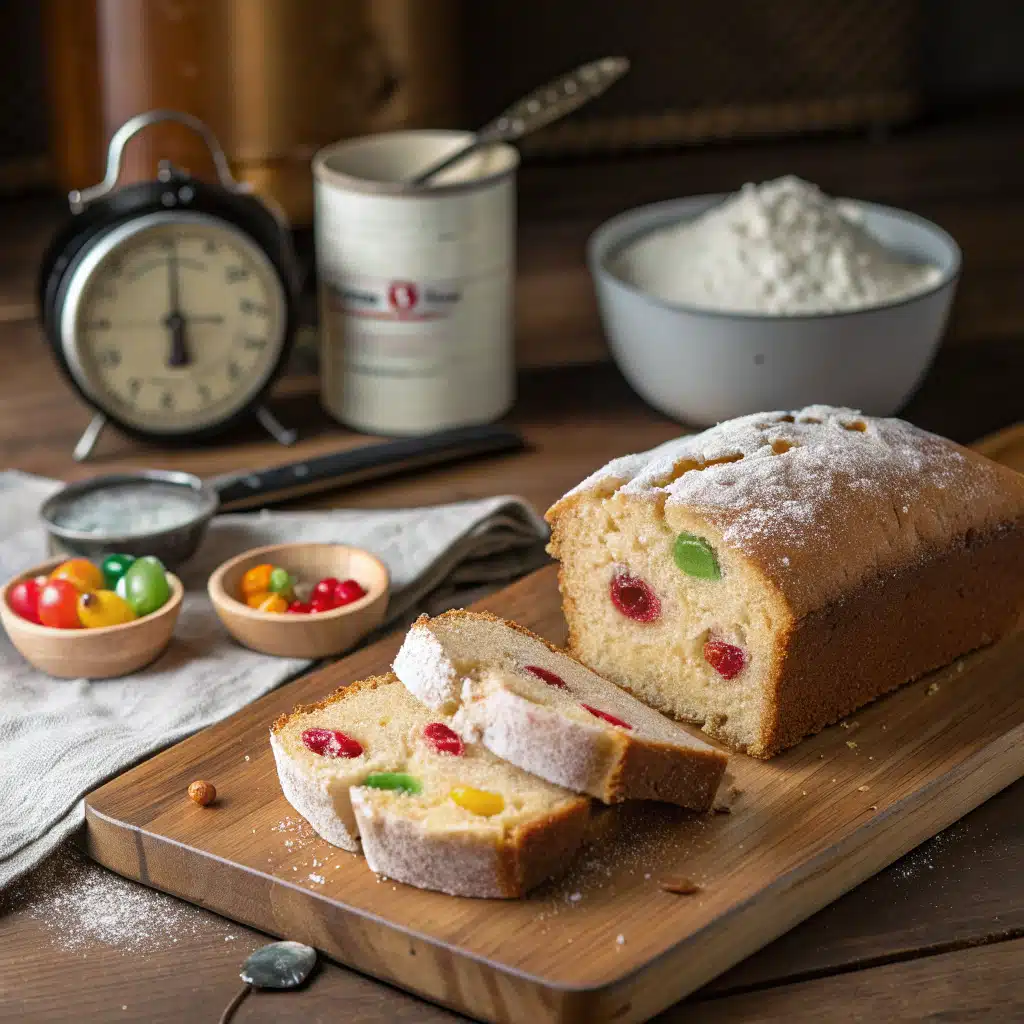
Why Is My Bread Gummy or Wet Inside? Causes & Fixes
Baking a beautiful loaf of bread—golden crust, satisfying aroma—only to slice into it and find a dense, sticky, or wet interior is one of the most disheartening experiences for a home baker. This undesirable texture, often described as “gummy,” “doughy,” or “underbaked,” is a common hurdle, but it is entirely solvable. Understanding why this happens involves diving deep into the science of baking, particularly the relationship between water, heat, and starch.
This comprehensive guide will break down the primary culprits behind a gummy crumb and provide practical, expert-level fixes so you can achieve the light, airy, and perfectly cooked interior you’re aiming for every time.
Understanding the Core Concept: Starch Gelatinization
The key to understanding a gummy crumb lies in starch gelatinization and moisture evaporation. Flour primarily consists of starch granules and protein (gluten). When liquid is added, the starch begins to absorb water. As the dough bakes and the internal temperature rises, the starch granules swell dramatically, absorbing the surrounding moisture. This process, called gelatinization, is what sets the crumb structure.
For a bread to be light and fully cooked, two things must happen:
1. The internal temperature must reach 200–210°F (93–99°C) to fully set the starch and kill the yeast.
2. Sufficient moisture must evaporate from the loaf during the final minutes of baking and cooling.
A gummy texture occurs when the starch has gelatinized but hasn’t fully dried out or set properly, trapping excess moisture and creating a sticky, dense interior.
Key Factors and Principles Causing Gumminess

Several factors, often working in combination, contribute to a wet or gummy crumb. Identifying which principle is failing in your process is the first step toward a fix.
Hydration Level (Too Much Water)
The most immediate cause is often excessive hydration. High-hydration doughs (those with a high ratio of water to flour) are notoriously difficult to fully bake out. If the water content is too high for your oven or baking time, the interior may not reach the temperature needed to evaporate the excess moisture, resulting in a wet center.
Insufficient Baking Time and Temperature
This is the second most common culprit. Many home bakers pull the loaf out when the crust looks perfect, but the internal temperature hasn’t been maintained long enough. The crust browns quickly, acting as an insulating layer, but the interior needs time—often 5 to 15 minutes longer than you think—to fully dry out.
Improper Cooling
This is perhaps the most overlooked factor. Bread continues to cook and dry out significantly after it leaves the oven. If you slice a loaf while it is still warm, the steam trapped inside immediately condenses when exposed to cooler air, turning the crumb wet and sticky. This is why slicing warm bread often yields a gummy texture, even if the loaf was technically baked properly.
Image Prompt 1: A realistic photo of a freshly baked, sliced loaf of white bread revealing a dense, shiny, and sticky cross-section, contrasting sharply with a dry, airy, perfectly baked slice placed next to it. Natural kitchen lighting.
Weak Gluten Structure
If the gluten network isn’t developed enough (due to insufficient kneading or mixing), the loaf won’t have the structure needed to hold the gases properly. This leads to a dense structure that traps moisture rather than allowing it to escape, contributing to gumminess.
Under-Fermentation (Under-Proofing)
While over-proofing can lead to collapse, under-proofing can also contribute to density. Dough that hasn’t fermented long enough remains tight and lacks the open cell structure necessary for efficient heat transfer and moisture evaporation during baking.
Practical Methods and Techniques for Fixing Gummy Bread
To banish the gummy crumb forever, focus on these actionable steps throughout your baking process:
1. Adjust Your Hydration
If you are consistently struggling with gumminess, reduce your dough hydration by 3% to 5%. For example, if your recipe calls for 75% hydration, try 70% or 72%. This small change dramatically improves the chances of fully baking the interior, especially in enriched doughs or sandwich loaves.
2. Master the Bake Time and Temperature
Do not rely solely on visual cues. Invest in a reliable instant-read thermometer.
* **Target Temperature:** The internal temperature of fully baked lean bread (like sourdough or baguettes) should be 208–210°F (98–99°C). Enriched bread (milk or eggs) can be slightly lower, around 200°F (93°C).
* **Extended Baking:** If your crust is browning too fast, reduce the oven temperature by 25°F (15°C) for the last 10–15 minutes of baking. If using a Dutch oven, remove the lid for the final 15–20 minutes to allow moisture to escape.
3. The Crucial Cooling Phase
This step is non-negotiable.
* **Cooling Time:** Allow the loaf to cool completely on a wire rack for a minimum of 90 minutes for smaller loaves, and 2 to 4 hours for large boules or sourdough loaves.
* **Wire Rack Importance:** Cooling on a wire rack allows air to circulate underneath the loaf, preventing steam from condensing on the bottom crust and re-entering the bread.
Image Prompt 2: A realistic overhead photo of a large, crusty sourdough boule cooling perfectly centered on a metal wire rack in a well-lit kitchen setting, emphasizing the steam escaping gently.
Common Mistakes and How to Avoid Them
Avoiding these common errors will significantly improve your bread texture.
Mistake 1: Relying on Knocking for Doneness
Many recipes suggest knocking on the bottom of the loaf—if it sounds hollow, it’s done. While helpful, this method is unreliable, especially for high-hydration or enriched breads.
**Fix:** Always use a thermometer to confirm doneness.
Mistake 2: Insufficient Mixing or Kneading
A sticky, weak dough often collapses during the bake.
**Fix:** Ensure proper gluten development. For traditional kneading, the dough should pass the “windowpane test” (stretching thin without tearing). For no-knead methods, ensure adequate folding sessions to build strength.
Mistake 3: Overly Humid Baking Environment
If you use a lot of steam during the initial bake (which is good for the crust), ensure you reduce the humidity late in the bake.
**Fix:** Remove any water pans or open the oven door quickly for 30 seconds halfway through the bake to vent excess steam, then continue baking.
Tips, Best Practices, and Variations

For consistent results, integrate these best practices into your routine:
Using Malt Powder or Diastatic Malt
Adding a small amount (around 0.5% of the flour weight) of diastatic malt powder can help, especially if you are using unbleached, non-malted flour. Malt contains enzymes that break down starch into sugars, which facilitates better crust browning and more efficient starch conversion during baking, leading to a lighter crumb.
The Final Check: Weight Loss
For experienced bakers seeking perfection, you can weigh your dough before and after baking. A fully baked loaf should lose approximately 10–15% of its pre-baked weight due to moisture evaporation. If your loaf is consistently gummy, track its weight loss—if it’s less than 10%, you need to bake it longer.
Adjusting for Whole Grains
Whole grain flours (like whole wheat or rye) absorb significantly more water than white flour due to the bran content. They also inhibit gluten development. When using whole grains, slightly reduce overall hydration compared to a white flour recipe, and allow for a longer, slower bake to ensure the dense interior cooks through.
Image Prompt 3: A close-up, educational shot of a baker gently inserting a digital instant-read thermometer into the side of a golden-brown artisan loaf still in the oven, emphasizing the temperature reading display.
FAQ: Quick Answers to Gummy Bread Questions
Q: Can I fix a gummy loaf after it has cooled?
A: Unfortunately, no. Once the starch has set in a dense, moist state, you cannot reverse it. However, you can slice the loaf and toast the pieces to dry them out, making them edible.
Q: Does using a Dutch oven cause gumminess?
A: A Dutch oven traps steam, which is excellent for crust development. However, if you leave the lid on too long, the loaf cannot dry out. Ensure you remove the lid for the final 15–20 minutes of baking to allow moisture to escape and the internal temperature to rise fully.
Q: How does altitude affect gumminess?
A: At high altitudes, water boils at a lower temperature, meaning the starch gelatinization process occurs differently. This often requires reducing the liquid slightly and increasing the oven temperature slightly to compensate for faster evaporation and ensure the interior reaches the correct setting temperature.
Conclusion
A gummy bread crumb is a sign that the delicate balance between hydration, heat, and time was disrupted. By focusing on accurate internal temperature checks (208–210°F), ensuring sufficient time for moisture evaporation in the final stages of the bake, and strictly adhering to the proper cooling period on a wire rack, you can consistently achieve the light, airy texture that characterizes truly great homemade bread. Apply these principles, and your days of disappointing, sticky slices will be over.