
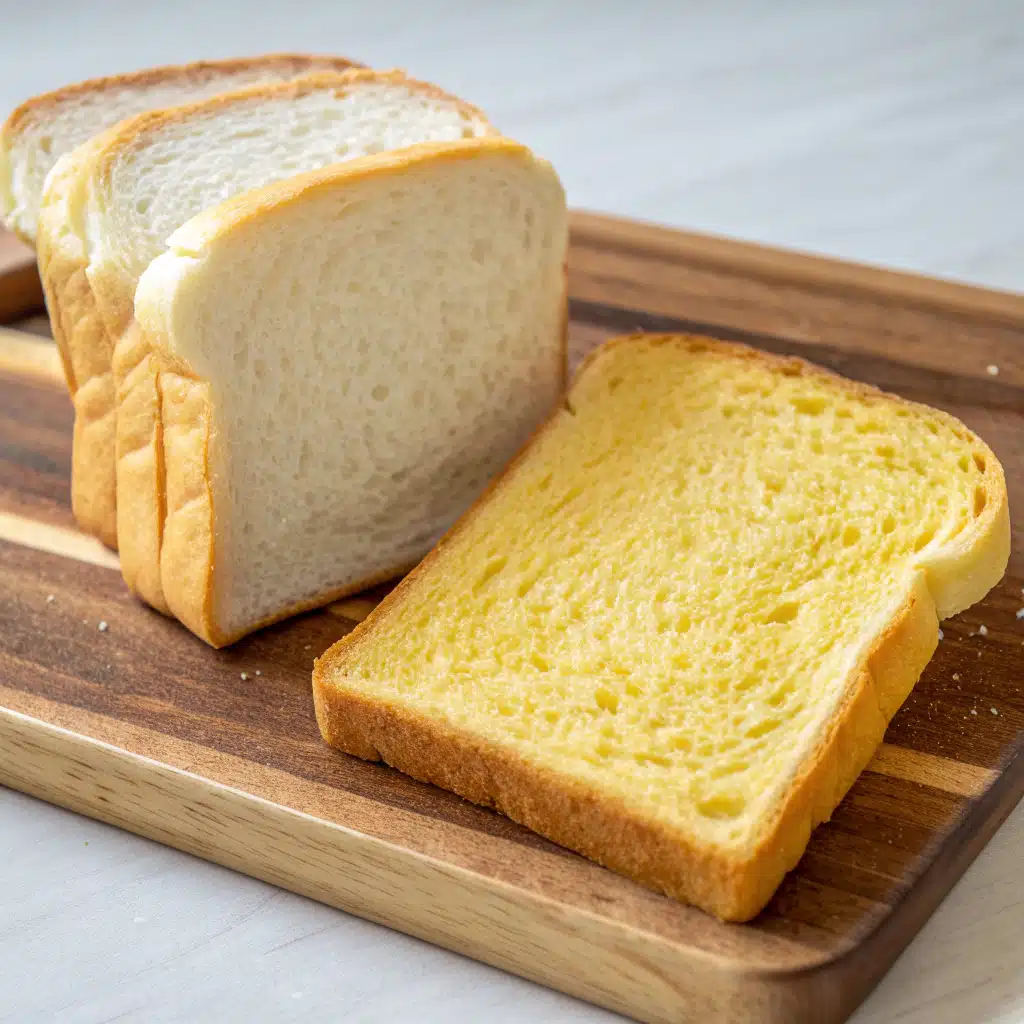
Why Is My Bread Pale Instead of Golden?
Achieving that perfect, deep golden-brown crust—the kind that promises a satisfying crunch and complex flavor—is the hallmark of successful bread baking. When you pull a loaf from the oven only to find it stubbornly pale, dull, or grayish-yellow, it’s not just an aesthetic disappointment; it’s a sign that crucial chemical reactions haven’t fully occurred.
A pale crust indicates a lack of flavor development, often resulting in bread that tastes flat or starchy. This article delves deep into the science behind crust coloration, exploring the exact factors—from oven mechanics to flour chemistry—that determine whether your loaf emerges beautifully bronzed or sadly lackluster. Understanding these principles is the key to transforming your baking results from merely edible to truly exceptional.
Understanding the Chemistry of Crust Color
The beautiful golden-brown color and the complex, toasty flavor associated with a well-baked crust are the result of two primary chemical processes: the Maillard reaction and caramelization. You cannot achieve a golden crust without both.
The Maillard Reaction: Flavor and Foundation
The Maillard reaction is arguably the most important flavor-creating process in baking. It occurs when amino acids (from proteins, like gluten) react with reducing sugars (simple sugars like glucose and fructose) under heat. This reaction starts at relatively low temperatures (around 280°F or 140°C) and produces hundreds of different flavor compounds and the initial browning pigments. If your bread is slightly pale, it usually means the Maillard reaction was stunted.
Caramelization: The Deep Brown Finish
Caramelization is the breakdown of sugars when heated above 320°F (160°C). Unlike the Maillard reaction, it doesn’t require proteins. It creates the deeper, reddish-brown hues and the characteristic subtle sweetness of a well-baked crust. For bread to achieve a rich, deep golden color, the oven temperature must be high enough and sustained long enough to trigger both these reactions simultaneously.
The Role of Residual Sugars
For both reactions to occur, there must be readily available sugars on the surface of the dough when it enters the oven. These sugars come from two sources:
1. **Added Ingredients:** Sugar, honey, malt, or milk (lactose).
2. **Enzymatic Activity:** During fermentation, enzymes (amylase) naturally present in the flour break down complex starches into simpler, fermentable sugars that the yeast can consume.
If the yeast consumes *all* the available sugar during a prolonged fermentation, there will be nothing left for the Maillard reaction, resulting in a pale crust, regardless of how hot the oven is.
Key Factors Causing Pale Crusts

When troubleshooting a pale loaf, the answer almost always lies in a deficiency across one of these four critical areas: heat, sugar, time, or moisture control.
Inaccurate Oven Temperature
The single most common culprit for paleness is an oven that lies. Most home ovens are notoriously inaccurate, often running 25°F to 50°F cooler than the dial indicates. If your oven is set to 400°F (200°C) but is only reaching 360°F (182°C), you are failing to hit the minimum temperature thresholds required for strong Maillard reactions and effective caramelization.
**Solution:** Always use an independent oven thermometer placed near your bread. Preheat your oven for at least 30 minutes to ensure the internal temperature has stabilized and the thermal mass (baking stone or steel) is fully saturated with heat.
Insufficient Residual Sugar
As discussed, yeast consumes sugar. If you are baking artisan loaves with long, cold proofs (often 12–24 hours), the yeast may deplete the supply of simple sugars, leaving the surface starch-heavy but sugar-poor. This is especially true when using low-protein, low-enzyme flours.
**Solution:** If using a long fermentation, consider adding a small amount of sugar (1–2% of the total flour weight), honey, or diastatic malt powder to the dough formulation. These ingredients provide extra fuel for both the yeast and the browning reactions.
Excessive Steam or Humidity
While steam is essential during the first 10–15 minutes of baking (the “oven spring” phase) to keep the crust soft and pliable, allowing the loaf to expand, too much steam sustained for too long will inhibit browning. Moist air transfers heat less efficiently than dry air, cooling the surface of the dough and preventing the temperature from rising high enough to trigger the deeper browning reactions.
**Solution:** Ensure you vent your oven after the first 15–20 minutes of baking. If you use a pan of water for steam, remove it entirely. If using a Dutch oven, remove the lid at the designated time to allow the moisture to escape and the crust to dry out and brown.
Image Prompt 1: A photorealistic, high-angle shot of two identical small round loaves (boules) cooling on a rack. The loaf on the left is a dull, pale yellow-white, while the loaf on the right is a rich, deep golden-brown with a visible sheen, illustrating the success of proper technique.
Improper Baking Time and Placement
Many home bakers remove the bread based on color, not internal temperature. If you reduce the baking time because the crust appears to be browning too quickly (often due to high sugar content or a wash), the internal crumb may remain undercooked, resulting in a dense, gummy texture. Conversely, if the crust is pale, you likely haven’t baked it long enough.
Furthermore, oven placement matters. If your loaf is sitting on the lowest rack, it may be receiving less radiant heat from the top element, leading to uneven or pale coloration on the crown.
**Solution:** Always place bread on the middle or upper-middle rack for even heat distribution. Use an instant-read thermometer to confirm doneness (most lean bread is done between 200°F and 210°F / 93°C and 99°C). If the color is pale but the internal temperature is correct, you may need to increase the oven temperature for the final 5–10 minutes.
Practical Methods to Achieve a Golden Crust
Achieving consistent, beautiful color is often about controlling the surface environment of the dough before it enters the oven.
The Power of Glazes and Washes
Applying a wash to the surface of the dough before baking is the easiest and most direct way to ensure a golden crust, especially helpful for enriched doughs (like brioche or sandwich bread). Washes work by providing concentrated sugar and/or protein directly to the surface, guaranteeing a robust Maillard reaction.
* **Egg Wash (Whole Egg + Water/Milk):** Provides protein and fat for a deep, shiny brown crust. Ideal for dinner rolls and enriched loaves.
* **Milk Wash (Milk or Cream):** Lactose (milk sugar) does not get consumed by yeast, making it highly effective for browning. It results in a soft, medium-brown crust.
* **Water Mist:** For artisan lean bread, misting with water just before loading the oven helps dissolve surface starches, creating a thin, glossy layer that browns nicely once the steam is vented.
* **Sugar Water/Syrup:** A light brushing of simple syrup or honey water provides maximum surface sugar for the deepest caramelization, often used for sweet breads.
Controlling Fermentation for Optimal Residual Sugar
If you bake rustic, lean loaves (just flour, water, salt, and yeast/starter), you must manage fermentation carefully to ensure residual sugars remain.
* **Shorten the Final Proof:** If you are finding your bread pale, try shortening the final proof (the time the shaped dough rests before baking) by 15–20 minutes. This leaves more sugar available for the browning reaction.
* **Use Colder Proofing:** A longer, colder bulk fermentation (first rise) often improves flavor, but the final proof should be monitored closely. If the dough has already doubled in size during the bulk, the final proof may be very short.
Image Prompt 2: A slightly over-proofed loaf of dough resting in a proofing basket (banneton), looking slightly deflated and slack, with a label indicating “Over-Fermented Dough,” emphasizing the lack of structure and sugar depletion.
Common Mistakes and How to Avoid Them
Even experienced bakers can overlook subtle issues that lead to poor crust color.
Mistake 1: Relying Solely on Visual Cues
Many beginners assume that pale bread simply needs more time. While often true, simply extending the bake time without adjusting the temperature or venting steam can dry out the loaf without achieving the desired color.
**Correction:** If your bread is pale 10 minutes before the expected finish time, increase the oven temperature by 25°F (15°C) for the last few minutes, or move the loaf to a higher rack. Never bake based only on color; always verify the internal temperature.
Mistake 2: Using the Convection Setting Incorrectly
Convection fans circulate hot air, which can accelerate browning. However, if you use the convection setting for the entire bake, the surface may brown too quickly, creating a hard crust that prevents the loaf from expanding fully (limiting oven spring) and leaving the interior undercooked.
**Correction:** If your oven has a convection setting, use it only for the last 10–15 minutes of the bake, after the bread has fully sprung and the steam has been vented. This helps achieve a deep, even color without compromising the crumb.
Mistake 3: Insufficient Preheating Time
Placing dough in a cold or moderately warm oven—even if it eventually reaches the target temperature—is a recipe for a pale crust. The dough needs immediate, intense heat to set the structure and quickly trigger the Maillard reaction on the surface before the internal moisture evaporates.
**Correction:** Always preheat for a minimum of 30 minutes, especially if using a heavy baking stone or steel. The goal is not just to reach the air temperature but to saturate the baking surface with radiant heat.
Tips and Best Practices for Deep, Rich Color

For those looking to move beyond simple golden-brown to deep mahogany and complex flavor profiles, these advanced tips can help.
Incorporating Diastatic Malt Powder
Diastatic malt powder is a baker’s secret weapon for crust color and flavor. It is malted grain (usually barley) that contains active enzymes (amylase). When added in small amounts (0.5% to 1% of flour weight), it significantly boosts the conversion of starch into simple sugars during fermentation, ensuring a consistent supply of reducing sugars for the Maillard reaction. *Note: Non-diastatic malt powder adds flavor but lacks the active enzymes needed for color.*
Using Dairy for Superior Browning
The lactose in dairy products (milk, yogurt, buttermilk, dry milk powder) is a non-fermentable sugar. Since yeast cannot consume lactose, it remains in the dough and concentrates on the surface during baking, guaranteeing an intense Maillard reaction and a beautiful, soft, golden crust, particularly effective in sandwich loaves and enriched doughs.
The Final Temperature Blast
For professional results, many bakers employ a technique where they start the bake at a very high temperature (e.g., 475°F / 245°C) for the first 10 minutes to maximize oven spring and color initiation, then drop the temperature to a standard 425°F (220°C) for the remaining time. This initial temperature shock ensures rapid crust development.
Image Prompt 3: A close-up, realistic photo of a digital oven thermometer hanging inside a hot, slightly steamy oven, clearly displaying a temperature reading of 450°F, emphasizing the necessity of accurate temperature measurement.
Frequently Asked Questions (FAQ)
Does using whole wheat flour help with browning?
Yes, generally. Whole wheat flour contains more proteins and minerals than white flour, which can accelerate the Maillard reaction. However, the added fiber may absorb moisture, sometimes leading to a less glossy finish unless proper hydration is maintained.
Can I fix a pale crust after the bread is cooled?
Once the bread is fully cooled, it is difficult to fix the color without drying out the crumb. However, if the bread is still warm and only slightly pale, you can try returning it to a 400°F (200°C) oven for 5–10 minutes, focusing on the last few minutes with the oven door slightly ajar to vent moisture.
Why do my bread bottoms burn while the tops stay pale?
This indicates that too much heat is being delivered from the bottom element, often due to placing the bread directly on a thin metal tray, or placing a baking stone too close to the bottom element. To fix this, move your rack higher, or slide an empty, inverted sheet pan onto the rack beneath your baking stone to act as a heat shield during the second half of the bake.
Conclusion
A pale crust is a clear signal that your baking environment—specifically heat, time, and sugar availability—was out of balance. By mastering the fundamentals of the Maillard reaction and caramelization, employing an accurate oven thermometer, monitoring your fermentation times, and utilizing appropriate surface washes, you can control the outcome. Don’t settle for pale; apply these practical adjustments to ensure every loaf you bake achieves that rich, deeply flavored, golden crust that signifies true baking success.