
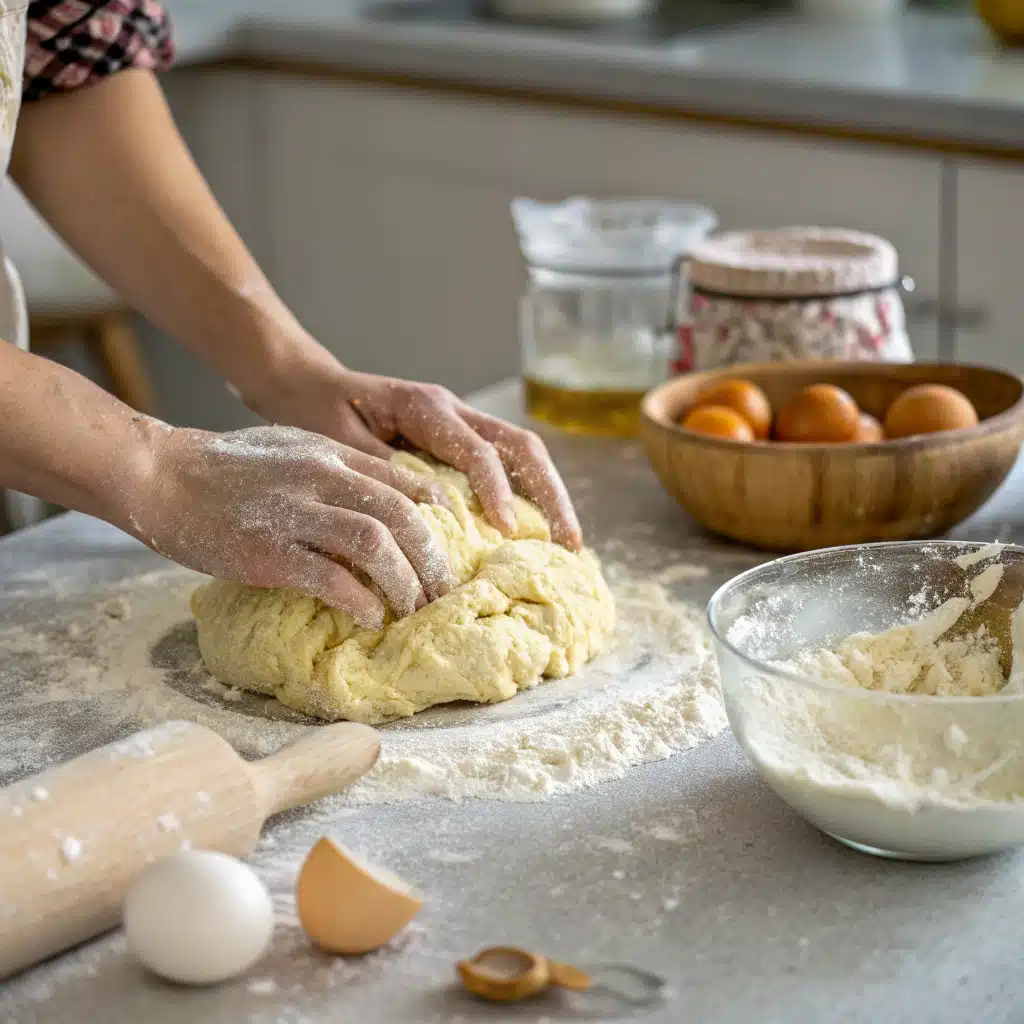
Why Is My Dough Too Sticky? Causes and Solutions
Bread baking is a deeply satisfying craft, but few things are more frustrating than wrestling with a batch of dough that refuses to cooperate. If your dough feels less like a smooth, elastic ball and more like wet cement clinging stubbornly to your hands and counter, you’ve encountered one of the most common challenges for home bakers: excessive stickiness. This issue doesn’t just make kneading messy; it actively hinders proper gluten development and can ruin the final texture of your loaf. Understanding why your dough is sticky is the first step toward mastering the perfect consistency, ensuring a successful bake every time.
Understanding the Core Concept: Hydration vs. Stickiness
In baking, the stickiness of the dough is directly related to its hydration level and the state of the gluten network. Hydration refers to the ratio of water (or other liquids) to flour by weight. A high hydration dough (like ciabatta, often 75% or higher) will naturally be stickier than a low hydration dough (like bagels, often 55%). However, stickiness becomes a problem when it prevents you from handling or shaping the dough, regardless of the intended hydration level. This usually signals an imbalance—either too much liquid, or insufficient time for the flour to absorb the liquid and the gluten structure to form.
The Role of Water Absorption and Gluten
Flour takes time to hydrate fully. When you first mix the ingredients, the flour particles rapidly absorb water, but the proteins (glutenin and gliadin) need time and mechanical action (kneading or folding) to link up and form the elastic, cohesive gluten network. If the dough is sticky immediately after mixing, it might just need a short rest (autolyse) to allow the flour to absorb the remaining surface water. If it remains sticky after kneading, the gluten structure is likely too weak to manage the amount of water present.
Image Prompt 1: A realistic close-up photo showing a baker’s hands lightly dusted with flour, gently scraping a very wet, sticky bread dough off a wooden cutting board using a metal bench scraper. Natural light, clean kitchen environment.
Key Factors Causing Excessive Stickiness

Several factors, often working in combination, contribute to overly sticky dough. Identifying the root cause is crucial for applying the correct fix.
1. Excessive Hydration (Too Much Water)
This is the most frequent culprit. Even a small error in measurement—a few extra grams of water—can drastically change a dough’s texture, especially when working with smaller batches. Different flours also absorb water differently; a high-protein bread flour absorbs more liquid than an all-purpose flour. If you follow a recipe exactly but switch flour types, the resulting dough might be too wet.
2. Insufficient Gluten Development
If the dough hasn’t been kneaded or folded enough, the gluten network hasn’t fully formed. A weak gluten structure cannot hold the water effectively, causing the dough to feel slack, wet, and sticky, even if the hydration is technically correct. The dough needs structure to manage the water content.
3. Temperature and Humidity
A very warm kitchen or high humidity can increase the apparent stickiness of dough. High temperatures accelerate fermentation, sometimes leading to an overly slack, sticky dough if fermentation is not managed properly. Furthermore, sticky dough is harder to manage when your hands and the work surface are warm and moist.
4. Flour Type and Integrity
Using the wrong type of flour, particularly low-protein flours (like cake flour), results in a weaker gluten structure that cannot support high hydration. Additionally, old flour that has lost some of its starch integrity may not absorb water as efficiently as fresh flour.
Practical Methods and Techniques for Sticky Dough
If you find yourself facing an overly sticky dough, do not panic. There are several professional techniques to bring it back into balance without compromising the final loaf.
The Flour-Adding Fix (The Last Resort)
If you are certain the dough is over-hydrated, you can add a small amount of flour (a teaspoon at a time) during the final stages of kneading. Incorporate it fully before adding more. This should be done judiciously, as adding too much flour late in the process can lead to a dry, dense crumb.
The Rest and Autolyse Solution
If the stickiness occurs right after mixing, cover the dough and let it rest for 20 to 30 minutes (this is a modified autolyse). This allows the flour full time to absorb all the liquid. Often, after this rest, the dough will be significantly less sticky and much easier to handle.
The Wet Hand Technique
For naturally high-hydration doughs (like sourdough or focaccia), avoid using dry flour on your hands. Instead, wet your hands slightly before folding or shaping. The water creates a temporary barrier that prevents the dough from adhering to your skin, allowing you to manipulate it cleanly without incorporating extra flour.
Image Prompt 2: A realistic overhead photo of a baker performing a “stretch and fold” technique on a slightly sticky dough inside a clear glass bowl. The dough shows good elasticity and structure. The baker’s hands are visible, slightly damp.
Common Mistakes and How to Avoid Them
Beginner bakers often make simple errors that lead directly to sticky dough. Avoiding these pitfalls is key to consistent success.
Mistake 1: Relying on Volume Measurements for Liquids
Measuring flour and water by volume (cups) is inherently inaccurate because flour compacts differently depending on how it’s scooped.
* Solution: Always use a digital kitchen scale to weigh your ingredients. This ensures the hydration ratio is exactly what the recipe intended.
Mistake 2: Over-Flouring the Work Surface
When dough is sticky, the natural instinct is to dust the counter heavily with flour. While some dusting is necessary, excessive flouring results in a dry outer layer on the dough, which inhibits the gluten development on the surface and prevents proper sealing during shaping. This added flour also often remains unincorporated, leading to streaks of dry flour in the final crumb.
* Solution: Use a minimal amount of flour on the counter, or try using a light coating of neutral oil instead for very sticky doughs. A bench scraper is your best tool for managing sticky dough, allowing you to lift and turn it without excessive flour.
Mistake 3: Impatience During Kneading
Stopping the kneading process too early leaves the gluten underdeveloped, resulting in a sticky, slack dough.
* Solution: Knead until the dough passes the “windowpane test” (stretching a small piece thin enough to see light through it without tearing) or until it feels smooth, elastic, and pulls cleanly away from the sides of the mixing bowl (if using a mixer).
Tips, Best Practices, and Variations

Managing stickiness is often about technique, not just ingredients.
Master the Bench Scraper
For wet doughs, the bench scraper is indispensable. Use it to quickly gather the dough, scrape it off the counter, and perform folds. Working quickly and decisively with the scraper minimizes the time the dough sticks to the surface.
Cold Fermentation for Better Handling
If your dough is high hydration and difficult to shape, try an overnight cold fermentation in the refrigerator. The cold temperature stiffens the fats and slows down yeast activity, making the dough much firmer, less sticky, and significantly easier to handle and shape the next day.
High-Protein Flour Adjustment
If you regularly bake high-hydration recipes, consider using high-protein bread flour (12.5% protein or higher). The increased protein content allows the flour to absorb and manage more water without becoming overly sticky.
Image Prompt 3: A realistic close-up photo of a baker using a sturdy metal bench scraper to cleanly lift and fold a portion of high-hydration sourdough dough from a lightly oiled stainless steel countertop. Focus is sharp on the action.
FAQ
Why is my sourdough starter dough always stickier than regular bread dough?
Sourdough recipes often utilize higher hydration levels (70% to 85%) to achieve the characteristic open, airy crumb. Furthermore, the enzymatic activity during the long, slow fermentation of sourdough can sometimes break down the gluten slightly, leading to a slacker, stickier feel. This is normal; use wet hands and a bench scraper to manage it.
Can I fix sticky dough by just adding more water?
No. If your dough is too sticky, adding more water will only exacerbate the problem. You need to either add a small amount of flour to reduce the hydration or knead/rest the dough to develop the gluten structure so it can better handle the existing water.
Does the temperature of the water affect stickiness?
While water temperature doesn’t change the total hydration, using very cold water can slow down the initial absorption and gluten development, making the dough feel stiffer initially. Very warm water speeds up fermentation, which can lead to a slack, sticky dough if the gluten structure hasn’t kept pace.
Conclusion
Sticky dough is not a sign of failure, but a common hurdle that every baker encounters. By understanding the critical relationship between hydration, flour type, and gluten development, you gain control over your dough. The key is to weigh your ingredients precisely, be patient during the rest and kneading phases, and use proper techniques like the bench scraper and wet hands for high-hydration doughs. Embrace the stickiness as a sign that your dough is alive and full of potential, and apply these solutions to achieve the perfect, manageable consistency for your next exceptional loaf.