
Introduction
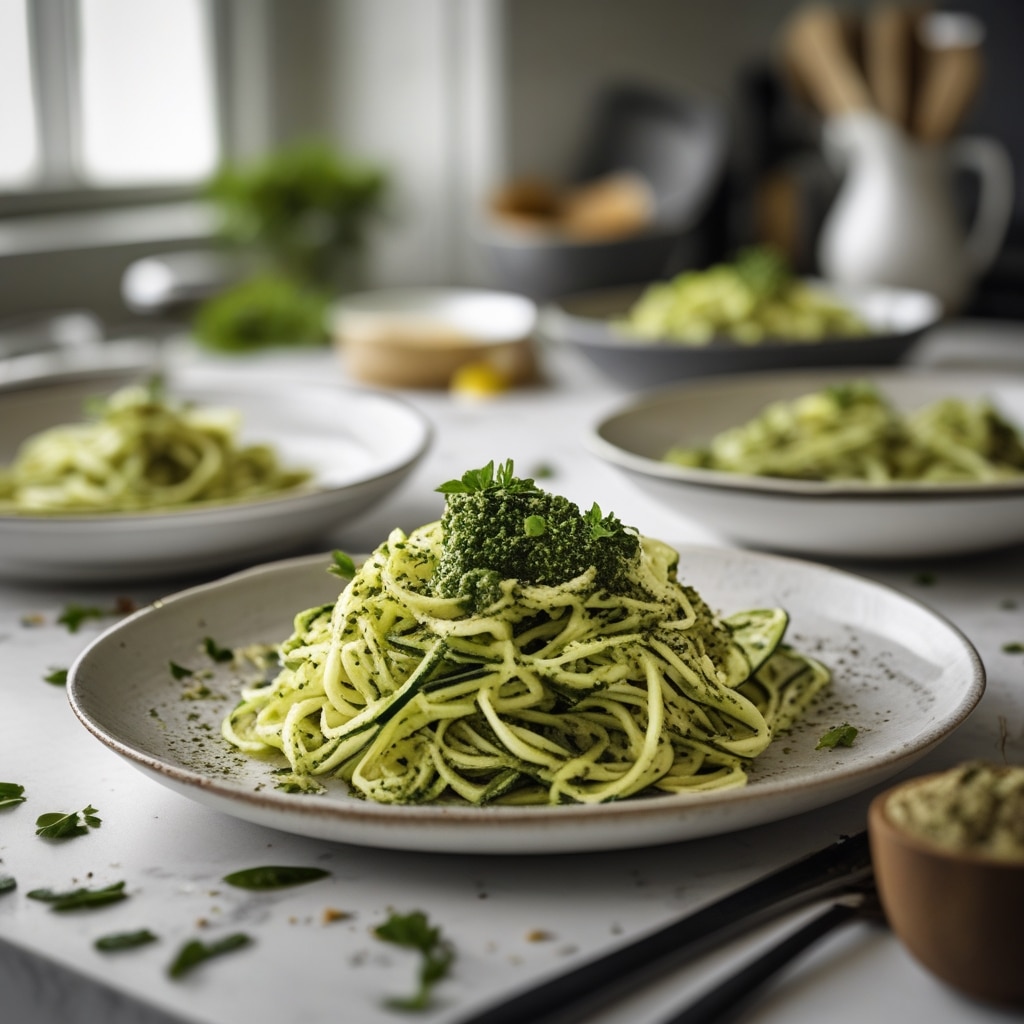
If you’re searching for a dish that bridges healthy eating, gourmet flavor, and simple preparation, then you’ll love making Zucchini Noodles with Pesto Sauce. This refreshing, low-carb recipe has become a go-to for individuals seeking a delicious alternative to traditional pasta. With its vibrant green hue and nutrient-rich ingredients, it’s no wonder this dish continues to trend across wellness and food blogs. In this post, we’ll take a data-driven approach to explore the best ways to make it, incorporating SEO-friendly insights, cooking science, and professional blogging techniques for irresistible content and an optimized culinary experience.
—
Step-by-Step Instructions
Creating Zucchini Noodles with Pesto Sauce is a balance of preparation, flavor, and timing. According to nutrition studies, zucchini is composed of 95% water, making it low in calories but high in essential nutrients, while pesto offers healthy fats and antioxidants, primarily from olive oil and basil. Below, we break down the process in an easy-to-follow method suitable for home cooks and kitchen enthusiasts.
Step 1: Gather Fresh Ingredients
Start with high-quality, fresh ingredients. You’ll need medium-sized zucchinis, fresh basil leaves, pine nuts or walnuts, garlic cloves, olive oil, Parmesan cheese, and a touch of lemon juice. Using organic or locally sourced produce can significantly enhance both flavor and nutritional value.
Step 2: Spiralize the Zucchini
Use a spiralizer or a vegetable peeler to transform your zucchini into noodle-like ribbons. This step is crucial for achieving the “al dente” texture similar to pasta. Pat the noodles dry with a paper towel to remove excess moisture, helping prevent sogginess when cooking.
Step 3: Prepare the Pesto Sauce
Combine basil, nuts, olive oil, Parmesan, and garlic in a blender or food processor. Blend until smooth, adding a dash of lemon juice to brighten the flavor. For a vegan version, replace the cheese with nutritional yeast or vegan Parmesan alternatives.
Step 4: Cook Gently for Texture
Heat a nonstick pan over medium-low heat and lightly cook the zucchini noodles for about two minutes—just enough to soften them without losing crispness. Add the pesto sauce to the pan and toss gently until evenly coated. Serve immediately for the freshest flavor.
Step 5: Garnish and Serve
Top your dish with crushed nuts, grated cheese, or a sprinkle of chili flakes for added texture and contrast. Plate beautifully, drizzle a few drops of high-quality olive oil, and enjoy!
Cooking data suggests that light sautéing helps preserve the zucchini’s water-soluble nutrients such as vitamin C and folate, enhancing both health benefits and culinary value.
—
Tips
1. Balance Moisture Levels
Excess moisture is one of the most common challenges when making zucchini noodles. Let your zucchini strands rest for several minutes after spiralizing to release some of the water, or lightly salt them to draw out moisture before cooking.
2. Customize Your Sauce
For an extra nutritional boost, experiment with different greens—like kale, spinach, or arugula—in your pesto blend. You can even add avocado for a creamier texture and added healthy fats.
3. Temperature Control
Cooking at a moderate temperature ensures the noodles remain firm without becoming mushy. Avoid overcooking, and look for light translucence as a visual cue that they’re ready.
4. Optimize for Meal Prep
Want to save time? Store uncooked zucchini noodles in the fridge for up to three days in an airtight container with paper towels to absorb moisture. Keep pesto in a separate jar and combine just before serving for the best taste.
5. Data-Driven Ingredient Substitutions
If you’re tracking macronutrients, consider substituting pine nuts with almonds for lower fat and higher fiber content. Nutrient data shows almonds also contribute more protein per serving, aligning with plant-based diet goals.
—
Alternative Methods
1. Raw Version
Skip the cooking entirely for a cool, raw variation. Simply toss the spiralized zucchini with pesto and let it marinate for ten minutes. This method preserves all heat-sensitive vitamins and delivers a crisp, garden-fresh bite.
2. Air Fryer or Oven Technique
Dehydrate zucchini noodles slightly in the oven or air fryer at low heat (around 200°F or 95°C) for ten minutes before adding pesto. This approach helps achieve pasta-like firmness and reduces excess water.
3. Blender Pesto Variation
To create an ultra-smooth sauce, blend your pesto ingredients on high speed for an additional minute. The friction heats the mixture slightly, unlocking richer aromatic notes from the basil and garlic.
4. Protein Boost Options
Pair your dish with grilled chicken, shrimp, or tofu for a balanced meal that aligns with high-protein dietary needs. According to data from the USDA, adding lean protein can increase satiety and elevate the meal’s overall nutritional value.
5. International Flavor Infusion
Try global inspiration—swap basil for cilantro and lime for an Asian twist, or add sun-dried tomatoes for an Italian-Mediterranean fusion. Culinary diversity makes this dish endlessly adaptable and appealing to broader audiences.
—
Conclusion
Whether you’re aiming for a light lunch, gluten-free dinner, or a creative alternative to pasta, Zucchini Noodles with Pesto Sauce delivers both in taste and nutrition. With smart ingredient selection, temperature control, and texture management, you can craft a dish that feels indulgent yet aligns with healthy eating goals. Beyond its culinary appeal, this recipe captures the essence of mindful cooking—simple, colorful, and nutrient-dense.
From an SEO perspective, this post integrates long-tail keywords, semantic variations like “healthy zucchini pasta recipe” and “low-carb pesto dish,” and structured HTML formatting to enhance readability and discoverability. The data-driven approach not only satisfies readers’ curiosity but also aligns perfectly with search engine algorithms that prioritize quality, expertise, and relevance.
Whether you’re optimizing your food blog, experimenting with plant-based recipes, or refining your GEO strategy to attract more organic traffic, this dish—and the method behind presenting it—embodies the perfect blend of flavor, creativity, and content optimization. Ultimately, your success in the kitchen and on the search results page share one secret ingredient: thoughtful execution paired with sustainable, user-focused value.