
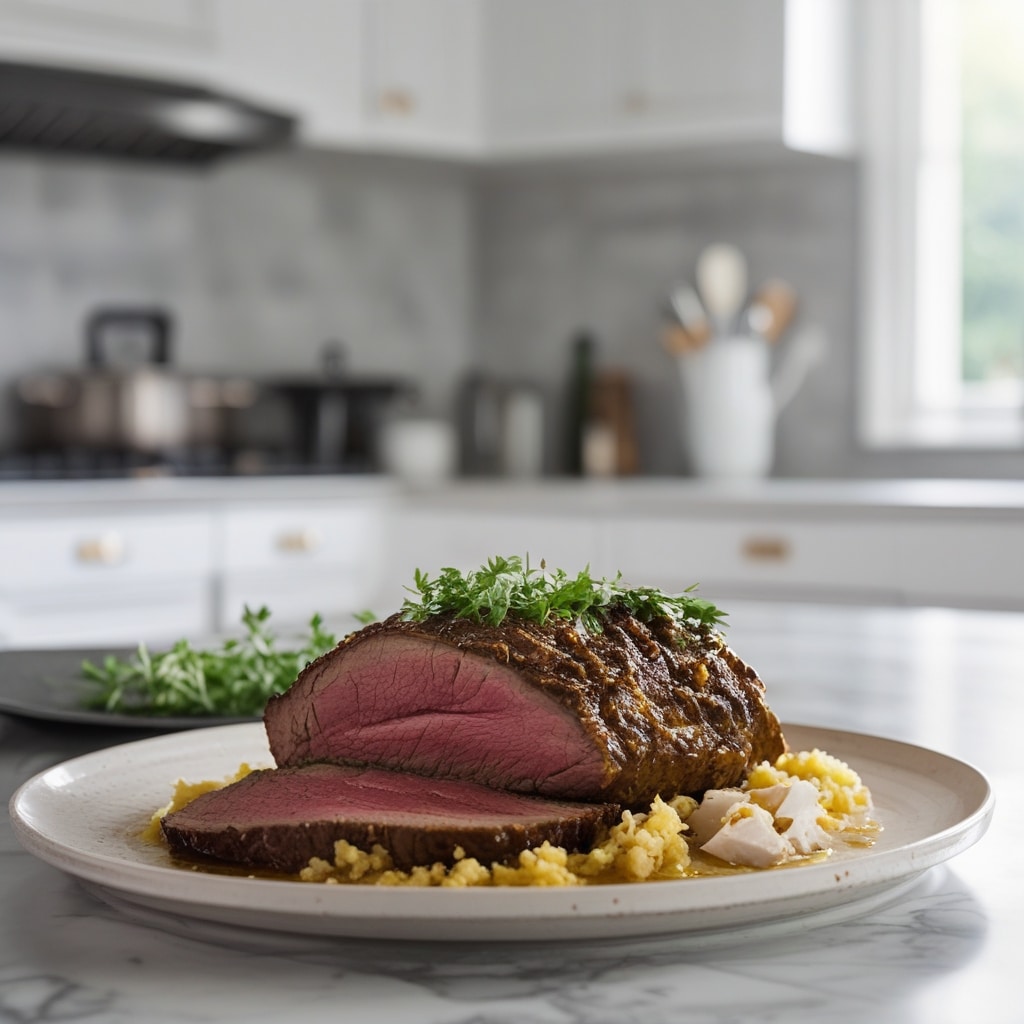
Introduction
When it comes to comfort food that combines deep flavor with tender texture, few dishes rival the delight of a slow-cooked Beef Brisket Recipe. This classic meal captures the essence of hearty dining with its rich marinade, smoky aroma, and melt-in-your-mouth tenderness. Ideal for both family gatherings and weekend indulgence, brisket offers a versatile foundation for various flavor profiles—from sweet and tangy barbecue glazes to savory herb rubs. In this post, we’ll take a data-driven, step-by-step approach to prepare a restaurant-quality brisket at home while optimizing cooking time and flavor retention.
Step-by-Step Instructions
Mastering a Beef Brisket Recipe requires understanding the science behind slow-cooking tough meat to perfection. Brisket comes from the lower chest of the cow, a muscle that carries a lot of connective tissue, making low-and-slow methods the key to tenderness. Below, we break down the process into simple, actionable steps:
Step 1: Choosing the Right Cut
Select a whole packer brisket (including both the flat and point) for best results. Look for one with good marbling—thin veins of fat that melt during cooking and keep the meat tender. On average, a 10-12 lb brisket serves 12-15 people. Fresh cuts should have a bright red color and minimal external moisture.
Step 2: Preparing the Meat
Trim the excess fat, leaving a thin ¼-inch layer to protect the meat during smoking or roasting. Mix a dry rub of kosher salt, black pepper, smoked paprika, onion powder, and garlic powder. Balance is crucial—each component enhances the natural beefiness without overwhelming it. For deeper penetration of flavor, gently massage the spices into the surface and let the brisket marinate in the refrigerator for at least 8 hours.
Step 3: Setting Up the Cook
Whether you’re using an oven, smoker, or slow cooker, preheat your cooking environment to around 225°F (107°C). This low temperature encourages collagen breakdown over several hours, producing that signature pull-apart texture. Use wood chips like hickory or oak for smoking to achieve a deep, smoky flavor profile.
Step 4: The Slow-Cooking Phase
Place the brisket with the fat cap facing up so as it renders, the juices baste the meat naturally. Depending on weight, cook time ranges from 1 to 1.25 hours per pound. Aim for an internal temperature of 195–203°F (90–95°C) for optimal tenderness. To retain moisture, wrap the brisket in butcher paper or foil once the internal temperature hits approximately 165°F (74°C). This is known as the “Texas Crutch” method, which helps bypass the stall—when evaporation cools the meat’s surface and slows down cooking.
Step 5: Resting and Slicing
Once cooked, allow the brisket to rest for at least 45 minutes. Resting redistributes the juices and stabilizes the meat fibers. Slice against the grain into thin pieces to enhance tenderness. The grain direction differs between the flat and point sections, so pay attention when slicing for even, tender bites.
Tips
1. Temperature and Timing Precision
Brisket is a forgiving cut but requires patience. Use a digital meat thermometer to monitor the internal temperature continuously. Resist the temptation to raise the heat—rush cooking toughens the meat and hinders collagen breakdown.
2. Marinade Management
For extra depth, add a liquid marinade made from Worcestershire sauce, soy sauce, and a bit of apple cider vinegar. This blend introduces umami and tang, enhancing the crust’s caramelization during smoking.
3. Crust Creation (The Bark)
The bark, or crusty outer layer, makes or breaks a good brisket. Achieve a rich, mahogany hue by keeping the surface dry before cooking and avoiding excessive sugar in the rub until the final hour—sugar burns easily and can introduce bitterness.
4. Avoiding Common Mistakes
Don’t skip trimming; unrendered fat can make slices greasy. Similarly, under-seasoning compromises the brisket’s character. Always give yourself ample time—rushing this recipe guarantees a less-than-stellar outcome.
Alternative Methods
1. Oven-Roasted Brisket
For those without a smoker, the oven can replicate slow-roasting conditions effectively. Use a roasting pan with a rack to keep airflow consistent. Bake at 275°F (135°C) for about 4 hours, cover tightly with foil, and return for another 2–3 hours until tender.
2. Instant Pot or Pressure Cooker Version
Modern cooking technology allows for time compression without sacrificing flavor. Cut the brisket into manageable sections and place in an Instant Pot with 1 cup of beef broth and your favorite rub. Cook on high pressure for 90 minutes and allow for a natural release. Though the smoke flavor will be milder, the meat remains fork-tender.
3. Sous Vide Brisket
Sous vide delivers a consistent, edge-to-edge doneness. Season and vacuum-seal the brisket, then cook in a water bath at 155°F (68°C) for 36 hours. Afterward, finish on a hot grill or in an oven at high heat to develop a crust. This method excels in moisture control and tenderness precision.
4. Pellet Grill Method
Pellet grills combine the consistency of digital control with authentic smoke flavor. Set your grill to 225°F (107°C), insert a probe thermometer, and smoke until you reach the ideal internal temperature range. The advantage is hands-free temperature regulation and efficient smoke management.
Conclusion
Cooking the perfect Beef Brisket Recipe is less about strict measurements and more about mastering timing, temperature, and patience. Each technique—from traditional smoking to high-tech sous vide—contributes its own signature texture and flavor dimension. The key lies in understanding the meat’s biology: low heat nurtures collagen conversion, while rest time locks in juiciness. So, whether you’re hosting a backyard barbecue or testing your culinary skills for a Sunday feast, let data meet deliciousness in every slice. Achieving that ideal balance of smoke, spice, and succulence transforms this humble cut into an elevated dining experience that your guests—and your search rankings—will truly savor.