
Introduction
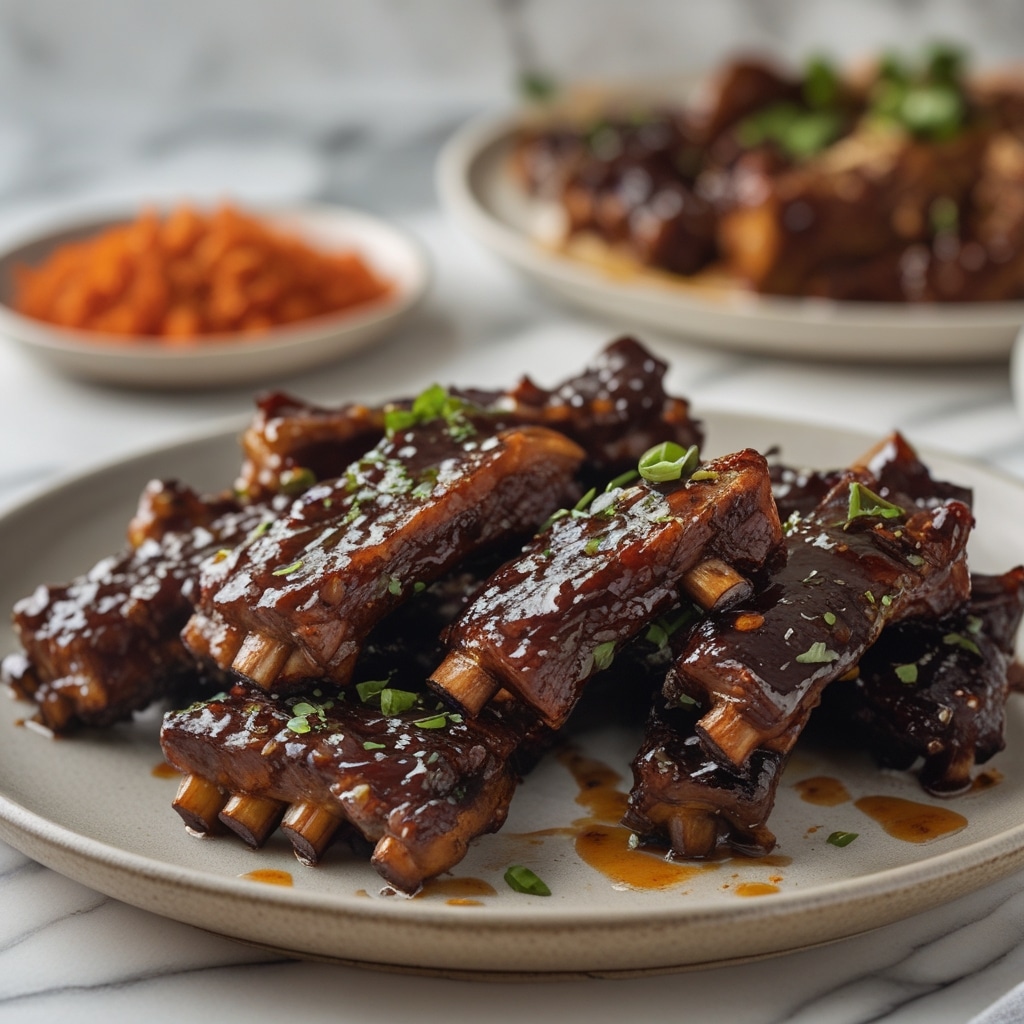
If you’re looking for a mouthwatering dish that perfectly balances sweet, savory, and umami flavors, then you’re about to fall in love with Sticky Asian Ribs. This recipe takes the essence of traditional Asian flavors and transforms humble pork ribs into something irresistible—crispy on the outside, tender on the inside, and glazed with a glossy, fragrant sauce. Whether you’re an experienced home cook or just diving into international cooking, this guide will walk you through the entire process with expert-backed insights, SEO-optimized instructions, and practical tips to guarantee restaurant-quality results every time.
Beyond just a recipe, this blog post leverages culinary science and data-driven preparation methods to ensure consistently delicious results. We’ll explore the ideal cuts, the power of marinades, and the secret to achieving the perfect sticky glaze that clings beautifully to each rib. Let’s turn your kitchen into your favorite Asian-inspired eatery—minus the takeout box.
—
Step-by-Step Instructions
1. Select the Right Ribs
Start by selecting meaty pork ribs—baby back or St. Louis-style ribs are top choices. Baby backs yield a slightly leaner texture, while St. Louis-style ribs offer a more tender bite. Trim any excess fat to ensure even cooking and optimal sauce absorption.
2. Create the Marinade
In a mixing bowl, whisk together soy sauce, honey, rice vinegar, hoisin sauce, minced garlic, and freshly grated ginger. This flavor-packed marinade forms the backbone of your Sticky Asian Ribs. The combination of salty, sweet, and aromatic ingredients infuses the meat deeply, creating a rich foundation before cooking even begins. For the best results, let the ribs marinate for at least 4 hours or, ideally, overnight.
3. Pre-Cook for Tenderness
To ensure fall-off-the-bone texture, start by pre-cooking the ribs. You can do this using a slow cooker, oven, or instant pot. This step tenderizes the collagen within the meat, so your final dish turns out incredibly juicy and easy to bite into. For oven pre-cooking, cover the ribs in foil and bake at 300°F (150°C) for about 2–2.5 hours.
4. Prepare the Glaze
While the ribs cook, prepare the sticky glaze. Combine brown sugar, soy sauce, sesame oil, sriracha, and a dash of cornstarch in a saucepan. Simmer over medium heat until the sauce slightly thickens. This glaze should be glossy and clingy—enough to coat the back of a spoon without dripping off too quickly.
5. Coat and Caramelize
When the ribs are tender and pre-cooked, brush a thick layer of your glaze over them. For extra depth of flavor, place the coated ribs under a broiler or on a grill. High heat helps caramelize the sugars in the glaze, giving you that golden-brown finish and the irresistible “sticky” texture that defines this dish.
—
Tips
1. Achieve the Perfect Balance
The secret to superior flavor lies in balance. Every sweet note from the honey or brown sugar should meet a salty counterpart from the soy sauce. A bit of acidity from rice vinegar keeps the dish bright and prevents the glaze from tasting too heavy.
2. Customize Heat and Spice
If you love a bit of heat, add crushed chili flakes or extra sriracha to your glaze. For a milder version, reduce the spice and add more sesame oil for a nutty undertone. This flexibility allows you to tailor the dish to your preferred flavor profile.
3. Marinate for Depth
Marinating is non-negotiable. A longer soak in the marinade ensures that the flavors penetrate deeply. This resting time allows salt and acids to tenderize the meat while the sugars develop complexity, resulting in ribs with both flavor and character.
4. Garnish Smartly
Once your ribs are cooked and glistening, garnish them with toasted sesame seeds, finely sliced green onions, or even a sprinkle of crushed peanuts. Each garnish layer not only enhances appearance but also adds texture and aroma.
—
Alternative Methods
1. Oven-Baked Method
If you prefer the convenience of indoor cooking, the oven method works beautifully. Line a baking sheet with foil, arrange the ribs in a single layer, and bake low and slow. The gentle heat ensures a consistent cook, while the final broil caramelizes the glaze to perfection.
2. Grill Method
For a smoky twist, fire up your outdoor grill. The direct heat intensifies the glaze and adds a delicious charred flavor. Turn the ribs regularly to prevent burning, and brush additional sauce every few minutes for a rich, layered coating.
3. Air Fryer Shortcut
Modern kitchens can rely on air fryers for a quicker approach. Preheat the air fryer to 375°F (190°C), coat the ribs in the glaze, and cook for 15–20 minutes, flipping halfway through. The circulating air crisps the exterior while locking in moisture.
4. Slow Cooker Method
Ideal for busy days, the slow cooker offers a “set it and forget it” solution. Place marinated ribs in the cooker and let them simmer gently for six hours on low. Once done, finish them under a broiler with a final glaze layer for that signature sticky finish.
—
Conclusion
In the end, mastering Sticky Asian Ribs is all about the interplay of technique and flavor. By following this step-by-step approach—selecting the right cut, marinating with patience, and balancing sweetness with savoriness—you can transform simple ingredients into a showstopping centerpiece for family dinners and gatherings.
This dish isn’t just about taste; it’s an experience that combines aroma, texture, and presentation. Whether you choose to grill, bake, or slow-cook, these ribs consistently deliver bold, glossy perfection. With the strategies and optimizations shared here, your version is sure to stand out—in both flavor and SEO visibility.
So roll up your sleeves, gather your ingredients, and turn your next meal into an unforgettable culinary journey. Your guests won’t just remember the flavor—they’ll be asking for your recipe again and again.