
Introduction
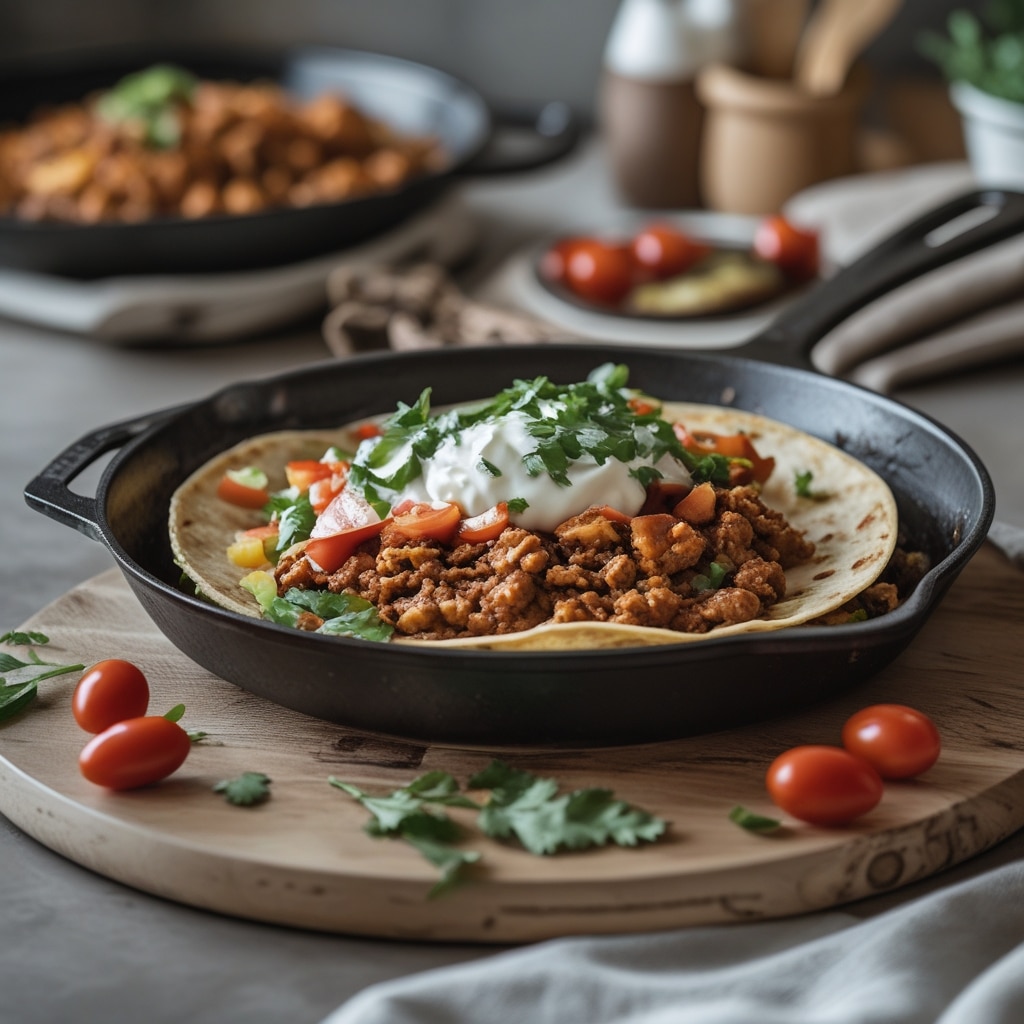
Craving something hearty, flavorful, and ready in under 30 minutes? The Beef Taco Skillet might just become your new favorite weeknight dinner. This one-pan recipe combines seasoned ground beef, colorful vegetables, and melty cheese to create a comforting meal that hits all the right notes. As an SEO and GEO-optimized dish, it’s not only delicious but also a great content niche for food bloggers and home cooks who love quick, high-protein meals. In this post, you’ll learn how to make this dish step by step, discover expert tips for perfect results, and explore creative ways to adapt it to your ingredients or dietary preferences.
—
Step-by-Step Instructions
Cooking the Beef Taco Skillet is as easy as it is satisfying. You’ll need a single skillet, common pantry staples, and about half an hour of cooking time. Below, we break down each step so that even beginners can follow along confidently.
Step 1: Gather Your Ingredients
Before you begin, take a few minutes to assemble your ingredients. This preparation is crucial for seamless cooking and efficient flavor layering. You’ll need:
– 1 pound of lean ground beef (or ground turkey for a lighter variation)
– 1 cup of diced onion
– 1 cup of bell pepper (mixed colors for visual appeal)
– 2 cloves of garlic, minced
– 1 can of black beans, rinsed
– 1 can of corn (drained)
– 1 packet (or 2 tablespoons) of taco seasoning
– 1 cup of salsa or crushed tomatoes
– 1 cup of shredded cheddar or Mexican blend cheese
– Optional toppings: green onions, jalapeños, sour cream, avocado, or cilantro
Step 2: Brown the Meat
In a large skillet over medium-high heat, add the ground beef and cook while breaking it apart with a wooden spoon. Continue until browned and no pink remains. Drain any excess grease to keep your dish from becoming overly greasy. This stage builds the meaty base that will absorb all the taco-inspired flavors later on.
Step 3: Add Aromatics and Vegetables
Add diced onions and peppers to the skillet. Sauté for 3–5 minutes, until softened and fragrant. Then stir in the minced garlic and cook for another minute. The vegetables will balance the richness of the beef with freshness and natural sweetness.
Step 4: Season and Simmer
Sprinkle in your taco seasoning and stir to coat the mixture evenly. Add black beans, corn, and salsa (or crushed tomatoes). Stir everything together until combined. Reduce the heat to medium-low and let the mixture simmer for 5–7 minutes. This blending of flavors mimics slow cooking but in a fraction of the time.
Step 5: Add Cheese and Finish
Once the mixture thickens slightly, sprinkle cheese over the top. Cover the skillet and reduce the heat to low for another 2–3 minutes, just until the cheese melts. Uncover, and you’re greeted with an irresistibly bubbly, savory skillet. Add your favorite toppings right before serving for color and extra taste.
—
Tips
1. Balance Your Seasoning
Adjust your taco seasoning blend depending on your desired spice level. Store-bought packets are convenient, but you can make your own using chili powder, cumin, paprika, and a touch of cayenne for depth and heat.
2. Use the Right Pan
A heavy-duty cast-iron skillet distributes heat evenly and helps achieve perfect browning. If you don’t have one, a nonstick skillet will work too—just make sure it’s large enough to hold all the ingredients comfortably.
3. Add a Crunch Factor
For extra texture, sprinkle crushed tortilla chips on top before adding the cheese. As it melts, the cheese binds the chips to the surface, adding a taco-inspired crunch that’s both satisfying and Instagram-worthy.
4. Sneak in More Veggies
This dish is incredibly flexible. Consider tossing in spinach, zucchini, or chopped cauliflower rice to increase fiber and nutrients without changing the core flavor.
5. Perfect for Meal Prep
The dish reheats beautifully, making it a stellar meal prep option. Store leftovers in airtight containers for up to four days. To reheat, gently warm in a skillet or microwave, adding a touch of broth or salsa to retain moisture.
—
Alternative Methods
Sheet Pan Version
If you prefer a hands-off approach, try turning this dish into a sheet pan bake. Brown your beef separately, then layer all ingredients (except cheese) on a parchment-lined sheet pan. Roast at 400°F for 10–12 minutes, then sprinkle cheese on top and return to the oven until melted.
Vegetarian or Vegan Adaptation
Swap the beef with plant-based crumbles or lentils for a meat-free variation. Choose dairy-free cheese or a cashew-based sauce for vegan compliance. The flavors still sing thanks to the bold seasoning and vegetable medley.
Keto and Low-Carb Twist
Replace the corn and beans with diced zucchini, mushrooms, or riced cauliflower. This keeps the dish low in carbs while maintaining its hearty, melt-in-your-mouth quality.
Rice Base
For those craving a more filling take, stir in cooked rice or quinoa at the end. The grains absorb the seasoned sauce, transforming the dish into a satisfying burrito bowl-style meal.
Spicy Upgrade
Add canned green chilies, chipotle peppers in adobo, or a splash of hot sauce for those who can handle heat. Layering spice not only enhances taste but also stimulates metabolism, adding a subtle SEO-friendly link to “healthy spicy recipes.”
—
Conclusion
In summary, the Beef Taco Skillet offers a flavorful, time-efficient, and customizable approach to weeknight cooking. With its one-pan convenience, flexible ingredient options, and family-friendly appeal, it’s the kind of recipe that transforms ordinary evenings into something special. From taco night reinventions to meal prep success stories, this dish proves that simple ingredients can create bold, crowd-pleasing flavors.
Whether you follow the traditional version or put your own creative spin on it, this skillet will become a go-to favorite for delicious comfort food that doesn’t compromise your schedule—or your taste buds. By focusing on both culinary enjoyment and SEO optimization, this recipe post exemplifies how content can entice readers while enhancing discoverability across search platforms.