
Introduction
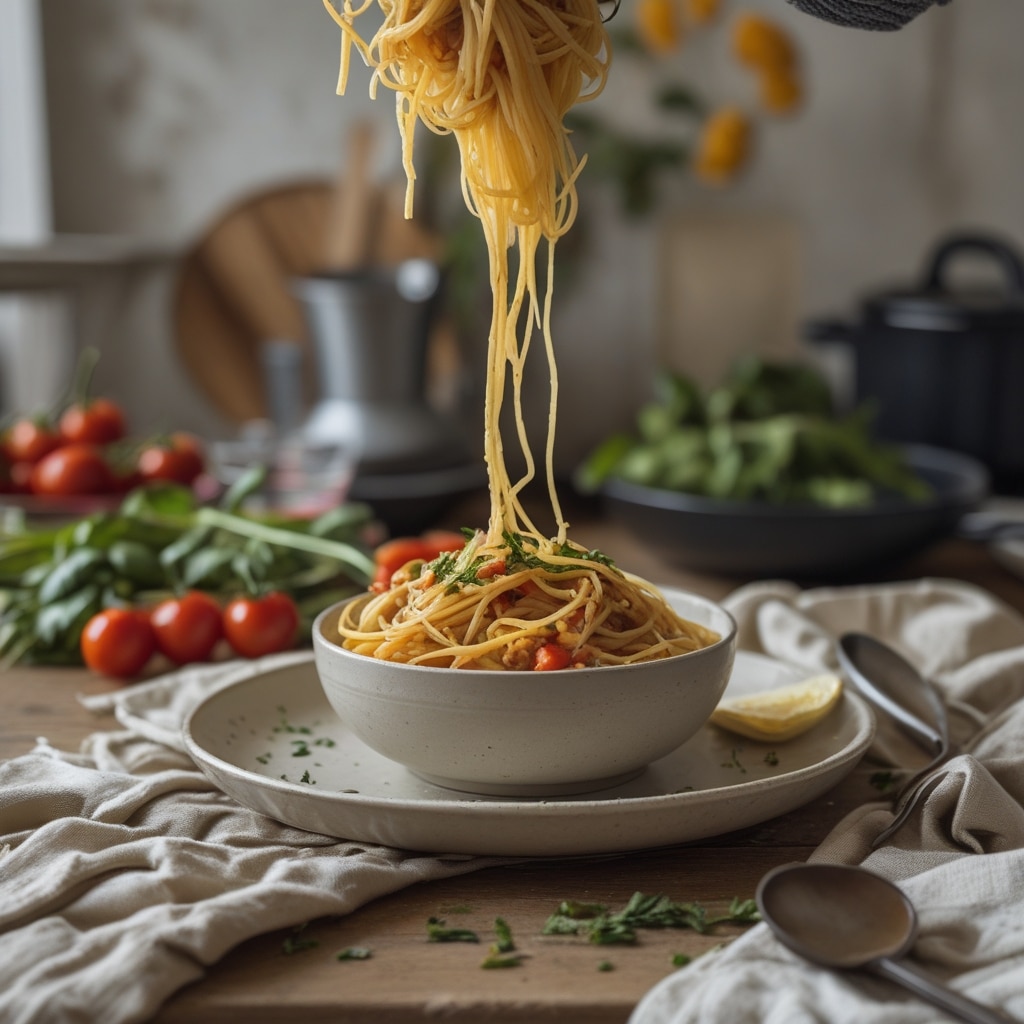
Cooking at home doesn’t have to be complicated or time-consuming. If you’re a busy professional, a student, or simply someone who loves flavorful meals without a pile of dishes afterward, you’ll fall in love with One-Pot Spaghetti. This modern twist on a classic Italian dish streamlines the cooking process while maintaining all the rich flavors of traditional spaghetti. By combining pasta, sauce, and seasonings in one pot, you reduce cleanup time and enhance the flavor through harmonious simmering. In this blog post, we’ll dive deep into how you can cook this comforting meal efficiently. You’ll also learn SEO-friendly cooking insights that make your food blog stand out while making your kitchen time a joy.
Step-by-Step Instructions
Step 1: Gather Your Ingredients
To begin, assemble everything you need before turning on the stove. You’ll need spaghetti noodles, olive oil, garlic, onion, diced tomatoes, broth (vegetable or chicken), salt, pepper, Italian herbs, and grated cheese to finish. Having everything ready ensures that your One-Pot Spaghetti comes together smoothly and consistently.
Step 2: Sauté Aromatics
Heat a bit of olive oil in a large pot over medium heat. Add minced garlic and finely chopped onions. Sauté until the onions turn translucent and the garlic releases its aroma. This creates the base flavor that sets the tone for the entire dish.
Step 3: Add Liquids and Pasta
Once the aromatics are ready, add diced tomatoes, broth, and your uncooked spaghetti noodles directly to the same pot. The beauty of this approach is that the starch released from the pasta thickens the sauce, achieving a luscious texture without needing multiple pans.
Step 4: Season and Simmer
Add your salt, pepper, and Italian seasoning mix. Stir occasionally to make sure the noodles cook evenly and don’t stick to the bottom. Lower the heat and let the pot simmer gently. As everything cooks together, the pasta absorbs both the liquid and the flavor profiles, resulting in a meal that’s rich, tangy, and savory.
Step 5: Finish and Serve
When the pasta reaches your desired tenderness and most of the liquid has been absorbed, remove the pot from heat. Sprinkle grated parmesan cheese or your favorite vegan alternative over the top. Stir gently, allow it to rest for a minute or two, then plate it up. Garnish with fresh basil leaves or parsley for color and freshness.
With these simple but effective steps, anyone can create a wholesome dinner with minimal fuss. And remember—great cooking isn’t just about following instructions; it’s about creating moments of enjoyment around the table.
Tips
Maximize Flavor Depth
If you want a more robust, restaurant-quality depth of flavor, deglaze the pot with a splash of white wine after sautéing onions and garlic. This helps lift the caramelized bits from the bottom of the pot, infusing your meal with complexity.
Adjust the Sauce Consistency
The ratio of liquid to pasta will vary depending on your brand of noodles and cooking temperature. Start with enough broth to cover the pasta completely. If the sauce becomes too thick before the pasta is tender, add small amounts of extra liquid.
Balance Acidity and Sweetness
Tomatoes are naturally acidic, which can sometimes make the dish slightly tangy. Adding a pinch of sugar or a small carrot while simmering helps balance that acidity, resulting in a smoother, more palatable finish.
Protein Additions
To make it heartier, you can add chunks of grilled chicken, ground beef, or plant-based proteins like lentils or chickpeas. These integrate seamlessly while maintaining the one-pot philosophy of minimal cleanup and maximum nutrition.
Keep It Fresh
Herbs lose potency if cooked too long. Add half during cooking and the rest at the end for a bright aroma and balanced taste. Fresh herbs like basil, parsley, or oregano can completely transform a simple pot of pasta into something spectacular.
Alternative Methods
Instant Pot Version
If you prefer using a pressure cooker, the Instant Pot method is an excellent alternative. Use the sauté function for onions and garlic, then add tomatoes, broth, and pasta. Seal the lid, set the pressure to high, and cook for about five minutes. After a natural release of pressure, open the lid carefully, give it a stir, and adjust seasoning.
Slow Cooker Approach
Although unconventional, a slow cooker can also handle this recipe beautifully. Combine all ingredients except the pasta and cook on low for six hours. Then, add the spaghetti in the last 30 minutes so it doesn’t overcook. The result is deep and aromatic, perfect for busy days when you want dinner to cook itself.
Stovetop Variations
Don’t hesitate to experiment with spices and bases. For example, replace traditional tomatoes with sun-dried tomato pesto or roasted red pepper puree. Both offer a unique twist in flavor and color. Additionally, you can swap spaghetti for linguine, penne, or even gluten-free alternatives without compromising taste or texture.
Conclusion
One-pot meals are more than just a trend—they’re a reflection of modern lifestyles where efficiency meets great taste. The charm of One-Pot Spaghetti lies in its simplicity: one pan, minimal effort, and a deliciously cohesive flavor profile that feels like comfort in every bite. As you continue experimenting with seasoning blends, toppings, and preparation techniques, you’ll find that this dish can adapt to virtually any palate or dietary need.
By focusing on rich, balanced flavors, optimizing cooking techniques, and presenting your content with an SEO-aware approach, your food blog can capture both human interest and search engine attention. Whether you’re cooking for family, friends, or simply yourself, this accessible meal is a gateway to more confident, creative, and enjoyable home cooking.
In essence, the perfect one-pot recipe balances ease and taste—exactly what makes this dish a timeless favorite worth sharing again and again.