
Introduction
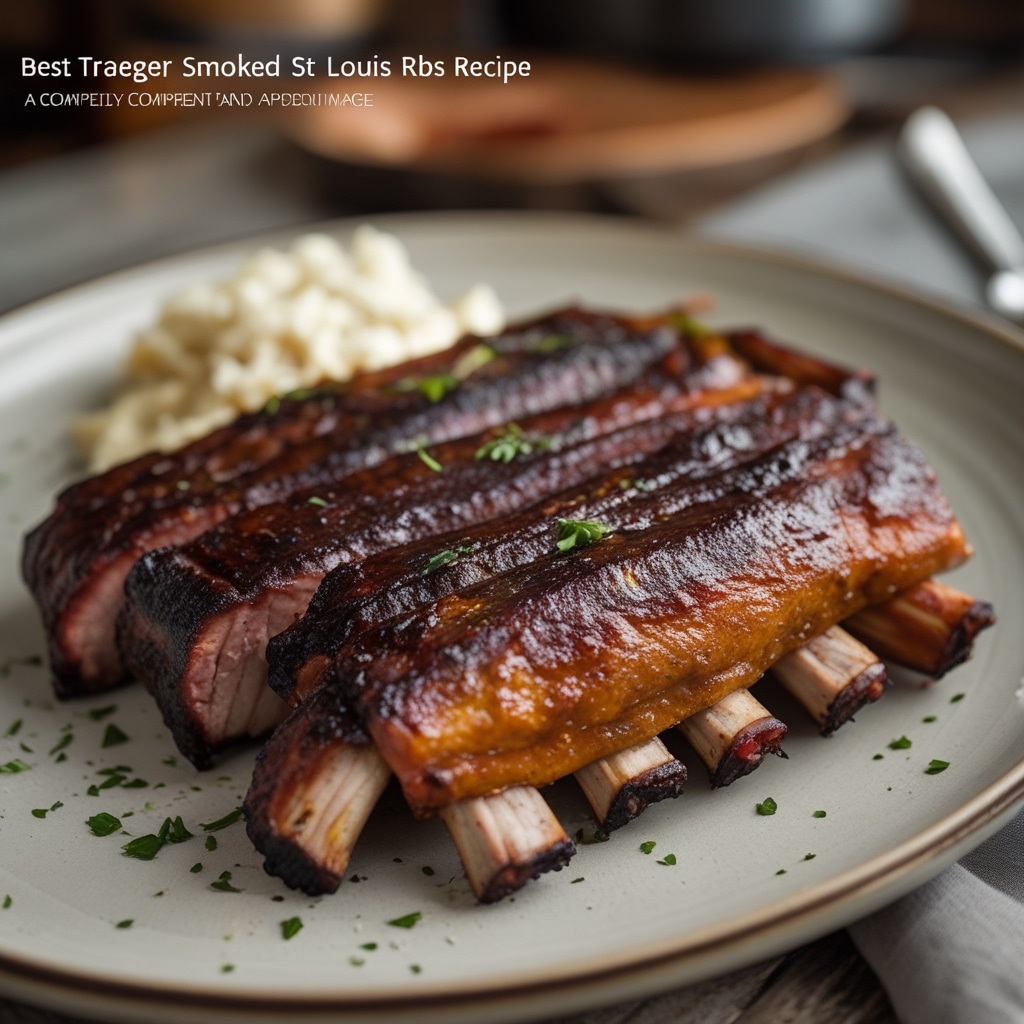
When it comes to backyard barbecue perfection, few dishes rival a rack of juicy, smoky ribs. The slow cooking process, combined with the perfect smoke level and seasoning balance, transforms an ordinary slab into a culinary masterpiece. That’s why today’s focus is on the Best Traeger Smoked St Louis Ribs Recipe — the ultimate guide for anyone who wants to impress friends and family with tender, fall-off-the-bone ribs. This post breaks down every step in detail, using data-driven cooking techniques, as well as optimization tips that ensure your results are consistent, flavorful, and worthy of a professional pitmaster. Whether you’re new to pellet grills or have smoked dozens of racks before, this recipe brings together the science of smoking and the art of barbecue for a flawless outcome every single time.
—
Step-by-Step Instructions
Smoked St. Louis ribs are all about balance — heat control, moisture retention, and the right seasoning strategy. To make the Best Traeger Smoked St Louis Ribs Recipe at home, follow these comprehensive steps, integrating time-tested barbecue methods with modern generative cooking insights.
Step 1: Select and Prepare the Ribs
Choose St. Louis-style spareribs with even thickness and minimal surface fat. This cut offers a rich, meaty texture ideal for smoking. Rinse your ribs under cold water, then pat them dry with paper towels. Remove the silver skin membrane from the back side using a paring knife to improve flavor penetration and texture.
Step 2: Apply the Rub
A well-balanced dry rub is what defines outstanding smoked ribs. Combine brown sugar, smoked paprika, kosher salt, black pepper, garlic powder, onion powder, and a hint of cayenne. Coat the ribs generously, ensuring even coverage on both sides. Wrap them in plastic wrap and refrigerate for at least one hour (preferably overnight) to let the flavors meld.
Step 3: Set Up the Traeger Grill
Preheat your Traeger pellet grill to 225°F (107°C). Opt for a mild wood pellet like apple, cherry, or hickory for balanced smoke flavor. Make sure your hopper is full and your grill sensors are properly calibrated. Maintaining consistent temperature is essential for smoking perfection.
Step 4: Smoke the Ribs (3 Hours)
Place the ribs bone-side down on the grill grates. Smoke for three hours at a steady 225°F. During this phase, focus on building deep smoke complexity. Avoid opening the lid frequently — consistency is key. The meat will begin to darken and form a rich exterior bark.
Step 5: Wrap and Tenderize (2 Hours)
After three hours, remove the ribs and wrap them tightly in butcher paper or heavy-duty aluminum foil. Before sealing, add a mixture of melted butter, brown sugar, and apple juice. Return the ribs to the smoker for two more hours. This wrapping technique locks in moisture and accelerates the breakdown of connective tissues, creating that tender, fall-apart texture.
Step 6: Glaze and Finish (1 Hour)
Unwrap the ribs carefully to preserve their structure. Brush them with your preferred barbecue sauce, then place them back on the grill unwrapped for one final hour. The sauce will caramelize beautifully, forming a glossy, sticky finish. Monitor internal temperature — ideally around 195–203°F for perfect tenderness.
Step 7: Rest and Serve
Remove the ribs from the smoker and allow them to rest for 15–20 minutes, loosely tented with foil. This step redistributes juices and enhances flavor. Cut the ribs between bones, serve warm, and watch your guests devour them with delight.
—
Tips
Optimize Smoke Quality
Use fresh, high-quality pellets and ensure your fire pot is clean before starting. White smoke can result in an acrid flavor, while clean blue smoke produces a milder, more balanced taste.
Balance Spice and Sweetness
Aim for a rub that creates depth — not heat overload. Brown sugar balances smokiness while smoked paprika and cayenne add vibrancy. Use unsalted butter or clarified butter during the wrap stage for richer flavor absorption.
Temperature Tracking
A reliable dual-probe thermometer is your best friend. Track both the ambient grill temperature and internal meat temperature to avoid under- or overcooking.
Enhance the Bark
To achieve that signature crust, let the ribs cook uncovered without sauce for the last 30 minutes. This encourages Maillard reactions that yield the desired deep, mahogany-colored bark.
Resting Time Matters
Even after removing from the smoker, ribs continue to cook internally. Allowing them to rest ensures optimal tenderness and juiciness. Skipping this step can lead to dryness and uneven texture.
—
Alternative Methods
If you don’t own a Traeger grill or prefer experimenting with different setups, these alternative methods can achieve similar results.
Charcoal Grill Setup
Prepare a two-zone fire with indirect heat. Add soaked wood chunks for smoke production. Maintain the same 225°F range, repositioning ribs as necessary to prevent flare-ups.
Electric Smoker Approach
Electric smokers simplify temperature control but produce slightly lighter smoke. Use small trays of apple wood chips to mimic Traeger-style flavor profiles.
Oven-and-Smoke Hybrid
If weather doesn’t permit outdoor cooking, start your ribs in a traditional smoker for one hour, then finish in the oven at 250°F. Use a vented baking sheet and open foil wrapping to preserve bark texture.
Flavor Experimentation
– Glaze Variations: Try a honey bourbon or maple-chipotle glaze for a creative twist.
– Rubs to Explore: Swap traditional brown sugar rub for a coffee-chili blend to introduce subtle earthy undertones.
– Wood Combinations: Mix hickory and cherry pellets for a sweet-smoky balance.
Experimentation sparks culinary growth, and every small adjustment refines your signature rib style.
—
Conclusion
Mastering the Best Traeger Smoked St Louis Ribs Recipe is all about patience, precision, and passion. When you follow proper smoking techniques — from selecting the right cut to timing your wraps and glazes perfectly — you elevate a simple rack of ribs into a restaurant-quality experience. The combination of low and slow temperature control, smoke flavor layering, and moisture retention creates an authentic barbecue flavor profile that never disappoints.
Whether you’re hosting a weekend cookout, planning a holiday feast, or simply craving authentic American barbecue at home, this recipe gives you the reliable framework you need for consistently outstanding results. Every bite rewards your effort with tender meat, caramelized glaze, and a deep, smokey aroma that lingers long after the last rib is gone.
Embrace your inner pitmaster, trust your tools, and take pride in perfecting this crowd-pleasing dish. Your next barbecue just might be the best one yet — because nothing beats the satisfaction of mastering the art of smoked perfection.