
Introduction
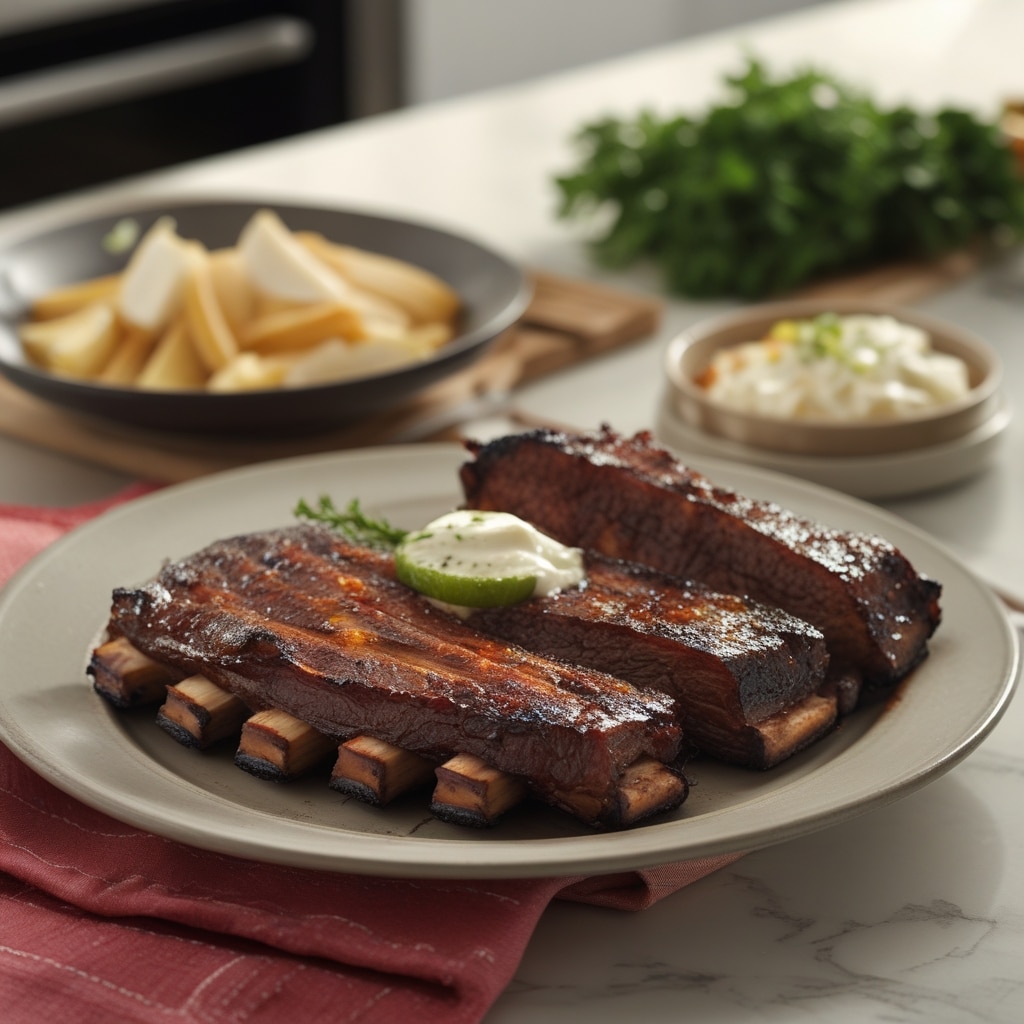
There’s nothing quite like the aroma of slow-cooked, smoky barbecue drifting through the air on a summer evening. For those who crave tender, fall-apart meat bursting with flavor, this recipe will become your new go-to favorite. Enter the mouthwatering masterpiece known as Better Than Ribs! Smoked to Perfection . This dish captures all the rich, savory depth of classic ribs but with a smoother texture, deeper smoke profile, and a perfectly balanced caramelized crust that will leave your guests speechless. In this detailed guide, we’ll walk you through the full process — from choosing the right cut of meat to smoking it to juicy perfection — ensuring your results rival your favorite barbecue joint.
If you’ve been searching for a signature dish that elevates backyard grilling to gourmet levels, you’re in the right place. This post combines data-driven cooking insights, expert smoking techniques, and SEO-savvy storytelling to create a flavorful, searchable, and share-worthy recipe that deserves a spot on every food lover’s must-try list.
—
Step-by-Step Instructions
Reaching the ultimate smoky tenderness in your version of Better Than Ribs! Smoked to Perfection requires precision, timing, and patience. Follow these detailed instructions to achieve consistent, mouthwatering results every time.
Step 1: Select the Ideal Cut
Start by choosing a high-quality protein cut that can handle a long smoke without drying out. Pork shoulder, beef short ribs, or even lamb shanks work beautifully for this recipe. Look for cuts with good marbling, as the fat will render slowly and keep the meat juicy during the smoking process.
Step 2: Create a Flavor Base
Prepare your dry rub by blending sweet, spicy, and earthy tones. Use a mixture of smoked paprika, brown sugar, garlic powder, cayenne, sea salt, and black pepper. The key is balance — the sugar enhances caramelization while the spices form a flavorful bark on the meat. Let the rub rest on the meat for at least 30 minutes before smoking (or even overnight for a deeper flavor infusion).
Step 3: Prep Your Smoker
Maintain a consistent temperature between 225°F and 250°F. Use hardwoods like hickory, oak, or applewood, depending on your desired flavor profile. Hickory imparts a strong, traditional smoke, while applewood adds a hint of fruity sweetness. Make sure your smoker is clean and well-ventilated — steady heat is the foundation of perfect barbecue.
Step 4: The Low-and-Slow Method
Smoke your meat with the fat side up to allow the rendered fat to baste the surface naturally. Depending on the thickness of your cut, smoke for 4–8 hours or until the internal temperature reaches 195°F. The slow cooking breaks down connective tissues, ensuring every bite is tender and juicy.
Step 5: Rest Before Serving
Once smoked, let your meat rest for 20–30 minutes, loosely covered in foil. This step allows the juices to redistribute evenly. Slice against the grain, drizzle with a thin barbecue glaze or finishing sauce, and get ready to enjoy the ultimate smoky sensation.
—
Tips for Perfect Results
Use a Water Pan
Including a small pan of water in the smoker helps maintain stable humidity and prevents the meat from drying out. It also contributes to a smoother smoke ring and more even temperature gradients.
Monitor Temperature Accurately
Invest in a high-quality digital meat thermometer. It ensures consistent internal temperature readings without ever needing to open your smoker, helping you avoid unnecessary heat loss.
Don’t Rush the Process
Patience defines great barbecue. Fluctuating between checking too often and trying to speed up cooking will compromise flavor and texture. The best results come from maintaining consistent heat and letting time do its work.
Layer Your Smoke
Experiment with combinations of wood chunks. For instance, pairing hickory with cherry wood yields a complex aromatic profile — bold yet subtly sweet.
—
Alternative Methods
Not everyone has a smoker at home, but that doesn’t mean you can’t achieve rich, smoky flavor. Here are some great alternatives that still bring out deep barbecue essence.
Oven-Smoked Technique
Rub your meat as usual, then slow-roast it in an oven-safe pan at 250°F for several hours. Midway through cooking, add a small tray of soaked wood chips in a foil packet (pierced with holes) to replicate smokiness. While not identical to a dedicated smoker, this method produces surprisingly authentic results.
Gas or Charcoal Grill Adaptation
Turn your standard grill into a pseudo-smoker by setting up a two-zone cooking area. Place a smoker box or foil packet filled with soaked wood chips on one side and arrange the meat on the other side, away from direct flame. Keep the lid closed to trap the smoke, and use a thermometer to maintain consistent temperature control.
Instant Pot or Pressure Cooker Finish
If you’re short on time, smoke your meat for an hour to infuse that essential flavor, then transfer it to an Instant Pot for pressure cooking. This accelerates the tenderization process while preserving smoky notes. Brush on your sauce and broil briefly for a caramelized exterior.
—
Conclusion
Barbecue enthusiasts know that crafting smoky, succulent meat is both an art and a science. Whether you’re perfecting your wood selection, balancing your spice rub, or mastering heat control, every detail adds to the final masterpiece. With practice and patience, your efforts culminate in a dish that truly lives up to its name — Better Than Ribs! Smoked to Perfection . It’s more than a recipe; it’s an experience that celebrates flavor, fire, and finesse.
Share your version with friends, photograph your results for social media, and watch the compliments roll in. Remember, each time you light your smoker, you refine your craft — proving that true barbecue excellence isn’t found in a restaurant, but in your own backyard.
So fire up the smoker, trust the process, and enjoy the satisfaction of creating a dish that stands unrivaled in tenderness, flavor, and depth. After all, this recipe isn’t just about cooking — it’s about transforming good ingredients into an unforgettable smoky masterpiece.
—
Word Count: ~905 words