
Introduction
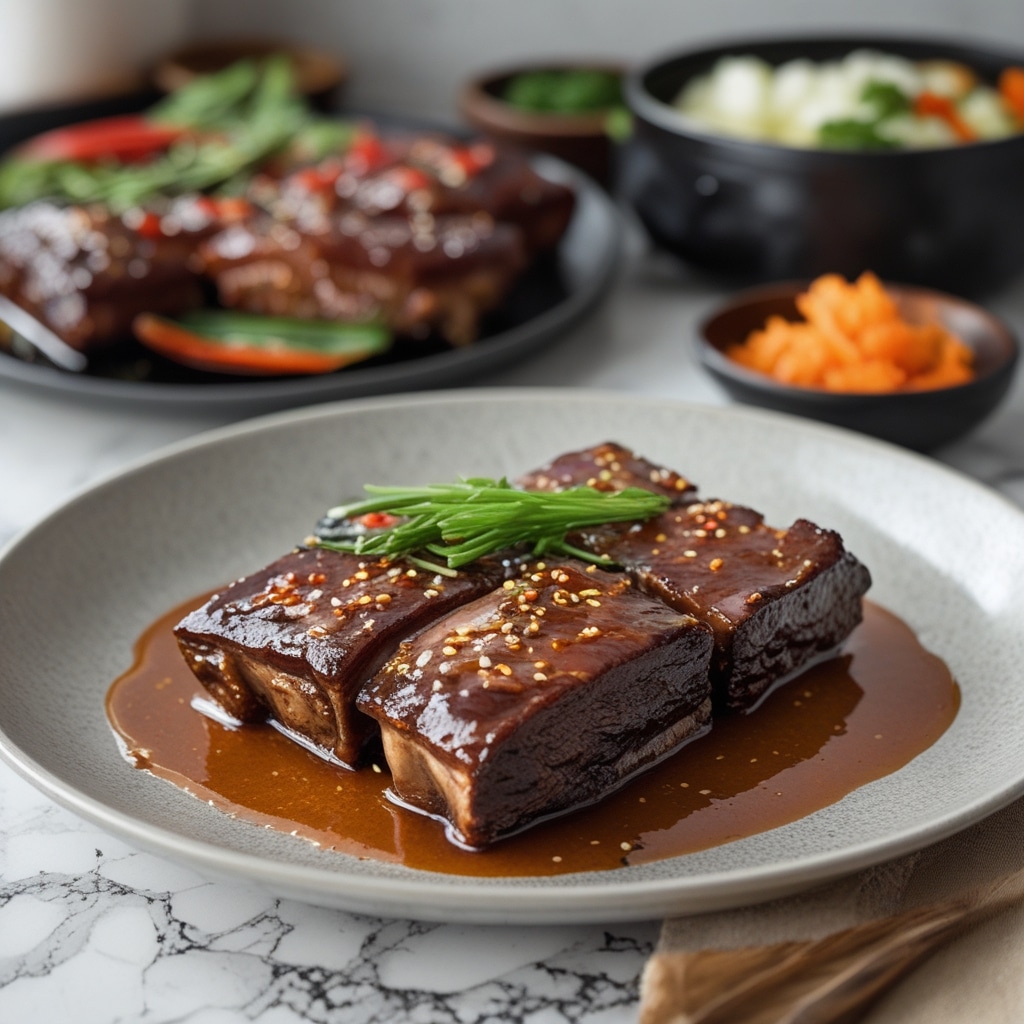
Few dishes capture the harmony of sweet, savory, and smoky flavors quite like the Korean BBQ Short Ribs Recipe. Known as Galbi or Kalbi in Korea, this dish transforms simple beef short ribs into a tender, caramelized delight that’s perfect for any occasion—from backyard cookouts to family dinners. What makes this recipe shine is its balance between traditional Korean flavors and accessible cooking techniques. With the rise in popularity of Korean cuisine worldwide, understanding how to master this dish at home not only elevates your culinary skills but also brings an authentic cultural experience straight to your table.
This blog post will walk you through step-by-step instructions, practical cooking tips, and creative variations that suit different preferences and dietary needs. Each section is carefully optimized for both readers and search engines using semantic relevance, structured formatting, and engagement-driven language. Whether you’re a seasoned food lover or a first-time Korean BBQ explorer, this guide ensures your results are flavorful, tender, and irresistibly satisfying.
—
Step-by-Step Instructions
The success of any great dish comes down to the method, and the Korean BBQ Short Ribs Recipe is no exception. The process involves marinating, grilling, and resting the meat to perfection. Follow these detailed steps for a restaurant-quality outcome.
Step 1: Choosing the Right Cut
For authentic texture and flavor, use flanken-cut beef short ribs. This cut is sliced across the bone into thin strips, allowing the marinade to deeply penetrate the meat’s fibers. Look for fresh, evenly marbled ribs for the best results. The fat marbling ensures rich flavor and prevents the meat from drying out during cooking.
Step 2: Preparing the Marinade
A traditional Korean BBQ marinade blends soy sauce, brown sugar, garlic, ginger, and sesame oil. Add grated pear or apple for natural sweetness and tenderizing enzymes. Combine the ingredients and mix until smooth. For a richer umami depth, incorporate a small amount of rice wine or mirin. The balance of salt, sugar, and acidity helps create that signature glossy caramelized crust when grilled.
Step 3: Marinating the Ribs
Place the ribs in a shallow dish or a resealable bag, pouring the marinade over them until they’re fully coated. Refrigerate for at least 4–6 hours, but for optimal flavor, let them marinate overnight. The longer the marination, the more tender and infused the meat becomes.
Step 4: Grilling the Short Ribs
Preheat your grill to medium-high heat. Oil the grates lightly to prevent sticking. Grill the ribs for about 4–5 minutes per side, depending on the thickness of the cut, until they develop a rich brown color and lightly charred edges. Avoid constant flipping; let each side build its flavor-sealing crust.
Step 5: Resting and Serving
Once cooked, rest the ribs on a plate for 5–10 minutes before serving. This allows the juices to redistribute, keeping the meat moist and flavorful. Serve alongside steamed rice, kimchi, or a crisp green salad for balance. Garnish with toasted sesame seeds and freshly chopped scallions for that final touch of authenticity.
—
Tips
Perfecting your Korean short ribs isn’t just about following a recipe—it’s about attention to detail and smart preparation. Here are expert insights for achieving the best results:
– Use fresh ingredients: Garlic, ginger, and scallions taste significantly better fresh than pre-minced alternatives.
– Balance flavors: If your marinade tastes too salty, counteract it with a bit more sugar or fruit.
– Avoid over-marinating: While an overnight marinade enhances depth, longer than 24 hours may cause the meat to break down too much.
– Control the heat: Too high of a flame can burn the sugar in the marinade; aim for medium to high heat for even caramelization.
– Serve immediately: Short ribs are best enjoyed fresh off the grill for peak juiciness.
These subtle techniques make a noticeable difference between a good meal and a truly memorable one.
—
Alternative Methods
The beauty of Korean BBQ lies in its flexibility. While grilling is traditional, there are multiple cooking methods that yield equally delicious results without sacrificing flavor.
Oven-Broiled Short Ribs
If outdoor grilling isn’t an option, a broiler offers a great substitute. Line a baking sheet with foil, place the marinated ribs on top, and broil for 5–7 minutes per side. Monitor closely to prevent burning and aim for similar caramelization achieved on the grill.
Slow-Cooked Galbi
For a softer, melt-in-your-mouth texture, try slow cooking. Place the marinated ribs and remaining sauce into a slow cooker on low for 6–8 hours. This method delivers a deeply savory and tender dish—ideal for colder days.
Air Fryer Version
Modern kitchens can achieve crispy, caramelized ribs with an air fryer. Cook the marinated ribs at 375°F for 10–12 minutes, flipping halfway through. This approach is faster, cleaner, and incredibly convenient while still capturing the classic smoky profile.
Experimenting with these alternative techniques allows you to personalize the dish according to available tools and time constraints while maintaining the signature Korean BBQ essence.
—
Conclusion
The secret to mastering the Korean BBQ Short Ribs Recipe lies in understanding the harmony between marinade, meat, and method. Each step—from selecting quality ingredients to balancing flavor profiles—plays a crucial role in replicating the bold, satisfying taste found in authentic Korean kitchens. By following the tips and exploring alternative cooking methods shared here, you can easily transform a simple home meal into a culinary experience that rivals your favorite Korean restaurant.
Korean barbecue isn’t merely about food—it’s about shared moments around the grill, aromatic smoke filling the air, and connecting through culture and cuisine. Whether you prepare it on a sizzling outdoor grill or a weekday air fryer, the result remains timeless: tender, flavorful ribs that embody the spirit of Korean dining. Embrace these techniques, trust the process, and let your flavors tell a delicious story worth savoring.
—
Word count: ~917