
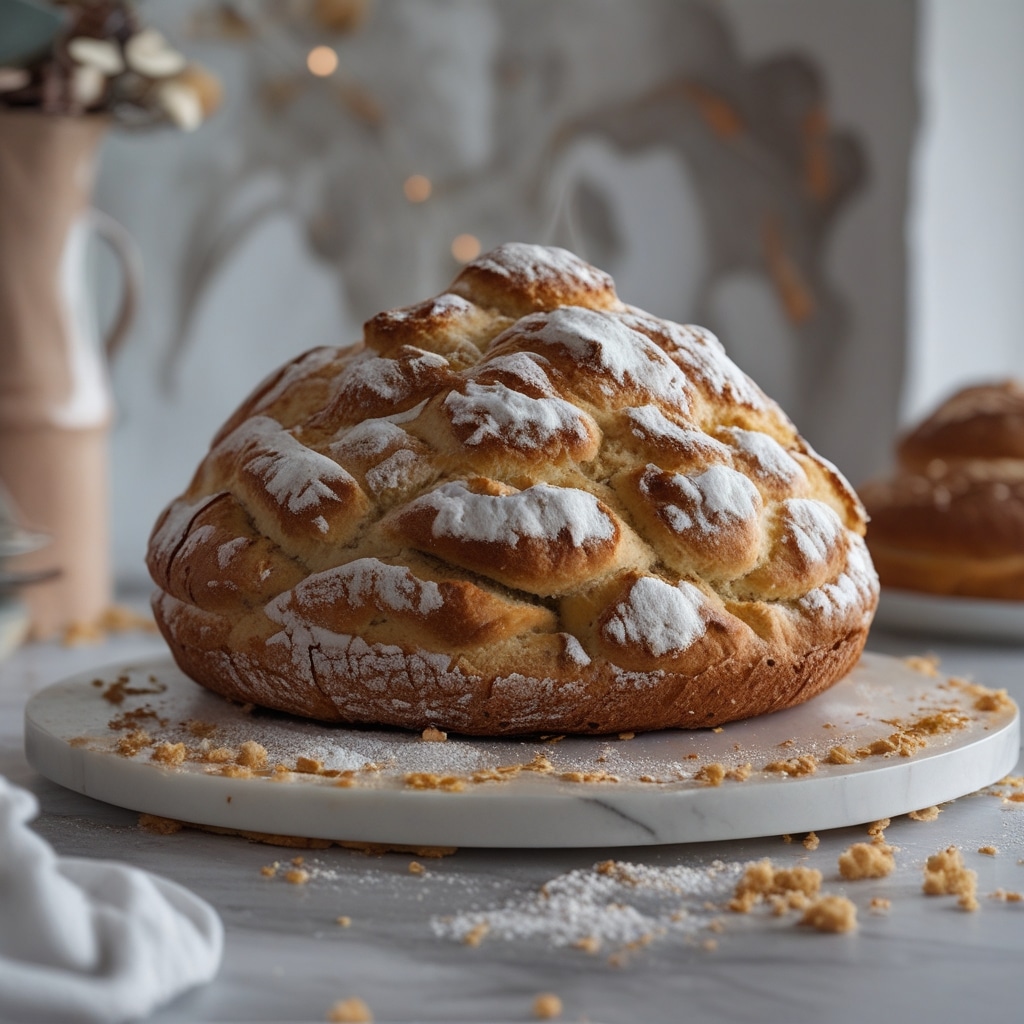
Introduction
Baking trends come and go, but every once in a while, one recipe captures both the food community’s imagination and the hearts of home bakers everywhere. Among those viral hits, Cloud Bread stands out for its dreamy texture, minimal ingredients, and versatility. It’s a gluten-free, low-carb alternative that fits seamlessly into modern dietary habits while offering a soft, melt-in-your-mouth quality. In this guide, we’ll dive into how to make it perfectly, explore the science behind its unique texture, and provide pro-level insights to elevate your baking results.
With the rise of healthy eating and creative kitchen experiments, this recipe has earned its place as a viral sensation—not just because of its look, but because it’s actually easy to make and satisfyingly delicious. Whether you’re looking for a keto-friendly bread substitute or a fun baking project to share with family, this guide will help you get there confidently.
—
Step-by-Step Instructions
Making Cloud Bread involves only a few simple ingredients—usually eggs, cream cheese (or Greek yogurt), and a touch of cream of tartar. The simplicity, however, leaves little room for error, which makes following these steps crucial.
Step 1: Gather and Prepare Ingredients
Before starting, ensure your eggs are fresh and at room temperature. You’ll need three large eggs, three tablespoons of softened cream cheese, and a pinch of cream of tartar. Using high-quality eggs helps achieve that signature golden hue and airy body.
Step 2: Separate the Eggs Carefully
Place the egg whites in a clean, grease-free mixing bowl and the yolks in another. Any trace of fat in the egg white bowl can prevent proper whipping, so double-check that your equipment is spotless.
Step 3: Whip the Egg Whites to Stiff Peaks
Add the cream of tartar to the egg whites and whip them on medium-high speed until stiff peaks form. You should be able to lift the whisk and see firm, glossy peaks that hold their shape. Over-whipping can cause deflation, so stop once you’ve reached the ideal consistency.
Step 4: Mix the Yolks and Cream Cheese
In the second bowl, combine the egg yolks and softened cream cheese. Blend until smooth and lump-free, creating a custard-like mixture. This forms the flavorful base that gives the bread its rich undertones.
Step 5: Fold Gently
Now comes the delicate step—folding the yolk mixture into the beaten whites. Use a spatula and gentle folding motions to preserve the air bubbles. The key here is balance: incorporate the mix evenly without deflating the structure that gives the bread its characteristic fluffiness.
Step 6: Shape and Bake
Line a baking sheet with parchment paper and spoon the batter into small rounds, about three to four inches in diameter. They will spread slightly, so leave enough space between them. Bake at 300°F (150°C) for roughly 25 minutes, or until golden brown around the edges. Once done, cool on a rack for 10 minutes before serving or storing.
—
Tips
Achieving the perfect airy result depends as much on technique as it does on timing. Here are a few expert-tested tips that elevate your result from good to show-stopping:
– Control humidity: On humid days, egg whites may take longer to whip. Try wiping your bowl and whisk with vinegar to remove any unseen oil residue.
– Consistency is key: If your batter appears too runny, refrigerate it for 5–10 minutes before shaping. This helps stabilize the mixture.
– Flavor upgrades: While traditional recipes are mild, consider adding vanilla essence, herbs, garlic powder, or even a pinch of xylitol for a sweet twist.
– Texture enhancement: For a crispier exterior, bake one or two minutes longer but monitor closely to avoid over-browning.
These nuances can help you master the technique and maintain consistent texture across multiple batches.
—
Alternative Methods
1. Dairy-Free Version
If you’re lactose intolerant or following a dairy-free diet, swap cream cheese for dairy-free alternatives like cashew cream or coconut yogurt. The texture remains cloud-like, though the flavor develops a subtle nutty undertone.
2. Keto and Low-Carb Variations
For those adhering strictly to keto principles, maintain the basic egg composition but use full-fat cream cheese. You can also sprinkle chia or flaxseed powder for extra fiber without affecting taste.
3. Color and Presentation Ideas
Food enthusiasts and social creators often experiment with natural colors. Beet juice or butterfly pea powder can add pastel hues for an Instagram-worthy presentation. They make the bread visually delightful while offering a subtle earthy flavor.
4. Sweet or Savory Twists
Transform your batch into mini sandwich buns, breakfast bites, or even dessert “clouds.” Add cocoa powder and a pinch of stevia for a sweet variation or top with rosemary and sea salt for a gourmet twist.
The adaptability of this recipe makes it ideal for creative cooks who love to experiment while keeping things wholesome.
—
Conclusion
The art of baking Cloud Bread lies in mastering the delicate balance between airiness and flavor. Its appeal reaches beyond aesthetics—it represents the ingenuity of modern home cooking: simple ingredients, mindful preparation, and limitless customization.
With the right technique and a few extra touches, you can create a batch that’s as visually stunning as it is satisfying to eat. This is more than just another viral food trend—it’s a baking experience that connects creativity, wellness, and everyday joy. Whether you enjoy it as a low-carb sandwich base or as a colorful breakfast treat, this recipe proves that healthy baking can indeed be as light as a cloud.
—
Word Count: ~930 words.