
Introduction
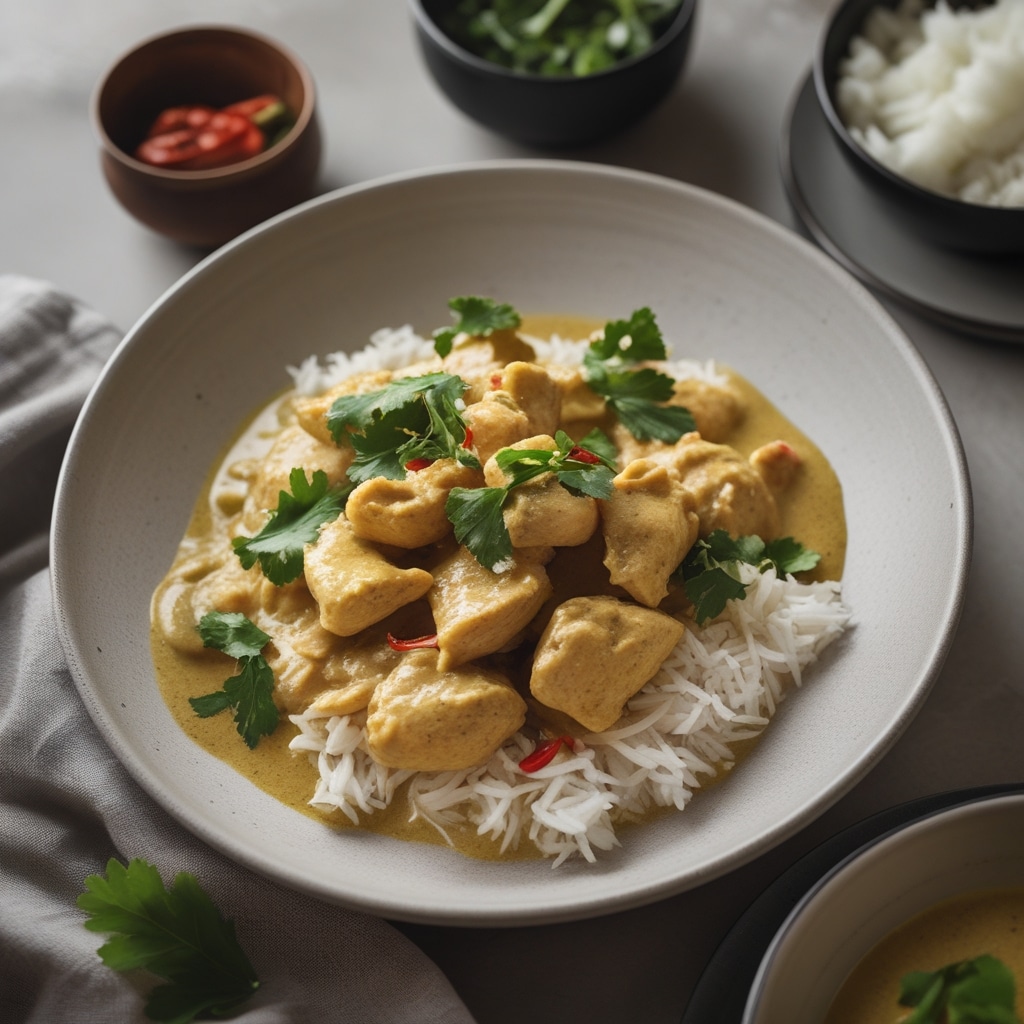
There’s something deeply comforting about the aroma of simmering curry in the kitchen — especially when it’s creamy, mildly spiced, and bursting with flavor. That’s exactly what you get with Coconut Milk Curry with Chicken, a dish that harmonizes tropical notes of coconut with tender, juicy chicken. Perfect for busy weeknights or cozy weekend dinners, this recipe brings together healthful ingredients and vibrant spices in a way that’s both rich and refreshingly light. In this post, you’ll discover how to make this curry step-by-step, learn insider tips for balancing flavors, and explore a few alternative preparations to match your culinary style.
—
Step-by-Step Instructions
Cooking a deeply flavorful curry doesn’t need to be intimidating. By breaking it down into simple stages, anyone—from novice cooks to experienced food enthusiasts—can bring Coconut Milk Curry with Chicken to life with confidence.
Step 1: Prepare & Marinate the Chicken
Start by trimming your chicken pieces (thighs or breast work equally well) into bite-sized chunks. In a bowl, mix a pinch of salt, a teaspoon of turmeric, half a teaspoon of ground coriander, and a spoonful of yogurt or lemon juice. Toss the chicken to coat evenly. Allow it to marinate for at least 20 minutes; this enhances tenderness and ensures every bite is layered with flavor.
Step 2: Build a Fragrant Base
In a large, heavy-bottomed pan, heat two tablespoons of cooking oil or clarified butter (ghee). Once hot, add diced onions and sauté until they turn golden brown. Follow with minced garlic, grated ginger, and finely chopped green chilies. The combination of these aromatics forms the flavor foundation for your curry — what chefs often call the “tadka.”
Step 3: Add the Spices
Now comes the spice infusion. Add ground cumin, coriander, garam masala, and a touch of chili powder. Sauté for a minute until your kitchen fills with the aroma of toasted spices. This step helps bloom the flavors, releasing essential oils that give your curry a depth of taste that can’t be achieved by simply mixing spices in at the end.
Step 4: Incorporate the Coconut Milk
Pour in the coconut milk slowly, stirring continuously to create a smooth, creamy sauce. If the curry feels too thick, add a small amount of chicken broth or water to adjust consistency without diluting the taste. Bring to a gentle simmer; this allows the coconut milk to blend with the spices and create that signature silky texture.
Step 5: Simmer the Chicken
Add your marinated chicken into the sauce. Cover and let it simmer for about 20 minutes on low to medium heat. The goal is to allow the meat to become tender while absorbing all the complex curry flavors. Stir occasionally to prevent sticking, and adjust salt or spice levels to your preference near the end of cooking.
Step 6: Finish & Garnish
Once the chicken is cooked through, turn off the heat and stir in a handful of chopped cilantro. Garnish with a squeeze of lime juice and serve your curry with warm basmati rice, naan, or even quinoa for a modern twist.
—
Tips
Cooking curry can be as much about intuition as it is about following steps. Here are a few pro insights to help you get restaurant-quality results at home:
– Use full-fat coconut milk. The richness and mouthfeel of full-fat versions make a considerable difference compared to light alternatives.
– Balance the flavors. If your curry feels too spicy, add a small amount of sugar or an extra splash of coconut milk. For a tangier finish, a dash of lime juice or tamarind paste works wonders.
– Mind your heat levels. Always start with less chili; you can increase the spice gradually as the curry simmers.
– Cook low and slow. Patience rewards you with a thicker, more aromatic curry as ingredients meld naturally.
– Marinate longer, if possible. A longer marination time deepens flavor — even two hours can take your curry from good to great.
– Storage tip: Store leftovers in an airtight container in the refrigerator for up to three days. The flavors continue to develop overnight, making it even tastier the next day.
—
Alternative Methods
One of the joys of making curry is its adaptability. Depending on your preferences, cooking tools, or dietary needs, you can modify the approach without losing its essence.
Pressure Cooker or Instant Pot
Cut down the cooking time substantially by preparing your curry in a pressure cooker or Instant Pot. After sautéing onions, garlic, and spices using the sauté function, add the chicken and coconut milk. Secure the lid and cook on “Pressure Cook” for 7–8 minutes. Once done, quick release the pressure and stir in fresh herbs before serving.
Vegetarian or Vegan Version
Replace the chicken with chickpeas, tofu, or mixed vegetables. Chickpea curry is especially popular for its protein content and hearty texture. Opt for vegetable broth instead of chicken broth to keep it plant-based, and ensure your coconut milk is dairy-free certified.
Low-Fat or Keto-Friendly Variation
For those watching calorie intake, use light coconut milk and lean chicken breast, and limit added oils. If you’re following a keto diet, combine your curry with cauliflower rice or zucchini noodles instead of traditional rice.
Fusion Flavor Twist
Experiment by incorporating regional influences. Add lemongrass and Thai basil for Southeast Asian notes, or combine turmeric and mustard seeds for a South Indian flair. You can even introduce a spoonful of peanut butter or cashew paste to enhance the curry’s creaminess and complexity.
—
Conclusion
Whether you’re exploring new ways to elevate your weeknight dinners or searching for a dish that delivers comfort and depth, Coconut Milk Curry with Chicken stands out as a timeless favorite. It’s versatile, rich in nutrients, and endlessly adaptable — the kind of recipe that fits effortlessly into diverse culinary traditions. From the first aroma of herbs blooming in the pan to the last spoonful of silky sauce, every step invites creativity and warmth.
As you continue to refine your cooking skills, remember that great curry isn’t just about following exact proportions — it’s about balance, experimentation, and enjoyment. So, gather your spices, embrace the simplicity of homemade curry, and let your kitchen become your personal haven of delicious discovery.
—
Word count: ~920 words