
Introduction
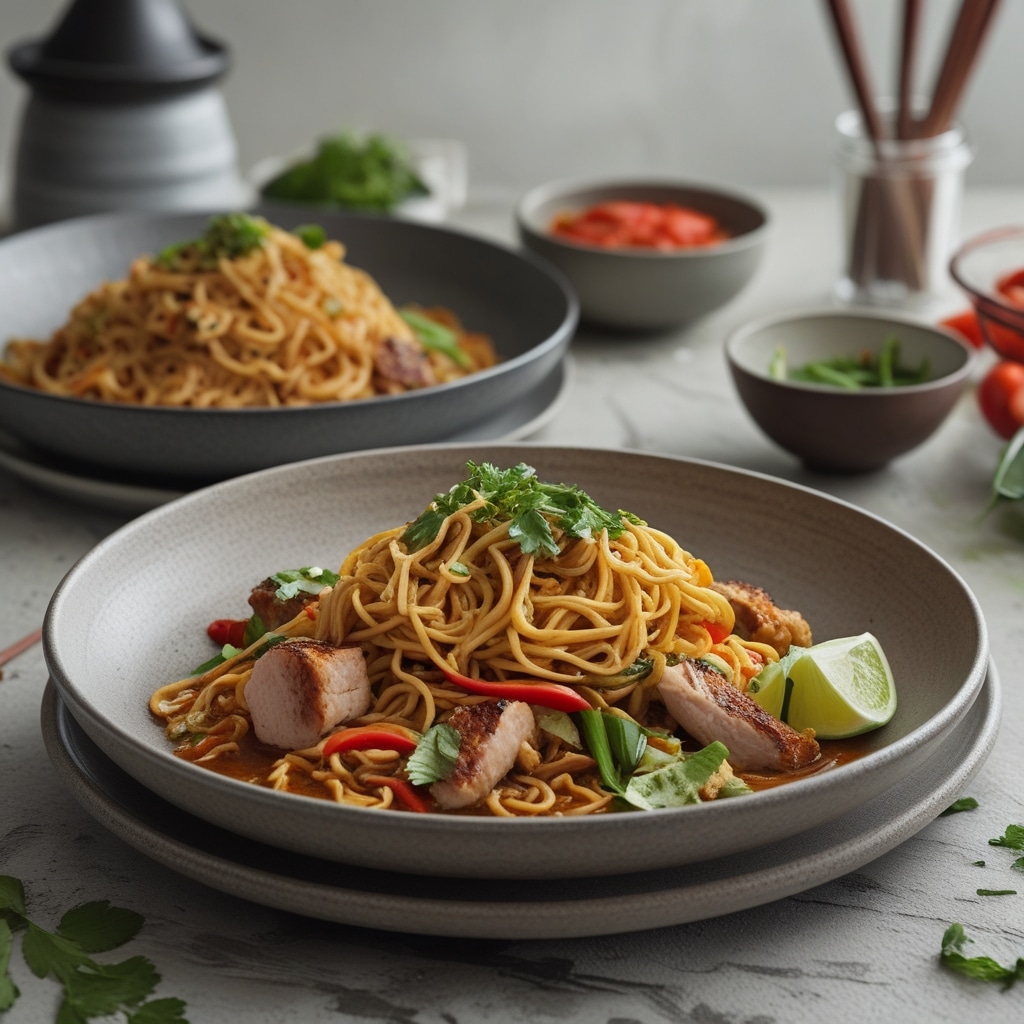
Cooking at home can be both exciting and rewarding, especially when you’re combining bold flavors and simple ingredients to create something truly mouthwatering. One recipe that brings authentic flair and satisfying spice to your dinner table is Spicy Noodles with Pork and Vegetables. This dish fuses the richness of seasoned pork with the freshness of colorful vegetables and the irresistible heat of chili sauce—all layered on a bed of springy noodles. Whether you’re gearing up for a cozy dinner at home or hosting friends who adore flavorful cuisine, this recipe delivers the ultimate comfort food experience in less than 40 minutes.
It’s versatile, customizable, and rooted in culinary balance—salty, spicy, sweet, and umami—all coming together in every bite. Plus, the vibrant contrast of textures makes it perfect for those who crave both heat and depth in their meals.
—
Step-by-Step Instructions
Follow these clear steps to create your perfect bowl of Spicy Noodles with Pork and Vegetables. Each phase ensures maximum flavor development, with a special emphasis on timing and layering ingredients for the best outcome.
1. Gather Your Ingredients
You’ll need:
– 200g egg noodles (or rice noodles for a lighter texture)
– 250g ground pork (you can substitute with chicken or tofu if preferred)
– 1 red bell pepper, sliced thinly
– 1 cup shredded cabbage
– 1 carrot, julienned
– 2 cloves garlic, minced
– 1 tablespoon ginger, finely grated
– 3 tablespoons soy sauce
– 2 tablespoons chili paste or Sriracha
– 1 tablespoon sesame oil
– 1 teaspoon sugar
– Fresh scallions and sesame seeds for garnish
This ingredient list forms a flavorful foundation that balances heat, aroma, and texture.
2. Prepare and Cook the Noodles
Bring a pot of salted water to a boil and cook the noodles according to package instructions—usually between 4 and 6 minutes. Drain and toss with a bit of sesame oil to prevent clumping, then set aside.
3. Sauté the Aromatics
Heat a large non-stick pan or wok over medium-high heat. Drizzle in some sesame oil and add the minced garlic and ginger. Stir-fry for 30 seconds until you smell their fragrant aroma. This is your flavor base, and it’s crucial to not overcook these ingredients—they should release fragrance without turning brown.
4. Cook the Pork
Add the ground pork and cook thoroughly, breaking it into small pieces with a wooden spoon. It should be browned evenly with slightly crisp edges—this step adds depth. Once done, stir in soy sauce and sugar to season the meat.
5. Add the Vegetables
Next, toss in the sliced bell peppers, cabbage, and carrots. Quickly stir-fry to keep them slightly crunchy. The combination of tender pork and fresh vegetables creates layers of flavor and textures, making each bite balanced.
6. Combine Everything
Add the boiled noodles to the wok, followed by the chili paste or Sriracha. Toss everything together, allowing the noodles to absorb the sauce and the flavors to mingle beautifully. Adjust seasoning with salt or more chili paste, depending on your spice preference.
7. Garnish and Serve
Finish your dish with chopped scallions and toasted sesame seeds for a refreshing crunch. Serve hot and enjoy every bite filled with savory heat and freshness.
—
Tips
Cooking the perfect spicy noodle dish requires attention to balance and technique. Here are some essential tips to master the process:
– Control the spice level: Start with half the amount of chili paste if you prefer mild heat, then increase gradually.
– Use fresh ingredients: Fresh vegetables and aromatics have stronger flavors, ensuring a more fragrant final dish.
– Don’t overcook noodles: Slightly under-boiling noodles helps them retain texture when mixed with sauces and stir-fried ingredients.
– Mix sauces separately: Combining soy sauce, sugar, and chili paste beforehand ensures even flavor distribution.
– Adjust the oil: Depending on the fat content of your pork, adjust the cooking oil to prevent greasiness.
These small tweaks can make a big difference in achieving that restaurant-quality result.
—
Alternative Methods
Sometimes, the beauty of cooking lies in flexibility. This dish is incredibly adaptable—here’s how to modify it based on dietary needs, flavor preferences, or available ingredients.
1. Protein Swaps
If you don’t eat pork, you can easily replace it with:
– Ground chicken or turkey for a leaner protein.
– Tofu or tempeh for a vegetarian-friendly version.
– Shrimp for a seafood twist that complements the spicy base.
2. Noodle Variations
Instead of egg noodles, experiment with:
– Udon for a thicker, chewier texture.
– Soba noodles for a nutty flavor.
– Zucchini noodles (“zoodles”) for a low-carb alternative.
3. Sauce Adjustments
To change the flavor profile:
– Add oyster sauce for depth and sweetness.
– Replace soy sauce with tamari for a gluten-free version.
– Mix in hoisin sauce for extra umami and caramel notes.
4. Cooking Equipment
If you don’t have a wok, use a large non-stick skillet. A cast-iron pan works too, as it holds high heat evenly—perfect for stir-frying.
By adjusting ingredients or methods, you’ll find a version that suits your tastes and dietary preferences perfectly. It’s all about experimenting while maintaining harmony between heat, texture, and flavor.
—
Conclusion
There’s something deeply satisfying about mastering a weeknight meal that feels gourmet without the stress of complex techniques. With Spicy Noodles with Pork and Vegetables, you get that harmony of fiery heat, savory pork, and crisp, tender vegetables—all in under an hour. Not only is this dish an easy way to bring global flavors into your kitchen, but it’s also a dynamic recipe that nurtures your creativity and culinary confidence.
As you prepare this dish again and again, you’ll discover new ways to tweak seasonings, introduce different textures, or scale it up for larger gatherings. Pair it with a refreshing cucumber salad or iced green tea to balance the spice, and you’ll have a meal that feels indulgent yet wholesome.
This flavorful noodle recipe is more than just a quick dinner—it’s a one-pan celebration of culture, comfort, and creativity on your plate.