
Introduction
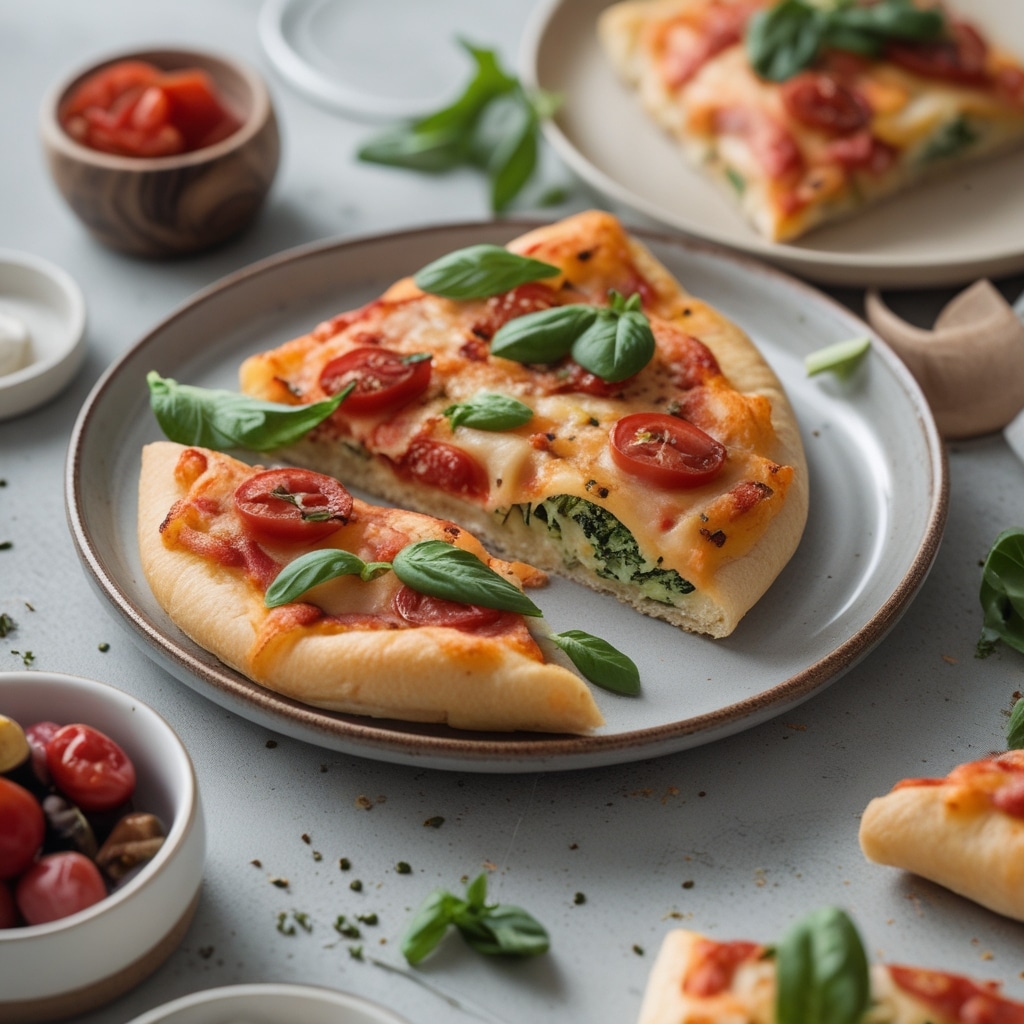
Packing healthy and exciting lunchbox meals can be a daily challenge for parents. Kids love variety, and balancing nutrition with taste can often feel like a tall order. That’s where Easy DIY Vegetable Pizza Pockets for Lunchboxes come to the rescue. This fun and simple recipe combines the classic flavors of pizza with the convenience of a pocket-sized lunch favorite. Designed to be both nutritious and appealing, these pockets are perfect for busy families who want to meal prep efficiently while keeping food fresh and easy to eat on the go.
This recipe fits beautifully within a balanced diet and can be tailored to include whatever vegetables and fillings you have at home. Aside from being freezer-friendly, the pockets also make a great activity for kids who want to join in on the cooking fun—teaching them responsibility and creativity in the kitchen. In this post, we’ll walk through the easy steps to make them, share expert tips for flawless results, and explore smart variations to suit every dietary need.
—
Step-by-Step Instructions
Making Easy DIY Vegetable Pizza Pockets for Lunchboxes is simpler than you might think. All you need are a few basic ingredients, some creativity, and a bit of patience. Let’s break down the process from start to finish to ensure you achieve perfectly golden, flavorful pizza pockets every single time.
Step 1: Gather Your Ingredients
Before you begin, ensure you have all your components ready. You’ll need whole wheat pizza dough or puff pastry, shredded mozzarella, your favorite pizza sauce, and an assortment of finely chopped vegetables such as bell peppers, spinach, mushrooms, onions, and even grated zucchini. For added protein, you can mix in cooked chicken or tofu.
Lay everything out on your counter—mise en place (a French cooking term meaning “everything in its place”) will save you time and make the process seamless.
Step 2: Prepare the Dough
Roll out the dough on a lightly floured surface until it’s about ¼ inch thick. Use a cookie cutter or the rim of a glass to cut even-sized circles or rectangles. These will serve as the base and top of your pizza pockets.
If you’re using store-bought dough, let it rest at room temperature for about 15 minutes before rolling—it will be more pliable and easier to shape.
Step 3: Add the Filling
Spread a thin layer of pizza sauce on half of your cutouts, leaving a small border for sealing. Sprinkle shredded cheese evenly and top with your chosen vegetables. Be careful not to overfill, as this could cause the pocket to burst while baking.
To lock in moisture and flavor, brush a small amount of olive oil over the veggies before sealing.
Step 4: Seal and Bake
Place another dough piece on top of the loaded one and press the edges together firmly using a fork. This not only seals the pockets but also gives them a beautifully crimped look.
Preheat your oven to 375°F (190°C). Transfer pockets to a baking sheet lined with parchment paper and lightly brush the tops with olive oil or a beaten egg for that perfect golden shine. Bake for 15–20 minutes, or until the crust turns crispy and golden brown.
Step 5: Cool and Pack
Allow the pockets to cool on a wire rack for about 10 minutes before packing them into lunchboxes. They can be enjoyed warm or cold, making them incredibly versatile for school, work, or picnics. To keep them fresh, store extras in an airtight container in the fridge for up to four days or freeze them for longer storage.
—
Tips for Perfect Homemade Pizza Pockets
Even though the recipe seems simple, a few pro tips can elevate your result from good to great.
1. Pre-cook the vegetables: Water-heavy vegetables like mushrooms or spinach can release moisture while baking, resulting in soggy pockets. Lightly sauté or roast them beforehand.
2. Add a flavor boost: Sprinkle dried oregano, garlic powder, or chili flakes into your sauce for an extra punch.
3. Use cheese strategically: A small amount of mozzarella inside the pocket melts well and holds ingredients together. For a golden top, brush with a mix of milk and cheese before baking.
4. Don’t rush the cooling: Letting the pockets rest before storing ensures they stay crisp instead of becoming steamy and soft inside containers.
These steps ensure your lunchbox meals stay as delicious and appealing as when they came out of the oven.
—
Alternative Methods and Variations
While baking delivers that perfect crisp texture, there are plenty of ways to tweak this recipe to match your preferences or kitchen setup.
Air Fryer Variation
If you own an air fryer, you can prepare these pockets in less time and with less oil. Set your air fryer to 350°F (175°C) and cook for 10–12 minutes, flipping halfway through. They’ll come out crisp and evenly browned.
Whole Grain or Gluten-Free Options
Opt for whole-grain pizza dough to increase fiber content, or use a gluten-free flour mix to accommodate dietary restrictions. Most gluten-free doughs work beautifully when lightly brushed with olive oil before baking to prevent dryness.
Vegan Adaptations
Replace mozzarella with dairy-free alternatives like vegan cheese shreds made from cashews or coconut oil. A dollop of hummus or blended white beans can serve as a protein-packed, creamy binder in place of cheese.
Sneaky Veggie Upgrade
Blend cooked carrots, spinach, and tomato paste into your pizza sauce. This method enriches the flavor while adding hidden nutrients, perfect for picky eaters who resist visible vegetables.
—
Conclusion
Healthy, fun, and easy to pack, Easy DIY Vegetable Pizza Pockets for Lunchboxes offer a smart solution for families seeking balanced meals that don’t sacrifice taste. Whether baked fresh over the weekend or reheated straight from the freezer, they remain a nutritious, kid-approved option for any time of day. The beauty of this recipe lies in its simplicity—minimal ingredients, endless variations, and impressive results every time.
By incorporating fresh vegetables and customizable fillings, you not only encourage mindful eating but also teach kids to appreciate wholesome foods. From meal prepping to getting creative with leftovers, these handheld delights can truly transform the way you approach school lunches. Try adding your favorite vegetables, proteins, or sauces to make each batch unique—and enjoy the satisfaction of crafting a lunchbox meal that’s both delicious and nourishing.