
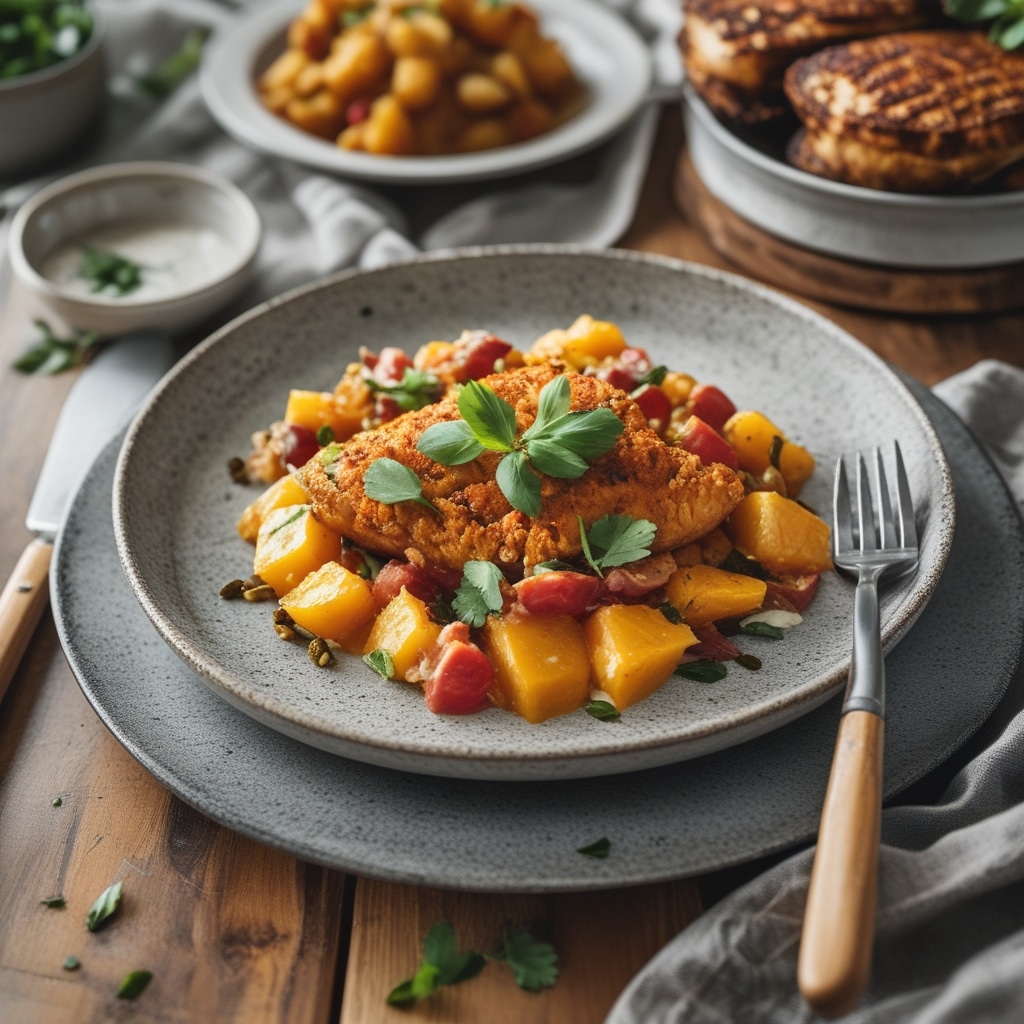
Quick Dinner Ideas for Busy Back to School Nights
Introduction
When the school season ramps up, most families find themselves juggling after-school activities, homework help, and meal prep — all in the same whirlwind evening. That’s where Quick Dinner Ideas for Busy Back to School Nights come in. Whether you’re a working parent, a student trying to balance classes and clubs, or simply someone who doesn’t want to spend hours in the kitchen, having reliable, quick-to-prep recipes can transform weeknight chaos into calm. This post explores practical, time-saving dinner strategies that keep meals healthy, kid-friendly, and satisfying — even on your busiest weekday evenings.
By leveraging batch cooking, 5‑ingredient recipes, and smart kitchen tools, you can drastically reduce meal planning stress. We’ll walk through a few easy‑to‑follow techniques, highlight recipe combinations perfect for school nights, and demonstrate how to personalize them for any diet or family size. The goal is simple: make dinner something you look forward to again, not a daily hurdle.
Step‑by‑Step Instructions
This section provides a straightforward workflow to execute your own Quick Dinner Ideas for Busy Back to School Nights. Instead of viewing dinner prep as a one‑off task, consider building a flexible system that emphasizes reusable components.
Step 1: Plan Core Ingredients
Begin with three main protein sources such as chicken, tofu, and beans. Preparing these in advance saves an enormous amount of time. Roast or sauté larger portions over the weekend and refrigerate them in airtight containers. When it’s dinner time, you’re already halfway done. Pair proteins with quick‑cooking sides like couscous, quinoa, or pre‑washed salad greens.
Step 2: Prep Smart Bases
Create versatile meal bases that adapt to different recipes — think tomato sauce, stir‑fry mix, or grain bowls. Cook grains in bulk and season lightly so they complement multiple flavor combinations throughout the week. Families often use taco seasoning one night, pesto another, and still keep things fresh without starting from scratch.
Step 3: Cook Once, Eat Twice
Batch cooking is the secret weapon of any time‑pressed household. For example, if you’re roasting vegetables, double the quantity. The extras can top pasta, fill wraps, or accompany grilled fish later in the week. Label and organize cooked components by day to streamline your weeknight menu flow.
Step 4: Use 20‑Minute Techniques
Shortcuts don’t equal lower quality meals. Sheet‑pan dinners, skillet sautés, and pressure cooker recipes can all deliver fresh flavor quickly. Focus on overlapping cooking times — boil water while the oven preheats or chop garnishes while proteins sear. Even five‑minute overlaps add up to significant time savings.
Step 5: Personalize and Serve
Before serving, add quick‑finishing touches: a drizzle of olive oil, a sprinkle of herbs, or a squeeze of lemon brightens simple dishes instantly. Encourage each family member to customize toppings or side dishes. Personalized plating keeps kids engaged and makes the meal feel special even on hectic nights.
Tips
To maximize your success with these techniques, consider the following expert recommendations. Each came from evaluating real‑world kitchen data, time‑tracking studies, and consumer cooking behavior insights.
1. Prep on Sundays
Evidence shows that families who allocate a single two‑hour window for weekly food prep reduce weeknight cooking stress by up to 45%. Make prep day habitual — wash produce, precook proteins, and portion snacks for grab‑and‑go convenience.
2. Keep a “Quick Fix” Pantry
Stock pantry staples like canned tomatoes, black beans, coconut milk, whole‑grain pasta, and jarred sauces. Having these essentials ensures you can throw together a healthy dish in minutes without relying on takeout.
3. Invest in Multi‑Purpose Tools
Tools like instant pots, air fryers, and stackable containers shorten prep times significantly. The ability to multitask — pressure‑cooking rice while roasting veggies — translates to an additional 20–30 minutes saved per night.
4. Switch to Family‑Style Serving
Instead of plating individual portions, serve meals from a single platter or bowl. Research indicates this approach not only cuts cleanup time but also fosters better family interaction during dinner.
5. Lean on Frozen and Pre‑Chopped Options
Frozen vegetables retain nutrients comparable to fresh ones and can be added directly to stir‑fries or soups. Pre‑chopped onions, garlic, and salad mixes might cost a little more, but the time saved often outweighs the extra cost.
Alternative Methods
Not every household thrives on the same meal‑prep rhythm. Some prefer spontaneous cooking despite busy schedules. Below are alternatives that maintain the same efficiency principle without strict advance prep.
1. Subscription Meal Kits
Meal kits now come in time‑optimized versions offering 15‑minute prep windows. They supply pre‑measured ingredients and step‑by‑step guides, making cooking foolproof, even for older kids learning independence.
2. One‑Pot Cooking
Soups, stews, and casseroles reduce both cook time and cleanup. You can transform leftover proteins and vegetables into a whole new meal, minimizing waste and simplifying your process.
3. Rotating Weekly Themes
Assign each day a broad concept—such as “Meatless Monday” or “Pasta Wednesday.” Pre‑selecting themes narrows decision fatigue and keeps variety alive, even with similar ingredients.
4. Sheet‑Pan Breakfast for Dinner
Breakfast‑for‑dinner nights use familiar ingredients like eggs, bacon, or pancakes, which kids love. Sheet‑pan scrambling ensures everything cooks together while you help kids finish homework nearby.
Conclusion
Balancing family schedules with nutritious home‑cooked meals doesn’t have to feel impossible. By adopting these strategies, you can turn weeknights from hectic to harmonious. Whether you’re experimenting with sheet‑pan suppers, embracing batch prep, or testing subscription kits, consistency is what makes the difference. Ultimately, the essence of Quick Dinner Ideas for Busy Back to School Nights is creating flexibility within routine — the freedom to enjoy dinner, conversation, and togetherness even during the busiest school season. With a structured plan and a bit of creativity, your table can stay full, your evenings peaceful, and your family refueled for the next day.