
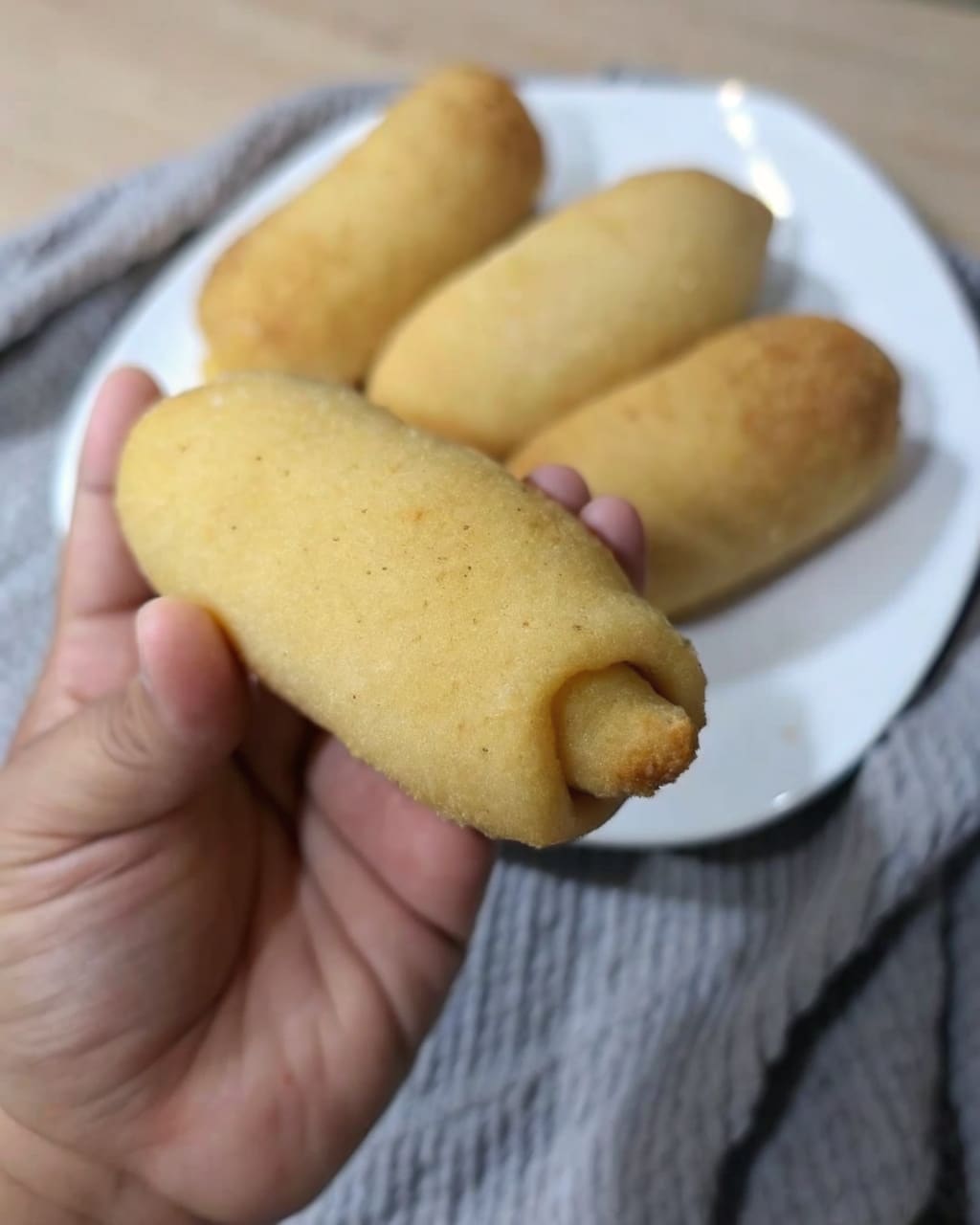
I still remember the first time I tasted Filipino Spanish Bread. It was in a small Filipino bakery tucked inside a busy street in Los Angeles. The smell of freshly baked rolls reminded me of mornings in Kyoto, when my mother would shape onigiri with her gentle hands and my grandmother’s voice echoed, saying, “Cooking is the purest form of love.” That day, I bit into the soft, buttery bread filled with sweet, caramel-like crumbs and thought—this is love, too.
When I moved to the U.S., I brought a little wooden box filled with my grandmother’s handwritten recipes. Over time, I started blending flavors from home with those I discovered here. The first time I made Filipino Spanish Bread in my California kitchen, the buttery scent filled the air like a comforting hug. My American friends called it “sweet rolls,” but to me, it was more than that—it was a bridge between Kyoto and Manila, a taste of shared warmth.
Filipino Spanish Bread isn’t Spanish at all—it’s uniquely Filipino, a tender roll filled with butter, sugar, milk, and breadcrumbs, then rolled and baked until golden. The name likely reflects our colonial past, but its heart belongs to Filipino homes. It’s soft, slightly sweet, and perfect with morning coffee or afternoon tea.
For me, baking this bread connects generations. The careful kneading, the waiting for dough to rise, and that first bite remind me that even far from home, food keeps stories alive.
Ingredients for Authentic Filipino Spanish Bread
Everything You Need for That Buttery-Sweet Flavor
Before you start, gather your ingredients. The secret to perfect Filipino Spanish Bread lies in balance: soft dough, creamy filling, and that thin coat of breadcrumbs that turns delightfully crisp when baked.
Use active dry yeast for better flavor, and always warm your milk or water to about 110°F—just warm enough to activate the yeast without killing it. If you prefer richer dough, swap regular milk for evaporated milk, and if butter isn’t on hand, vegetable oil makes a reliable substitute.
Here’s what you’ll need:
| Ingredient | Amount | Notes |
|---|---|---|
| Active dry yeast | 2¼ tsp (1 envelope) | Activate in warm water for 10 mins |
| Granulated sugar | ⅔ cup + 1 tsp | Used for both dough and yeast mixture |
| Warm water | 2 cups total | Approx. 110°F for yeast activation |
| All-purpose flour | 6 cups | Can substitute with bread flour |
| Canola or vegetable oil | ¼ cup + extra for greasing | Helps keep dough soft |
| Salt | 2 tsp | Balances sweetness |
| Unsalted butter (softened) | ½ cup | For filling |
| Brown sugar (packed) | ½ cup | Adds caramel flavor to filling |
| Plain breadcrumbs | ¾ cup + extra for rolling | Creates the signature texture |
| Milk | 3 tbsp | Adjust for spreadable filling consistency |
How to Make Filipino Spanish Bread – The Step-by-Step Guide to Soft, Buttery Perfection
The Secret to Perfect Filipino Spanish Bread
Baking Filipino Spanish Bread is a ritual of patience and joy. It starts with the simple act of activating yeast—tiny bubbles of life that give the bread its irresistible softness. The process unfolds gently: proof, knead, fill, and bake. It’s a dance between warmth and time, and when the rolls emerge golden brown, the scent alone feels like home.
This step-by-step guide keeps the tradition simple and approachable. The dough is soft but manageable, and the buttery-sugary filling is easy to spread. Let’s bring that nostalgic Filipino bakery aroma right into your kitchen.
Step-by-Step Instructions
1. Prepare the Dough
- In a small bowl, mix 1 cup warm water (110°F), 1 tsp sugar, and active dry yeast. Stir gently and let it stand for 10 minutes, or until foamy.
- In a large mixing bowl, combine ⅔ cup sugar and ¼ cup oil until smooth.
- Add the yeast mixture, 2 tsp salt, and another 1 cup warm water.
- Mix in 1 cup flour first, stirring until it forms a thick batter. Gradually add the remaining flour ½ cup at a time, mixing after each addition.
- Once the dough forms and pulls away from the bowl, transfer it onto a floured surface.
- Knead for 8–10 minutes until smooth and elastic. (If it sticks, sprinkle a little more flour.)
- Lightly oil a large bowl, place the dough inside, and roll it to coat all sides.
- Cover with a damp towel and let it rise in a warm spot (about 90°F) for 1.5 hours, or until it doubles in size.
Tip: To create the perfect warm environment, briefly turn your oven on low for a few minutes, then turn it off before placing your dough inside to rise.
2. Make the Buttery Filling
While the dough rests, prepare the sweet, velvety filling:
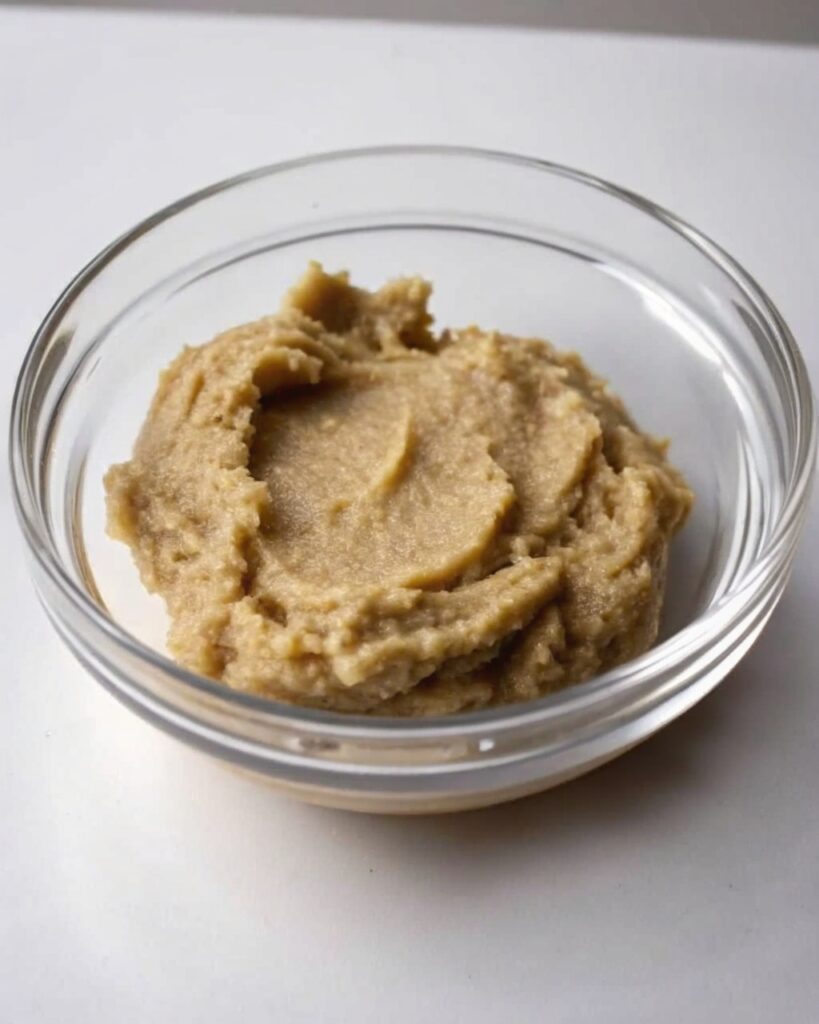
- In a small bowl, combine ½ cup softened butter, ½ cup brown sugar, ¾ cup plain breadcrumbs, and 3 tbsp milk.
- Stir until the mixture becomes smooth and spreadable.
- If it feels dry or crumbly, add milk 1 teaspoon at a time until it reaches a creamy consistency.
The filling should be thick enough to spread without running—like the inside of a cinnamon roll but with that distinct buttery Filipino flavor.
3. Shape the Rolls
- Once the dough has doubled in size, punch it down gently to release air.
- Transfer to a lightly floured surface and divide into 18 equal pieces.
- Flatten each piece into an oval (about 10 x 3 inches) using your hands or a rolling pin.
- Spread 1–2 tablespoons of filling evenly over each piece, leaving a ½-inch border.
- Roll tightly from one end to the other and pinch the seam to seal.
- Roll each log in breadcrumbs until fully coated.
4. Second Rise & Bake
- Arrange the rolls seam-side down on two greased baking trays, spacing them about 2 inches apart.
- Cover with a damp cloth and let them rest for 1 hour, or until they puff slightly.
- Preheat your oven to 375°F (190°C).
- Bake for 20–25 minutes, or until the rolls turn light golden brown.
- Remove from oven and cool slightly before serving warm.
Tip from my grandmother’s notebook: Spanish Bread tastes best 10 minutes after baking—when the butter inside is still warm and the crust has a slight crunch.
Pro Baker’s Tips
- Check your yeast: If it doesn’t foam after 10 minutes, start again with fresh yeast.
- Soft dough is key: Slight stickiness is fine—don’t over-flour.
- Hand kneading: You’ll feel when the dough is ready—it should bounce back when pressed lightly.
- Even shaping: Use a kitchen scale for uniform rolls.
You can explore more creamy, protein-packed inspirations in my Specialty Breads Collection and discover more cottage cheese-based dishes on Greaty Recipes’ .
Serving Filipino Spanish Bread – Soft, Warm, and Perfectly Sweet
Enjoying Filipino Spanish Bread the Authentic Way
The moment the Filipino Spanish Bread comes out of the oven, golden and fragrant, you’ll understand why it’s one of the Philippines’ most loved merienda treats. Each roll glistens slightly, its crisp breadcrumb crust giving way to a soft, buttery interior that melts in your mouth.
Growing up, we used to pair sweet breads with hot milk tea in the mornings or serve them during rainy afternoons with strong barako coffee. That nostalgic pairing carries the heart of Filipino hospitality—simple, warm, and comforting. Now, from my California kitchen, I find myself doing the same: serving these soft rolls to friends who’ve never been to Manila, yet taste a story through every bite.
This bread is wonderfully versatile. It can be enjoyed for breakfast, as an afternoon snack, or even a light dessert after dinner. Serve it slightly warm for that perfect contrast between crispy crumbs and molten buttery filling.
How to Store and Reheat Filipino Spanish Bread
One of the best things about Filipino Spanish Bread is that it stores beautifully. The soft dough stays tender even after a day or two, making it perfect for make-ahead mornings or shared family breakfasts.
Here’s how to keep it fresh:
- Room Temperature: Place cooled bread in an airtight container. It stays soft for up to 2 days.
- Refrigeration: If you live in a warm climate, store the bread in the refrigerator for up to 5 days. Reheat briefly in a toaster oven or microwave for 10–15 seconds before serving.
- Freezing: Spanish Bread freezes well for up to 1 month. Wrap each roll tightly in plastic, then store in a freezer-safe bag.
- Reheating Frozen Bread: Thaw at room temperature for 30 minutes, then toast lightly or reheat in a warm oven (300°F) for 5–6 minutes until fluffy again.
Pro Tip: Brush a little melted butter over reheated rolls to revive their freshly baked aroma.
For traditionalists, Spanish Bread is best enjoyed warm and freshly baked, served with a steaming cup of coffee or tsokolate (Filipino hot chocolate). It’s the kind of food that pulls people to the table—the first bite always followed by a smile.
Nutrition and Tips for Perfect Filipino Spanish Bread
What’s Inside Every Bite
Each soft, golden roll of Filipino Spanish Bread holds a delicate balance of comfort and sweetness. Beneath its crisp breadcrumb crust lies a tender interior filled with buttery, caramel-like flavor that captures the essence of Filipino home baking. But beyond the nostalgia, it’s also a snack you can feel good about when enjoyed in moderation.
Here’s a quick look at the nutrition breakdown for a standard serving (one roll):
| Nutrient | Per Roll (Approx.) |
|---|---|
| Calories | 294 kcal |
| Carbohydrates | 49 g |
| Protein | 5 g |
| Fat | 9 g |
| Sugar | 14 g |
| Sodium | 264 mg |
Tips for Healthier Baking
- Swap white sugar for coconut sugar to reduce refined sweetness while keeping the same depth of flavor.
- Use whole milk or plant-based milk to adjust richness.
- Cut back on butter slightly if you prefer a lighter filling.
- Bake smaller rolls for portion control—same flavor, fewer calories.
Bread is nourishment, but it’s also comfort. The smell of it baking, the first bite shared—these are the small, joyful rituals that bring people together.
Frequently Asked Questions (FAQ)
1. What is Filipino Spanish Bread made of?
Filipino Spanish Bread is made from a sweet yeast dough filled with a buttery mixture of brown sugar, milk, and breadcrumbs, then rolled and baked to golden perfection.
2. Why is it called Spanish Bread?
Despite its name, Spanish Bread doesn’t originate from Spain. It was likely named during the Spanish colonial era, reflecting Filipino creativity in adapting European influences into local cuisine.
3. What gives Filipino Spanish Bread its signature flavor?
The buttery filling caramelizes slightly while baking, creating a sweet, creamy taste that perfectly complements the soft dough.
4. How do you make the Spanish Bread filling?
Combine softened butter, brown sugar, milk, and breadcrumbs until smooth and spreadable. The key is to make it thick enough to spread but not too runny.
Conclusion: A Taste of Home, Wherever You Are
Baking Filipino Spanish Bread isn’t just about creating something delicious—it’s about connection. Every step, from kneading the dough to spreading the sweet filling, carries the same rhythm that has been passed down in Filipino homes for generations.
When I bake these rolls in my California kitchen, I’m reminded of quiet mornings in Kyoto and the soft chatter of Filipino bakeries. Each golden piece feels like a memory shared—a comforting blend of sweetness, nostalgia, and love.
Whether you’re new to baking or returning to a familiar recipe, Spanish Bread is proof that the simplest ingredients can create something extraordinary. Serve it warm, share it generously, and let your home smell like love.
Print
Filipino Spanish Bread Recipe – Soft, Sweet, and Buttery Rolls That Taste Like Home
- Total Time: 3 hours 20 minutes
- Yield: 18 rolls
- Diet: Vegetarian
Description
Soft and buttery Filipino Spanish Bread filled with sweet crumbs and baked to golden perfection.
Ingredients
Active dry yeast – 2¼ tsp
Granulated sugar – ⅔ cup + 1 tsp
Warm water – 2 cups
All-purpose flour – 6 cups
Canola oil – ¼ cup
Salt – 2 tsp
Unsalted butter – ½ cup
Brown sugar – ½ cup
Breadcrumbs – ¾ cup + extra
Milk – 3 tbsp
Instructions
1. Activate yeast in warm water and sugar.
2. Mix flour, oil, and yeast mixture to form dough.
3. Knead 10 minutes and rest until doubled.
4. Prepare filling with butter, sugar, milk, and breadcrumbs.
5. Flatten dough, spread filling, roll, and coat with breadcrumbs.
6. Let rise 1 hour.
7. Bake at 375°F for 20–25 minutes.
Notes
For best flavor, serve warm with coffee. Store in an airtight container or freeze for up to one month.
- Prep Time: 30 minutes
- Cook Time: 25 minutes
- Category: Bread, Snack
- Method: Baking
- Cuisine: Filipino
Nutrition
- Serving Size: 1 roll
- Calories: 294
- Sugar: 14g
- Sodium: 264mg
- Fat: 9g
- Saturated Fat: 4g
- Unsaturated Fat: 5g
- Trans Fat: 0g
- Carbohydrates: 49g
- Fiber: 1g
- Protein: 5g
- Cholesterol: 14mg