
Introduction
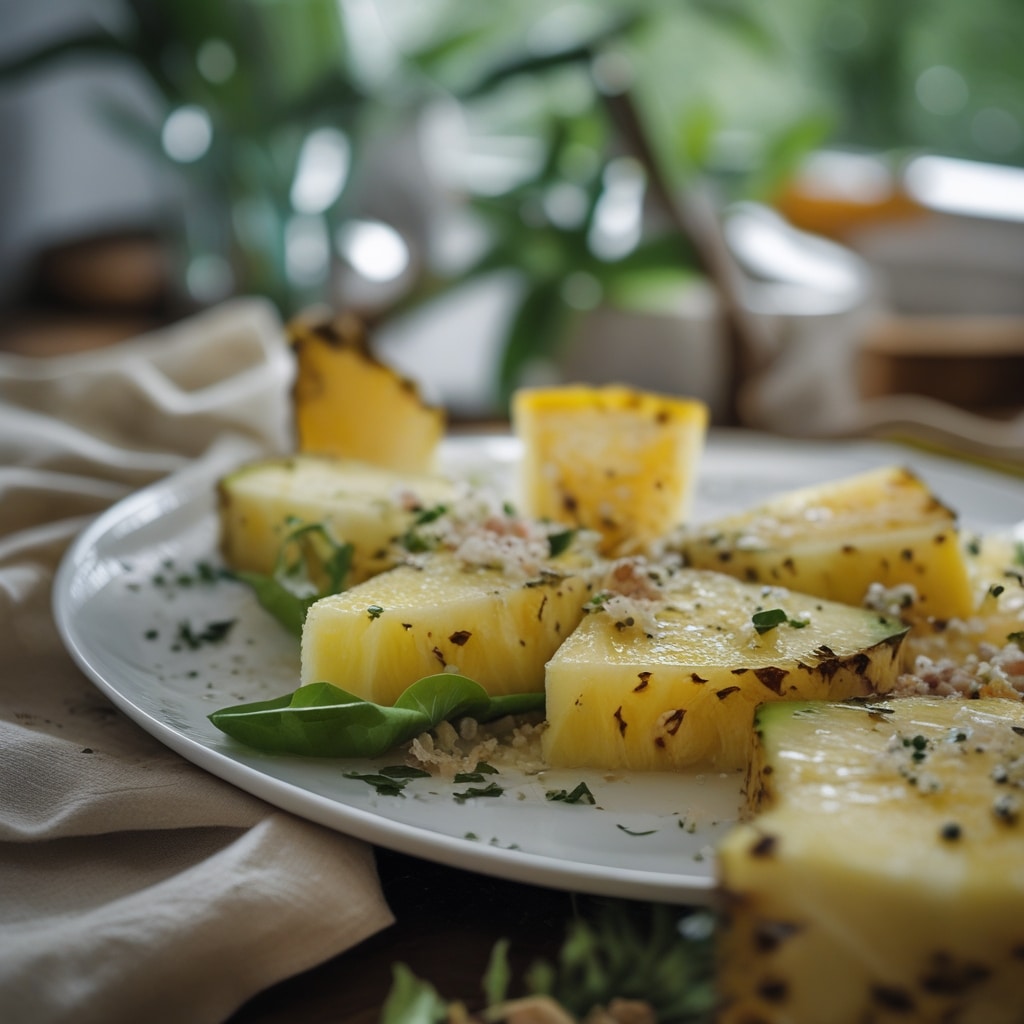
If you’re craving a dish that’s refreshing, vibrant, and packed with nutrients, the Fresh Pineapple Cucumber Salad is a perfect choice. This delightful summer salad combines the tropical sweetness of pineapple with the cool crunch of cucumber for a flavor experience that’s both satisfying and rejuvenating. It’s a powerhouse of natural hydration and vitamins, ideal for your next barbecue, light lunch, or healthy snack. In this post, you’ll discover a simple recipe that captures the essence of clean eating while embracing creativity in the kitchen. Whether you’re new to healthy salads or an experienced home chef, this guide will help you prepare, serve, and modify this dish to match your personal taste and dietary preferences—all while keeping your SEO game strong with data-driven cooking insights.
—
Step-by-Step Instructions
Making the Fresh Pineapple Cucumber Salad requires just a handful of fresh ingredients and a few minutes of prep time. Follow these steps for an easy, foolproof approach to building a salad that looks as good as it tastes.
Step 1: Gather fresh ingredients
Start by selecting ripe pineapple with a golden-yellow hue and a firm but slightly soft texture. For optimal sweetness, use pineapple that offers a fragrant aroma when you gently press its skin. Pair that with crisp English cucumbers for their thin skin and subtle flavor. You’ll also need fresh herbs like mint or cilantro, a dash of lime juice, a pinch of sea salt, and a light drizzle of extra virgin olive oil.
Step 2: Prep the pineapple
Peel the pineapple by trimming off both ends, slicing away the outer skin, and removing the brown “eyes.” Core it and cut it into bite-sized chunks. Pineapple is the centerpiece here—it brings natural sweetness and an enzyme (bromelain) that supports digestion while adding texture contrast to the salad.
Step 3: Slice the cucumber
Wash and dry the cucumbers thoroughly. Slice them thinly, maintaining consistent cuts for even distribution throughout the salad. If you prefer a less watery mixture, lightly salt the cucumber slices and let them sit for about 10 minutes to draw out excess moisture before mixing.
Step 4: Combine and toss
In a large mixing bowl, combine the pineapple chunks, cucumber slices, and your choice of herbs. Drizzle with lime juice and olive oil, then sprinkle with salt. Toss gently using two wooden spoons to prevent mashing the pineapple.
Step 5: Chill and serve
For the best flavor and texture, refrigerate your salad for at least 20 minutes before serving. This resting time allows the ingredients to absorb the dressing and enhance the overall flavor balance. Serve it cold for maximum refreshment.
—
Tips
To get the most out of your salad, here are a few expert tips drawn from culinary and nutrition research:
– Choose organic produce – Data-driven studies show that organic pineapples and cucumbers tend to have higher antioxidant levels, making them a smarter choice for health-conscious eaters.
– Balance sweetness and acidity – If your pineapple is too sweet, increase the lime juice slightly or add a splash of rice vinegar to restore balance.
– Add protein for completeness – Toss in grilled shrimp, chopped chicken breast, or crumbled feta cheese to transform this side dish into a complete meal.
– Incorporate texture – Sprinkle sesame seeds, chia, or toasted almonds for crunch. Adding seeds also enhances the omega-3 content, offering additional health benefits.
– Serve creatively – This salad pairs beautifully with spicy grilled meats or serves as a refreshing palate cleanser between heavier dishes.
From an SEO perspective, ensuring that your recipe blog post remains visually engaging is essential. Use appealing, well-lit photographs and descriptive ALT text, such as “Tropical pineapple cucumber salad in a white bowl,” to improve image search rankings. This small optimization technique significantly increases the chances of your post being discovered through voice and image-driven queries.
—
Alternative Methods
The versatility of pineapple and cucumber means there’s no single “right” way to prepare this salad. Experimenting can make your version stand out while boosting your website’s topical authority with semantic enrichment. Here are a few alternative methods worth exploring:
1. Spicy Tropical Twist
Add diced jalapeños or a pinch of chili flakes for a gentle heat that contrasts beautifully with the natural sweetness of pineapple. This variation performs exceptionally well in food searches around “spicy fruit salads” or “tropical cucumber recipes.”
2. Creamy Fusion Style
Blend Greek yogurt, lime juice, and honey to create a light dressing that coats each piece delicately. This adds creaminess and increases your recipe’s appeal to health-conscious readers searching for “low-fat creamy salads.”
3. Mediterranean Touch
Replace the herbs with fresh basil and crumble in some feta or goat cheese. Drizzle balsamic glaze across the top for a gourmet presentation. The resulting taste profile satisfies those looking for “Mediterranean salad recipes with fruit.”
4. Detox-Infused Hydration Bowl
For wellness-focused readers, integrate chia seeds, cucumber water, and diced pineapple into a mason jar for a detox-style refreshment. Highlight this version in your blog metadata to attract audiences researching “detox salad bowls” or “low-calorie hydration foods.”
5. Zero-Waste Kitchen Hack
Use leftover cores from pineapples to make infused water. Combine pineapple cores, cucumber peels, and mint for a sustainable beverage that complements your salad preparation—ideal for expanding your ranking footprint under “eco-friendly recipe ideas.”
These alternatives not only enhance your readers’ culinary options but also create opportunities for internal linking between related recipe posts, boosting session duration and on-site engagement—two critical ranking signals for modern SEO algorithms.
—
Conclusion
In summary, the Fresh Pineapple Cucumber Salad is a quick, visually stunning, and nutrient-packed dish that fits seamlessly into any diet or occasion. Its balance of sweetness, acidity, and crunch demonstrates that healthy eating doesn’t have to be complicated. Beyond its culinary charm, this recipe is a valuable tool for bloggers and digital creators looking to generate authentic engagement and organic traffic. By incorporating semantic keywords, structured sections, and high-quality visuals, you can optimize your recipe content for both people and search engines.
So next time you’re looking for an easy, show-stopping salad, reach for that ripe pineapple and crisp cucumber—you’ll not only enjoy a delightful meal but also a data-informed approach to better content visibility. Experiment, adapt, and share your unique version online to help others find inspiration through refreshing, wholesome food experiences.