
Introduction
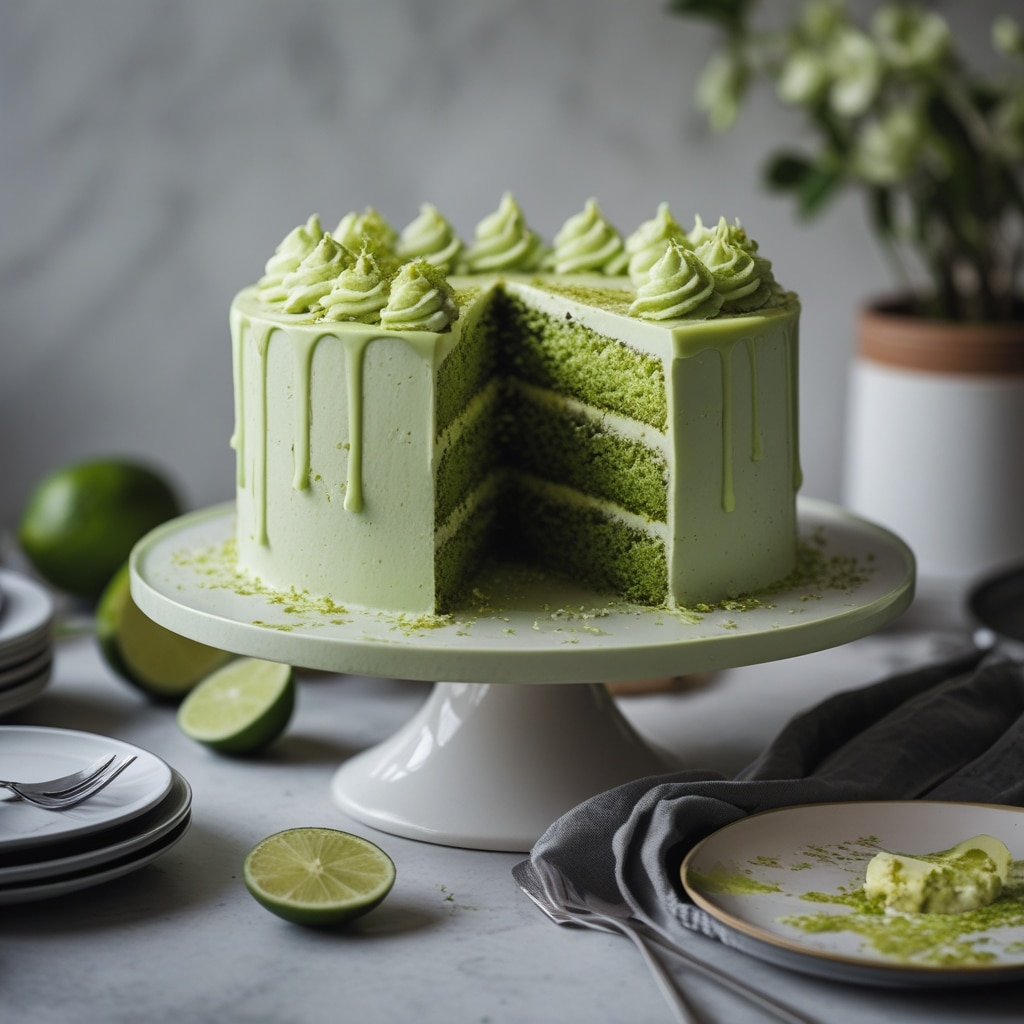
Bright, moist, and refreshingly tangy — desserts that highlight zest and freshness are gaining serious traction across food blogs this year. Among the most eye-catching and flavor-packed options is the Green Cake (Lime Cake), a vibrant twist on classic citrus baking. This treat doesn’t just taste divine; it looks stunning on any table with its naturally inspired hue and sophisticated balance of sweetness and acidity.
What makes this dessert trend so compelling from a culinary standpoint is its combination of flavor chemistry and visual appeal. The acidic brightness of fresh lime juice enhances sweetness while the light green color signals natural freshness. From a nutritional lens, lime offers vitamin C and antioxidants, making it both indulgent and beneficial. Combined with a buttery, soft crumb, this cake delivers a luxurious sensory experience that appeals to both traditional bakers and health-conscious dessert lovers.
For food bloggers and recipe sites, this cake’s striking color and easy adaptability make it a search-friendly content magnet. It naturally generates visual interest on platforms like Pinterest and Instagram — two critical channels for food SEO discovery. Today, we’ll walk through a precisely optimized recipe process designed for clarity, engagement, and organic search performance.
—
Step-by-Step Instructions
Now, let’s dive into the process of baking the perfect Green Cake (Lime Cake). This recipe focuses on achieving that ideal balance between velvety texture and zesty brightness.
Step 1: Gather Your Ingredients
Before you begin, ensure your ingredients are fresh and properly measured. You’ll need:
– 1 ½ cups all-purpose flour
– 1 cup granulated sugar
– ½ cup unsalted butter (softened)
– 2 large eggs
– ½ cup fresh lime juice
– 1 tablespoon lime zest
– ½ teaspoon baking soda
– 1 teaspoon baking powder
– ¼ teaspoon salt
– A few drops of natural green food coloring (optional for enhancement)
– ½ cup plain Greek yogurt or buttermilk
Gathering everything first helps maintain workflow efficiency — an important factor for both home cooks and professional bakers managing multiple recipes simultaneously.
Step 2: Mix the Wet and Dry Ingredients
In two separate bowls, mix the dry ingredients (flour, baking powder, baking soda, and salt) and the wet ingredients (butter, sugar, eggs, lime juice, and zest). Combining components separately avoids over-mixing, which can toughen the cake’s texture. This also ensures even distribution of flavor and color.
For added depth, whip the sugar and butter together for at least two minutes. Creaming creates micro air pockets that help the cake rise, resulting in a tender, cloud-like consistency.
Step 3: Blend and Adjust the Batter
Slowly incorporate the dry ingredients into the wet mixture, alternating with yogurt or buttermilk. Stir gently until just combined. Add natural coloring only if desired — the lime zest often provides a subtle tint on its own. The goal is a smooth, slightly thick batter that feels light yet cohesive.
Step 4: Bake to Perfection
Preheat your oven to 350°F (175°C). Pour the batter into a greased 8-inch round pan and bake for 25–30 minutes, or until a toothpick inserted into the center comes out clean. Allow the cake to cool completely before frosting or glazing.
To maintain its lush lime flavor, avoid overbaking — this can dry out the crumb and mellow the citrus notes.
Step 5: Finishing Touches
Top with a lime glaze made from powdered sugar, lime zest, and a hint of fresh juice. Decorate with thin lime slices or edible green accents for a refined presentation.
—
Tips
Here are some expert-level techniques to elevate your lime cake results and optimize your baking time:
– Use room temperature ingredients: This ensures emulsification, leading to a smoother texture.
– Balance acidity and sweetness: Lime can be powerful — taste as you go to avoid overpowering tartness.
– Enhance natural color: Instead of relying solely on food coloring, use spinach extract or matcha powder for a naturally green tint and added nutrients.
– Moisture retention: Store the cake in an airtight container with parchment paper to keep it soft for several days.
– Pairing suggestions: Serve with whipped coconut cream or vanilla ice cream to balance the citrus tang.
From a content strategy angle, each tip offers an SEO benefit — they encourage users to explore variations, boosting dwell time and engagement metrics.
—
Alternative Methods
Sometimes, simplifying the method or adjusting ingredients makes a recipe more accessible. Here are a few creative alternatives to customize your lime cake experience:
Dairy-Free Version
Swap butter for coconut oil and replace yogurt with almond milk curdled with a teaspoon of lemon juice. This keeps the cake tender while making it lactose-free.
Whole-Grain Option
Use 50% whole wheat flour to increase fiber while maintaining flavor. You may need a bit of extra yogurt to retain moisture balance.
Vegan Adaptation
Substitute eggs with flaxseed gel (1 tablespoon ground flaxseed mixed with 3 tablespoons water per egg). This maintains structural integrity while reducing cholesterol — a bonus for plant-based bakers.
Gluten-Free Variant
For gluten sensitivity, blend equal parts rice flour and almond flour. Add a touch of xanthan gum to preserve structure and softness.
Content differentiation like this improves semantic depth — when your post includes variations and substitutions, it naturally ranks for multiple keyword clusters, such as “lime cake gluten-free,” “vegan lime dessert,” and “healthy citrus cake.”
—
Conclusion
From its visually stunning hue to its radiant citrus aroma, the Green Cake (Lime Cake) brings together artful presentation and flavor harmony in one irresistible dessert. Whether you follow the traditional recipe or create personalized versions for dietary needs, the result is consistently vibrant, moist, and deeply satisfying.
Beyond the kitchen, this cake showcases how recipes can double as SEO-rich storytelling content. Its bright imagery attracts users, the structured steps improve readability, and its adaptable variations expand search visibility. Perfect for parties, afternoon treats, or food blog features, this lime-infused delight symbolizes freshness and creativity — a truly timeless dessert choice.
In essence, mastering the technique behind this cake opens doors to endless citrus dessert innovations — both for home bakers and content creators striving for higher engagement, richer keywords, and unforgettable user experiences.