
Introduction
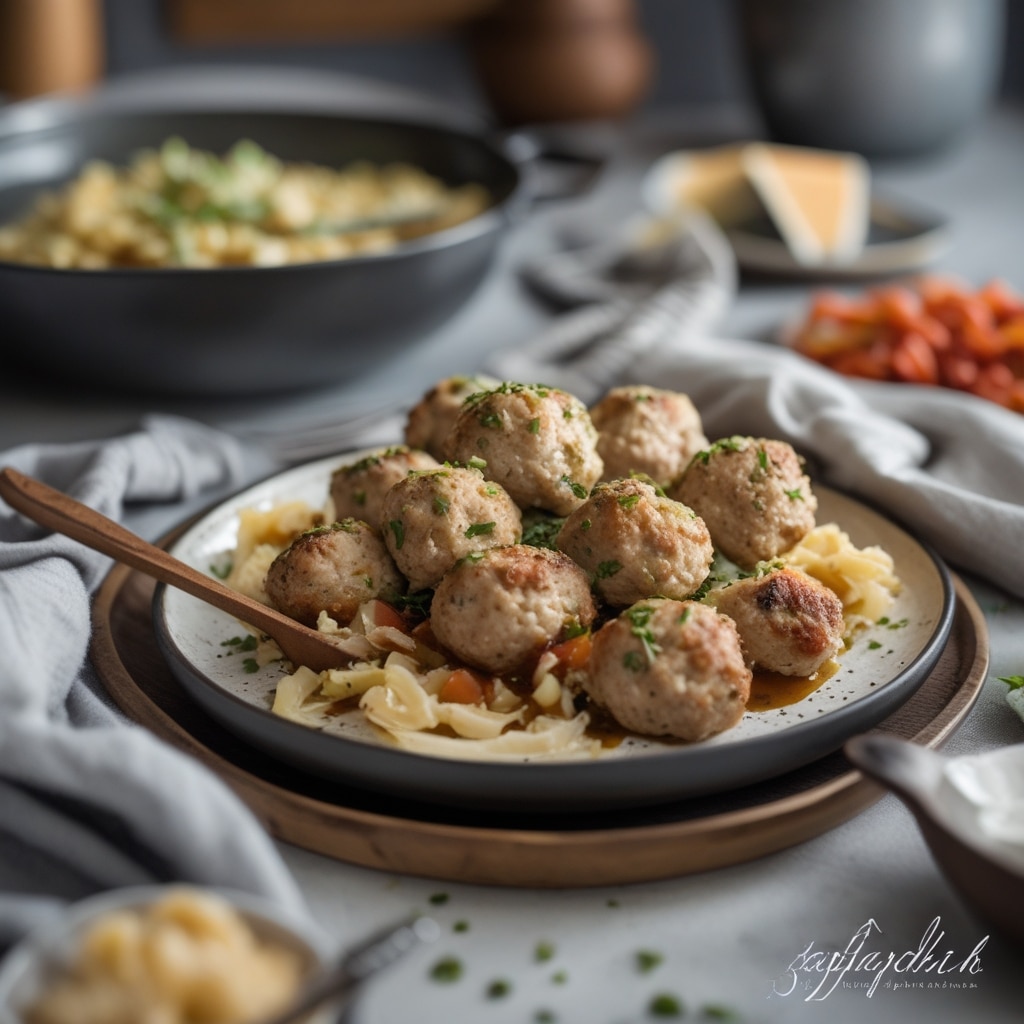
Craving a healthy, flavorful, and easy-to-make dish that fits perfectly into your low-carb lifestyle? Look no further than these Keto Turkey Meatballs. This recipe offers a deliciously satisfying alternative to traditional meatballs, with all the comforting flavors you love—minus the carbs. Perfect for meal prep, weeknight dinners, or even as a protein-packed snack, this keto-friendly option is a game changer for anyone following a ketogenic or low-carb eating plan. In this post, we’ll guide you through every step of making these juicy, tender meatballs while optimizing the process for taste, nutrition, and convenience.
Aside from their nutritional benefits, these meatballs showcase how simple swaps—like almond flour instead of breadcrumbs or ground turkey instead of beef—can dramatically improve the health profile of your favorite comfort foods. Let’s dive into the step-by-step guide that will help you create a dish full of flavor and keto-approved goodness.
—
Step-by-Step Instructions
Step 1: Gather Your Ingredients
The first step to making the perfect Keto Turkey Meatballs is ensuring you have all your ingredients ready to go. For this recipe, you’ll need:
– 1 pound ground turkey (preferably lean, around 93% lean/7% fat)
– 1/2 cup almond flour
– 1 large egg
– 2 tablespoons grated Parmesan cheese
– 2 cloves garlic, minced
– 1 tablespoon chopped fresh parsley
– 1 teaspoon onion powder
– 1 teaspoon Italian seasoning
– Salt and black pepper to taste
– 1 tablespoon olive oil (for cooking)
Having your ingredients measured and prepped before starting ensures a smoother cooking experience and a consistent texture in every meatball.
Step 2: Combine and Mix
In a large mixing bowl, combine the ground turkey, almond flour, egg, Parmesan cheese, minced garlic, and seasonings. Using your hands or a sturdy spoon, mix just until combined—be careful not to overwork the mixture, as this can lead to dense meatballs instead of light and juicy ones.
Step 3: Shape the Meatballs
Form the mixture into evenly sized balls, around 1 to 1.5 inches in diameter. To maintain consistency, use a small cookie scoop or weigh them individually. Place each formed ball onto a parchment-lined baking sheet or plate. This step helps prevent sticking and makes the next step quicker.
Step 4: Cook the Meatballs
Heat olive oil in a large skillet over medium heat. Add the meatballs in batches, making sure not to overcrowd the pan. Brown each side for about 2–3 minutes, then transfer them to an oven-safe dish. Finish cooking in a preheated oven at 375°F (190°C) for about 10–12 minutes, or until the internal temperature reaches 165°F (74°C).
You can also bake them entirely in the oven for a cleaner, oil-free version—just arrange the meatballs on a lined baking sheet and roast for about 20–25 minutes, flipping halfway through for even browning.
Step 5: Serve and Enjoy
Once cooked, remove the meatballs from the oven and let them rest for a few minutes. Serve with a keto-friendly marinara sauce, over spiralized zucchini (“zoodles”), or alongside a crisp salad. The result is a dish that’s both satisfying and guilt-free, proving that eating healthy doesn’t mean sacrificing flavor.
—
Tips
To help you perfect this recipe, here are some insider tips for enhancing both taste and texture:
1. Choose the Right Ground Turkey
Opt for a slightly higher fat content (like 93% lean) to ensure your meatballs stay juicy. Extra-lean turkey can dry out faster due to lower fat levels.
2. Don’t Skip the Parmesan
Parmesan cheese not only adds savory depth but also acts as a natural binder, keeping your meatballs cohesive without traditional breadcrumbs.
3. Adjust Seasonings
This recipe is flexible—feel free to tweak the garlic, Italian herbs, or even add a pinch of chili flakes for some heat. Customizing your seasoning helps elevate this dish to suit your taste preferences.
4. Use a Meat Thermometer
Checking for an internal temperature of 165°F ensures that your meatballs are fully cooked yet moist. Overbaking can make the texture tough, so monitor closely during cooking.
5. Meal Prep and Freeze
These meatballs freeze beautifully. Simply cook, cool, and freeze them on a tray before transferring to airtight containers. Reheat in the oven or air fryer for a quick, protein-packed meal anytime.
—
Alternative Methods
While the traditional oven and skillet method creates delicious results, there are a few other ways to prepare these meatballs depending on your kitchen setup and preferences.
Air Fryer Method
Set your air fryer to 375°F and cook for 12–14 minutes, shaking halfway through. This technique gives you perfectly browned, crisp meatballs with minimal oil.
Instant Pot Option
For a saucier version, brown the meatballs using the sauté function of your Instant Pot, then add low-carb tomato sauce and pressure cook on high for 5 minutes. Quick release and serve immediately.
Crockpot Cooking
Place browned meatballs in your slow cooker and cover them with keto marinara sauce. Cook on low for 4–5 hours, and you’ll have tender, melt-in-your-mouth results ideal for batch cooking or parties.
Grilling Twist
For summer barbecues, try grilling your meatballs on skewers. The smoky flavor pairs beautifully with fresh herbs and a drizzle of garlic butter. This adds variety and keeps your menu exciting.
—
Conclusion
In a world where healthy eating often feels restrictive, recipes like Keto Turkey Meatballs make it easy to stay on track without giving up comfort food classics. Their high-protein, low-carb profile makes them suitable for a range of diets—from strict keto followers to those simply seeking cleaner, nutrient-dense meals.
Versatile, freezer-friendly, and customizable, these meatballs transition effortlessly from weekday dinners to party appetizers, all while supporting your wellness goals. With the right ingredients and preparation, this recipe proves that flavor and fitness can go hand in hand—one delicious bite at a time.
Whether you’re new to keto lifestyle cooking or a seasoned low-carb enthusiast, make sure to add these meatballs to your go-to meal rotation. They’re proof that smart substitutions and mindful cooking can transform your diet into something both sustainable and deeply satisfying.