
Introduction
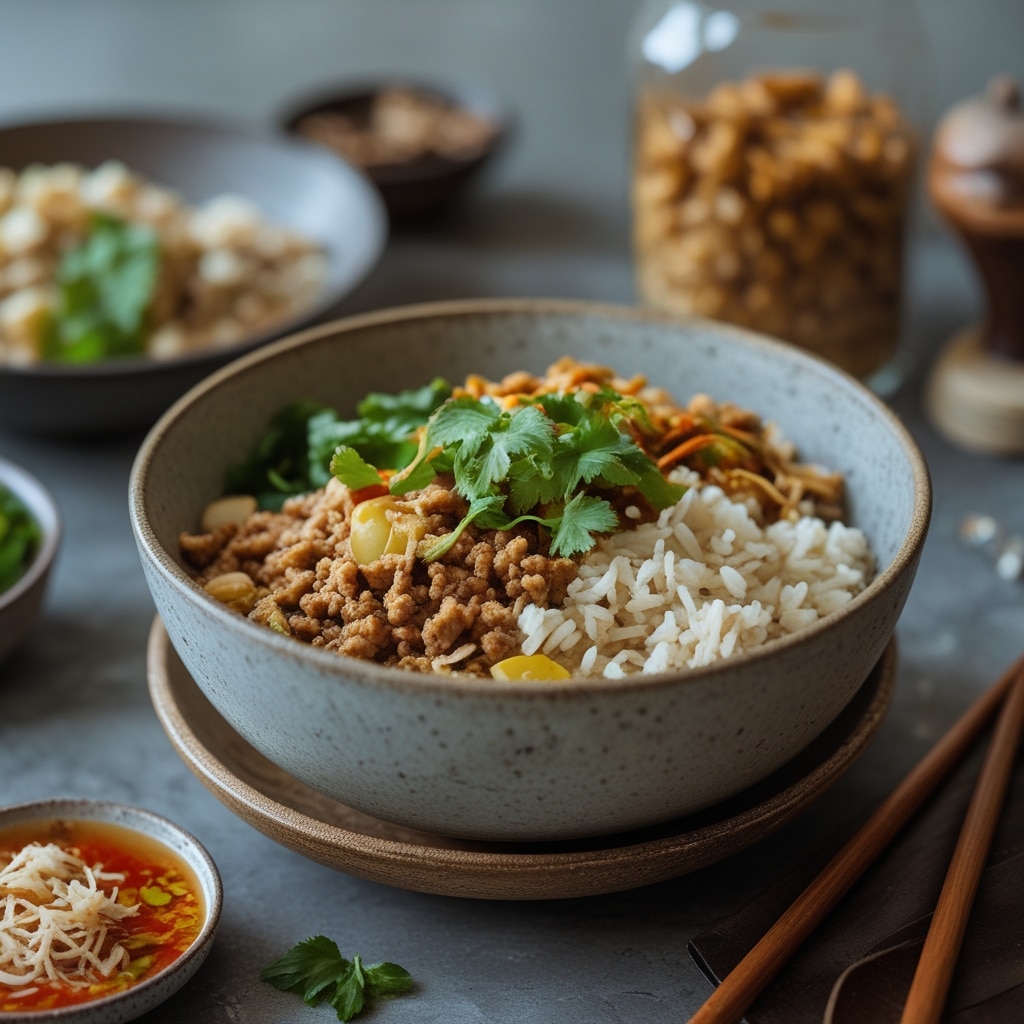
If you’re craving a savory, comforting dish that balances sweetness, saltiness, and umami, look no further than Vietnamese Ground Pork and Rice Bowls. This easy weeknight recipe brings together classic Vietnamese flavors in a single bowl — tender ground pork, aromatic herbs, and steamed rice — creating a perfect fusion of simplicity and depth. What sets this dish apart is its versatility: it’s equally delicious as a meal prep option, a quick dinner, or even a casual lunch.
From an SEO perspective, Vietnamese-inspired recipes like this one are trending strongly across food blogs and social media, especially among audiences searching for “quick Asian meals,” “healthy rice bowl dinners,” and “pork stir-fry recipes.” With its flavor-forward profile and fast preparation time, this recipe provides an evergreen opportunity for food bloggers and home cooks alike to captivate readers while improving visibility in search rankings.
Step-by-Step Instructions
Nothing beats the balance of flavors in Vietnamese Ground Pork and Rice Bowls when prepared properly. Follow these steps for a perfectly layered, restaurant-quality result every time:
1. Gather Your Ingredients
For a serving size of four bowls, you’ll need:
- 1 lb (450g) ground pork
- 2 cups cooked jasmine rice
- 2 tablespoons fish sauce
- 1 tablespoon soy sauce
- 1 tablespoon brown sugar
- 3 cloves garlic, minced
- 1 small onion, finely chopped
- 1 tablespoon neutral oil (such as canola or vegetable)
- 1 teaspoon grated ginger
- Fresh herbs (cilantro, mint, Thai basil)
- Pickled carrots and cucumbers for garnish
- Lime wedges for serving
2. Cook the Rice
Start by steaming or cooking your jasmine rice according to package directions. For that signature fluffy texture, rinse the rice thoroughly before cooking. Keep it warm — the rice will serve as the foundation that absorbs all the aromatic juices from the pork.
3. Sauté the Aromatics
In a large skillet or wok, heat the oil over medium-high heat. Add minced garlic, onion, and grated ginger. Stir until fragrant, about 1–2 minutes. This aromatic base is essential for capturing authentic Vietnamese flavor.
4. Brown the Pork
Add the ground pork to the skillet, breaking it apart with a spatula. Cook for 5–7 minutes until browned and slightly crispy around the edges. Browning enhances flavor through caramelization, bringing out the natural sweetness of the pork.
5. Season the Mixture
Once the pork is fully cooked, pour in fish sauce, soy sauce, and brown sugar. Stir well to coat evenly. Allow the liquids to simmer for another 2 minutes, so the sauce slightly thickens. Taste test and adjust seasoning to balance saltiness and sweetness according to your preference.
6. Assemble the Bowls
Scoop warm rice into individual bowls, top with the seasoned ground pork, and finish with an abundance of fresh herbs. Add pickled vegetables for crunch and acidity, and drizzle a squeeze of lime juice on top. Finally, garnish with thinly sliced chili peppers if you enjoy heat.
Tips
Enhancing Flavor Naturally
For maximum flavor, don’t rush the browning stage. Let the pork develop golden, slightly crispy edges for that deep umami aroma. If desired, add a dash of sesame oil toward the end of cooking for a subtle nutty note.
Balancing Texture and Color
In traditional Vietnamese cuisine, texture contrast is key. Aim for a combination of tender meat, fluffy rice, and crisp vegetables. Vibrant garnishes not only make your bowl visually appealing but also signal freshness to readers and eaters alike — an important visual cue for blog photography and social sharing.
Meal Prep and Storage
This recipe works wonderfully for meal prep. Store the pork separately from the rice to prevent sogginess, and refrigerate for up to three days. Reheat on the stove or microwave before assembling. Keep fresh herbs and pickled vegetables in airtight containers until serving time.
Alternative Methods
1. Using Chicken, Turkey, or Tofu
While ground pork is traditional, this recipe easily adapts to ground chicken, turkey, or even firm tofu. For a vegetarian twist, use soy sauce instead of fish sauce and add a dash of hoisin for depth. You’ll still achieve the same savory-sweet balance that defines Vietnamese cuisine.
2. Low-Carb or Whole-Grain Versions
Swap jasmine rice for cauliflower rice or brown rice depending on dietary needs. Cauliflower rice lowers carbohydrates while still absorbing the flavorful sauce, while brown rice adds a nutty texture and extra fiber for a whole-grain variation.
3. Flavor Variation: Lemongrass Twist
In northern Vietnam, cooks often infuse ground meat with lemongrass for an aromatic lift. Adding two tablespoons of finely minced lemongrass during the sauté stage transforms this dish into a fragrant, spa-like experience.
4. One-Pan Rice Bowl Method
For those who value simplicity, cook the rice and pork mixture together in the same pan using pre-cooked day-old rice. This “fried rice” variation captures the same flavor profile with fewer dishes — perfect for busy weeknights.
Conclusion
Few meals deliver such a satisfying balance of flavor, texture, and convenience as Vietnamese Ground Pork and Rice Bowls. This dish embodies modern comfort food while honoring the vibrant culinary traditions of Vietnam — sweet, salty, fragrant, and always satisfying. Whether you’re a food blogger looking to share a standout recipe, a busy parent searching for an efficient dinner idea, or a home chef eager to expand your repertoire, this bowl checks all the boxes.
From a search-optimized perspective, incorporating culturally specific recipes like this one allows your content to tap into high-intent keyword clusters related to “quick Vietnamese meals” and “Asian rice bowls.” By building authority through consistent, high-quality writing and smart semantic optimization, your blog can attract sustained organic traffic while offering readers the nourishment and inspiration they crave.
Ultimately, the key takeaway for both food lovers and content creators is simple: thoughtful storytelling and authentic culinary execution go hand in hand. These bowls don’t just fill your stomach—they tell a delicious story worth sharing and revisiting time and again.