
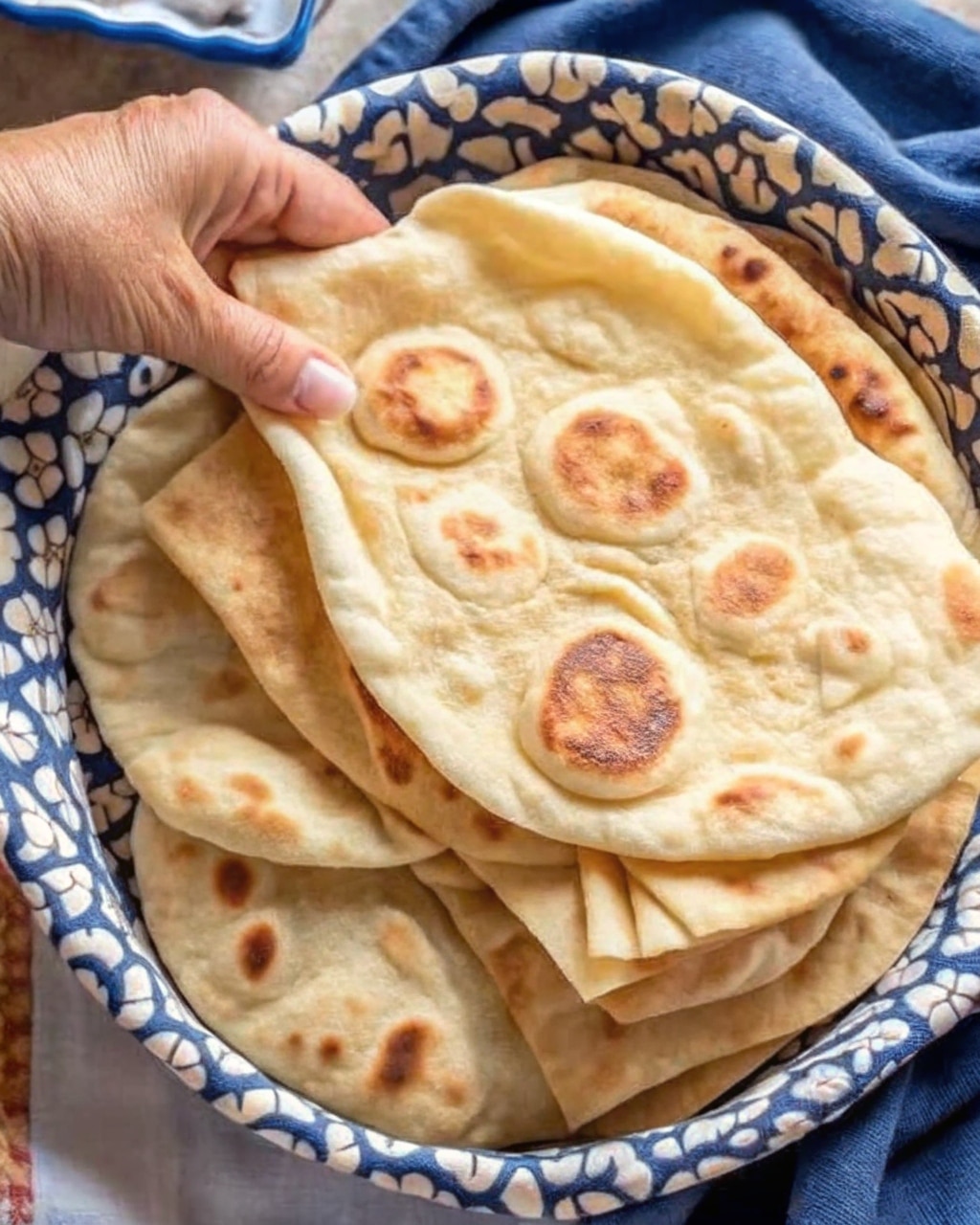
When I first tasted lavash bread in a small Armenian bakery tucked in Los Angeles, it instantly reminded me of Kyoto mornings—soft light spilling across wooden counters, the smell of rice flour in my grandmother’s hands. The baker slid a paper-thin flatbread out of the clay oven; it was tender, warm, and whisper-soft. When I tore a piece, steam escaped like a sigh. That simple moment—watching a century-old tradition unfold—stayed with me.
Years later, in my cozy California kitchen, I found myself recreating that same feeling. The dough felt familiar beneath my fingers, much like the way my mother shaped onigiri back home—gentle yet certain. This lavash bread recipe became more than just food; it was a connection between cultures, a reminder that comfort often starts with flour and patience.
Unlike store-bought versions, homemade lavash is soft, flexible, and full of character. It’s easy to make, quick to cook, and deeply rewarding. You don’t need a tandoor oven—just a skillet, a bit of time, and your hands. Once you try this, you’ll never want packaged flatbread again.
This lavash bread recipe blends Armenian tradition with the simplicity of Japanese home cooking—honest, balanced, and meant to be shared. Whether you use it for wraps, pair it with hummus, or enjoy it warm from the pan, lavash will always taste like love made tangible.
Ingredients – The Heart of Lavash Bread
Every traditional lavash bread recipe begins with seven humble ingredients, yet each plays a key role in creating that signature soft and flexible texture.
| Ingredient | Quantity | Purpose |
|---|---|---|
| All-purpose flour | 3½–4 cups | The foundation of structure and chew |
| Warm water | ¾ cup | Activates yeast and hydrates dough |
| Warm milk | ¾ cup | Adds tenderness and subtle sweetness |
| Active dry yeast | 2 tsp | Helps the dough rise and stay light |
| Olive oil | 1 tbsp | Keeps the dough soft and flavorful |
| Honey | 1 tsp | Feeds the yeast and adds a gentle sweetness |
| Salt | 1½ tsp | Balances flavor and strengthens gluten |
Chef’s Note:
If you want lavash that’s extra chewy, replace half of the flour with bread flour. For lighter, wrap-style lavash, stick with all-purpose flour.
These simple pantry staples create a dough that’s soft enough to wrap yet sturdy enough to hold fillings. Once you master this foundation, the rest is pure joy.
Step-by-Step Method for Soft, Flexible Flatbread
- Activate the yeast.
In a medium bowl, combine warm water, warm milk, olive oil, and honey. Stir in the yeast and let it sit for 5–10 minutes until frothy. This step wakes up the yeast and builds structure for softness. - Mix the dough.
In a large bowl, whisk together the flour and salt. Pour in the yeast mixture. Using your hands or a stand mixer with a dough hook, knead until the mixture forms a smooth, elastic dough—about 7 minutes by mixer or 10 minutes by hand. - Let it rise.
Shape the dough into a ball, lightly coat it with oil, and place it back in the bowl. Cover with plastic wrap or a damp cloth. Set aside in a warm place for about 1 hour or until doubled in size. - Divide and rest.
Punch the dough down gently to release air. Divide it into 12 equal pieces for small lavash or 6 pieces for larger wraps. Cover them with a towel and let rest for 10–15 minutes. This rest makes the dough easier to roll. - Roll it out.
On a floured surface, roll each piece into a thin circle—almost transparent. The thinner you go, the more authentic your lavash will be. - Cook the lavash.
Heat a non-stick skillet or griddle over medium heat. Lightly brush it with olive oil. Lay the rolled dough onto the surface and cook for 45–60 seconds until bubbles form and golden spots appear underneath. Flip and cook the other side for 30–40 seconds. - Keep it soft.
Transfer each cooked lavash to a plate and cover immediately with a towel. This traps the steam, keeping the bread tender and flexible. Stack new pieces on top as you go. - Serve or store.
Serve your lavash bread warm with dips, stews, or as a wrap. If storing, place in an airtight bag once cooled, or freeze between parchment sheets for later use.
Pro Tips from My Kitchen
- For extra pliable lavash, refrigerate the dough overnight after its first rise. The long rest relaxes the gluten, making it easier to roll thin.
- Avoid overcooking—the bread should be pale with a few golden spots, not crisp.
- Brush lightly with olive oil before serving for a soft sheen and added flavor.
For more holiday inspiration, I also love making Crawfish Bread on Christmas Eve—it brings a bold, savory bite to contrast the sweetness of this loaf.
Serving & Storage — Bringing It to the Table
The beauty of lavash bread lies in its versatility. It’s a canvas for creativity, wrapping itself around whatever you love most. When I first made lavash for a family dinner in California, I served it warm, stacked under a clean cotton towel. My husband layered his with grilled chicken and hummus, while my son filled his with avocado and miso mayo—a fusion that would’ve made my Kyoto grandmother smile.
Fresh off the skillet, lavash is soft, flexible, and aromatic. The moment you pull one apart, you’ll understand why it’s been a staple in Armenian and Middle Eastern kitchens for centuries. Every bite tastes like simplicity perfected.
How to Serve Lavash Bread
- As a Wrap: Spread hummus or Miso Glazed Chicken on warm lavash, add crisp veggies, roll it tightly, and slice diagonally for easy handheld wraps.
- With Dips: Tear lavash into pieces and pair with Homemade Hummus, baba ganoush, or tzatziki. The bread’s softness soaks up every flavor.
- For Chips: Cut lavash into triangles, brush with olive oil, sprinkle with sesame seeds or za’atar, and bake until crisp. Perfect for snacks or entertaining.
- Pizza Base: Use it as an instant thin crust—spread tomato sauce, cheese, and vegetables, then bake for 8 minutes until bubbling.
For a more Japanese-inspired twist, brush your lavash with soy butter and sesame oil before grilling lightly—it adds an umami depth that bridges cultures beautifully.
Storage Tips to Keep It Fresh
Homemade lavash bread is best enjoyed fresh, but with care, you can savor it for days.
- Room Temperature: Store in a sealed bag for up to 2 days.
- Freezer: Stack lavash between parchment paper, place in a freezer bag, and freeze for up to one month.
- Reheating: To revive softness, sprinkle lightly with water, cover with foil, and warm in a 300°F oven for 5–7 minutes.
Lavash bread adapts beautifully to every meal. It can cradle kebabs, scoop up curries, or even hold ice cream for a playful dessert wrap. However you serve it, the joy is in its simplicity—humble ingredients turned into something to share, something that feels like home.
Nutrition — The Light Side of Lavash
One of the reasons I fell in love with lavash bread is its simplicity—not just in flavor but in nutrition too. It’s light, nourishing, and free from unnecessary fats or sugars. When you make it at home, you control every ingredient, ensuring a bread that’s as wholesome as it is delicious.
Each piece of lavash is thin yet satisfying, providing steady energy without heaviness. It’s ideal for wraps, light lunches, or pairing with soups and dips. Whether you’re watching your calories or just prefer clean, honest food, this bread fits seamlessly into any diet.
Simple, Wholesome Nutrition
Here’s what one serving (1 small lavash) typically provides:
| Nutrient | Amount | Benefit |
|---|---|---|
| Calories | 156 kcal | Light and energizing |
| Carbohydrates | 29 g | Provides natural energy |
| Protein | 4 g | Supports muscle repair |
| Fat | 2 g | Adds softness without heaviness |
| Sodium | 298 mg | Balanced flavor |
| Fiber | 1 g | Aids digestion |
| Calcium | 25 mg | Supports bone health |
| Iron | 2 mg | Boosts oxygen flow |
Lavash bread is naturally low in fat, free of eggs, and easy to make vegan—just substitute milk with warm water. For extra fiber and a nuttier flavor, try replacing half the flour with whole wheat.
When compared to other flatbreads like tortillas or naan, lavash stands out for its lightness and adaptability. It’s soft enough for wraps yet firm enough for toasting. That balance is what makes it a staple across cultures.
Smart Ways to Enjoy Lavash Guilt-Free
- For Breakfast: Fill with scrambled eggs, spinach, and feta for a protein-rich start.
- For Lunch: Use it instead of sandwich bread—roll with grilled chicken or tofu and veggies.
- For Dinner: Serve alongside hearty stews or roasted vegetables for a lighter alternative to rice.
- For Dessert: Brush with butter, sprinkle with cinnamon and sugar, and toast until golden.
Homemade lavash bread nourishes not just your body but your spirit. It’s food that feels good—simple, flexible, and deeply connected to heritage.
FAQs — Everything You Need to Know About Lavash Bread
1. What ingredients are needed to make lavash bread?
To make authentic lavash bread, you only need simple pantry staples: all-purpose flour, warm water, milk, yeast, olive oil, honey, and salt. These seven ingredients create a soft, flexible dough that bakes into a light, chewy flatbread perfect for wraps or dips.
2. Is lavash bread hard or soft?
Freshly made lavash bread is soft, pliable, and slightly chewy. When stored uncovered or baked longer, it turns crisp—making it versatile for both wraps and crackers. The softness depends on how long it’s cooked and how it’s stored after baking.
3. Do you need yeast to make lavash bread?
Yes, this recipe uses yeast to create a soft and slightly airy texture. However, traditional Armenian versions sometimes omit yeast, resulting in an unleavened variation known as yufka in Turkish cuisine. Using yeast makes your lavash lighter and more flexible.
4. How do you get lavash bread soft and flexible?
Cook the lavash just until golden with light brown spots, then immediately cover it with a towel. The trapped steam keeps the bread soft and bendable. For extra pliability, you can brush it with olive oil or sprinkle lightly with water before serving.
If you’re in the mood for new bread adventures, the Sourdough Cottage Cheese Pancakes or Cottage Cheese Blueberry Cloud Bread on Greaty Recipes are creative twists to consider!
Conclusion — A Bridge Between Cultures and Comfort
Lavash bread may have originated in the clay ovens of Armenia, but it’s found a forever home in kitchens around the world—including mine. Every time I roll out a sheet of dough, I feel connected to generations of bakers who turned the simplest ingredients into sustenance and love.
This lavash bread recipe is proof that food transcends borders. Its softness mirrors Japanese gentleness, and its aroma carries the warmth of Mediterranean sun. Whether you pair it with dips, fill it with fresh vegetables, or simply enjoy it plain and warm, lavash invites you to slow down and savor life’s simplest joys.
Make a batch this weekend. Tear it, wrap it, share it. Because like every good story, the best bread is meant to be passed from hand to hand, heart to heart.
Print
Lavash Bread Recipe: Soft, Authentic Armenian Flatbread You’ll Love
- Total Time: 1 hr 30 mins
- Yield: 12 lavash 1x
- Diet: Vegetarian
Description
Soft, homemade lavash bread recipe with authentic Armenian flavor—perfect for wraps, dips, and everyday meals.
Ingredients
3½–4 cups all-purpose flour
¾ cup warm water
¾ cup warm milk
2 tsp active dry yeast
1 tbsp olive oil
1 tsp honey
1½ tsp salt
Instructions
1. Activate yeast in warm water, milk, olive oil, and honey for 5–10 minutes.
2. Mix flour and salt; combine with yeast mixture.
3. Knead until smooth and elastic.
4. Let rise 1 hour until doubled.
5. Divide into 12 pieces; rest 10 minutes.
6. Roll thin; cook on skillet 45–60 seconds per side.
7. Cover with towel to keep soft.
Notes
Substitute milk with water for a vegan version. Store in sealed bag 2 days or freeze 1 month.
- Prep Time: 20 mins
- Cook Time: 10 mins
- Category: Bread
- Method: Stovetop
- Cuisine: Armenian, Mediterranean
Nutrition
- Serving Size: 1 piece
- Calories: 156
- Sugar: 1g
- Sodium: 298mg
- Fat: 2g
- Saturated Fat: 1g
- Unsaturated Fat: 1g
- Trans Fat: 0g
- Carbohydrates: 29g
- Fiber: 1g
- Protein: 4g
- Cholesterol: 2mg