
Introduction
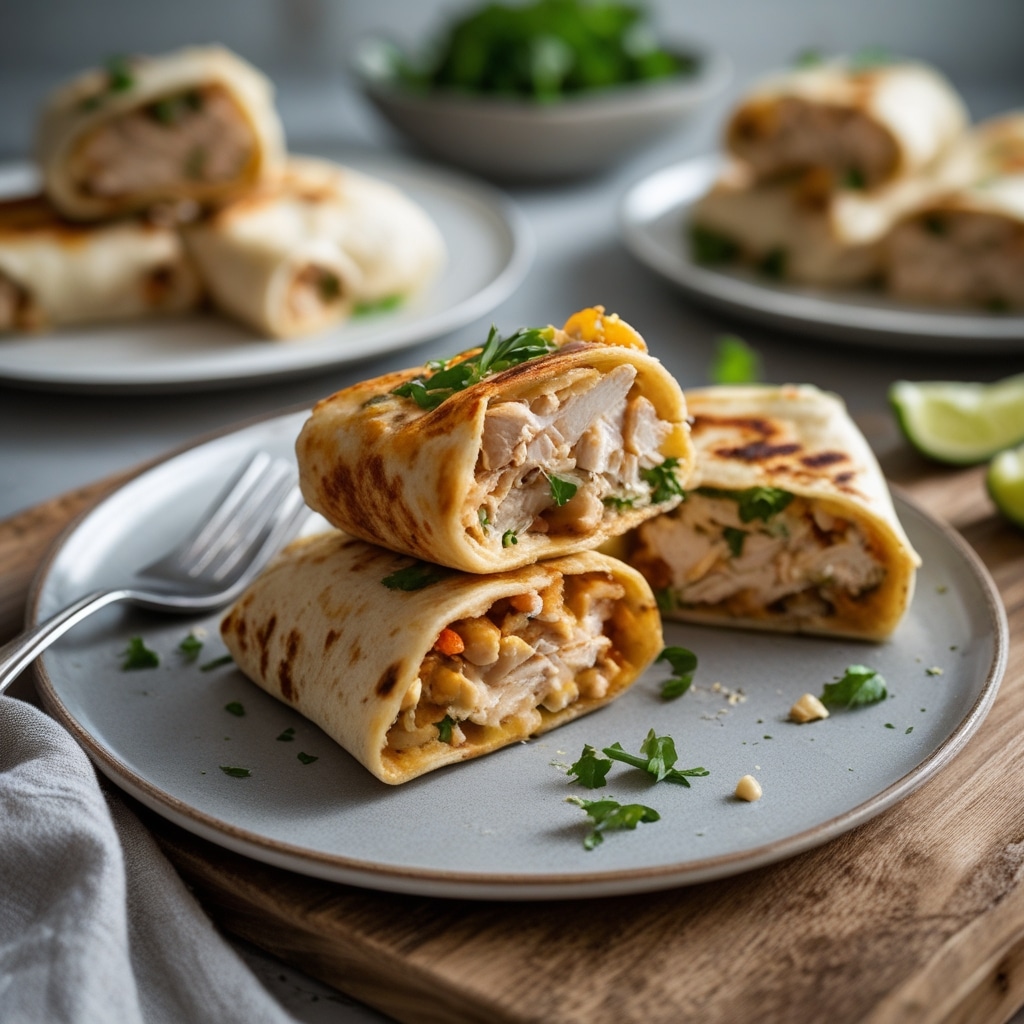
Creating a meal that’s both quick to prepare and satisfying can often be a challenge, especially when you’re short on time but wanting a fresh, flavorful bite. That’s where Mini Chicken Wraps come in — a delicious, bite-sized option that combines protein-rich chicken, crisp vegetables, and zesty sauces all rolled into a convenient tortilla. These wraps are ideal for busy weeknights, school lunches, or party platters. They deliver big flavors in small portions, offering versatility for different dietary preferences and occasions.
Beyond their culinary appeal, mini wraps like these have gained traction in search trends related to “healthy lunch ideas,” “high-protein snacks,” and “easy chicken recipes.” For content creators and food bloggers, this type of recipe not only satisfies audiences but also aligns with search intent that drives organic traffic from meal-planning enthusiasts.
—
Step-by-Step Instructions
Preparing Mini Chicken Wraps doesn’t require culinary expertise — just a bit of organization and a focus on assembling fresh ingredients with balance and texture. Below is a simple yet detailed method to make perfectly portioned wraps that burst with flavor.
Step 1: Gather Your Ingredients
Start by collecting the following essentials: cooked and shredded chicken breast, small flour or whole-wheat tortillas, lettuce leaves, sliced cucumbers, cherry tomatoes, shredded carrots, avocado slices, and your choice of sauce (like ranch, Caesar, or Greek yogurt dressing). If you’d like more spice, include jalapeño slices or a drizzle of sriracha mayo.
Step 2: Prepare the Chicken
If you’re starting from raw chicken, season it with smoked paprika, garlic powder, salt, and pepper. Grill or sauté the chicken until it’s cooked through and slightly golden. Allow it to rest, then shred or dice it into small, bite-sized pieces.
Step 3: Create the Base Layer
Lay the tortillas flat on a clean surface. Spread a thin layer of your chosen sauce over each tortilla, leaving about an inch at the edges uncoated to prevent overflow.
Step 4: Add the Fillings
Place lettuce, shredded chicken, and veggies evenly across the tortilla. Try layering the ingredients so that each bite offers a combination of textures — the crispness of vegetables, the tenderness of chicken, and the creaminess of sauce.
Step 5: Roll and Secure
Tightly roll each tortilla into a cylinder, then slice it in half or into thirds for the ideal “mini” size. Secure them with toothpicks if serving them as appetizers. For a more structured wrap, you can warm the tortilla for 10 seconds before rolling — the heat helps seal the edges naturally.
Step 6: Serve and Enjoy
Arrange your mini wraps on a platter, garnish with chopped herbs, and serve with dipping sauce on the side. These wraps can be enjoyed warm, at room temperature, or chilled depending on your preference.
—
Tips
Creating delicious wraps is all about balancing nutrition and convenience. Here are a few pro tips to refine your technique and flavor combinations:
– Use lean proteins: Chicken breast is a low-fat option, but you can also use leftover roasted chicken or even chicken tenders for additional crunch.
– Add texture: Including ingredients like cucumber, shredded cabbage, or even crispy chickpeas can elevate the mouthfeel of your wraps.
– Choose the right sauce: For a healthier version, opt for a Greek yogurt-based dressing. If you prefer something bold and smoky, barbecue sauce or chipotle mayo can be excellent choices.
– Prep in bulk: These wraps are easy to make in large batches, making them perfect for meal prep or catering events. Wrap them tightly in foil or parchment paper and store them in the refrigerator for up to three days.
– Make it colorful: Colorful vegetables not only make the plate more appealing but also enhance nutritional value. Aim for a mix of greens, reds, and oranges for optimal presentation.
—
Alternative Methods
If you’d like to experiment beyond the classic approach, try these variations to customize your wraps and expand your recipe potential.
1. Air-Fried Option
Instead of assembling raw tortillas, try crisping them lightly in an air fryer for about two minutes before filling. The slight crunch transforms the wraps into finger-friendly, snackable bites.
2. Vegetarian Twist
Replace chicken with marinated tofu, chickpeas, or grilled mushrooms. Add hummus or tahini dressing for richness without losing protein or flavor intensity.
3. Low-Carb Variation
For keto-friendly eaters, swap the tortilla for large lettuce leaves or low-carb wraps. You’ll preserve the satisfying crunch while minimizing calories and carbs.
4. Dairy-Free or Gluten-Free Alternatives
Opt for coconut cream or avocado-based dressings in place of dairy sauces. Gluten-free tortillas made from cassava or almond flour retain the structure and reduce allergens.
5. Mediterranean Style
Add olives, feta cheese, and roasted red peppers for a Mediterranean-inspired wrap. Drizzle some lemon-garlic sauce to tie the ingredients together beautifully.
These alternatives not only make your content more appealing to diverse audiences but also improve SEO reach by matching search intent for different dietary categories.
—
Conclusion
Whether you’re prepping quick lunches, hosting a casual get-together, or looking for a portable post-workout meal, Mini Chicken Wraps deliver convenience without sacrificing flavor. Their customizable nature allows you to experiment with sauces, vegetables, and preparation methods, ensuring there’s an option for everyone at the table.
From a blogging and SEO perspective, highlighting easy handheld meals like mini wraps can boost interaction rates thanks to their shareable appeal and visual attractiveness. Pair this recipe with vibrant photos, optimize your meta descriptions with related search phrases (like “healthy wraps,” “quick chicken meals,” and “party appetizers”), and ensure internal links point users to complementary dishes or meal-planning guides.
Ultimately, these wraps aren’t just an easy kitchen fix — they’re a creative opportunity to engage your readers and increase content discoverability. By blending taste with optimization strategy, you can serve both your audience’s appetite and your site’s performance on the digital table.