
Introduction
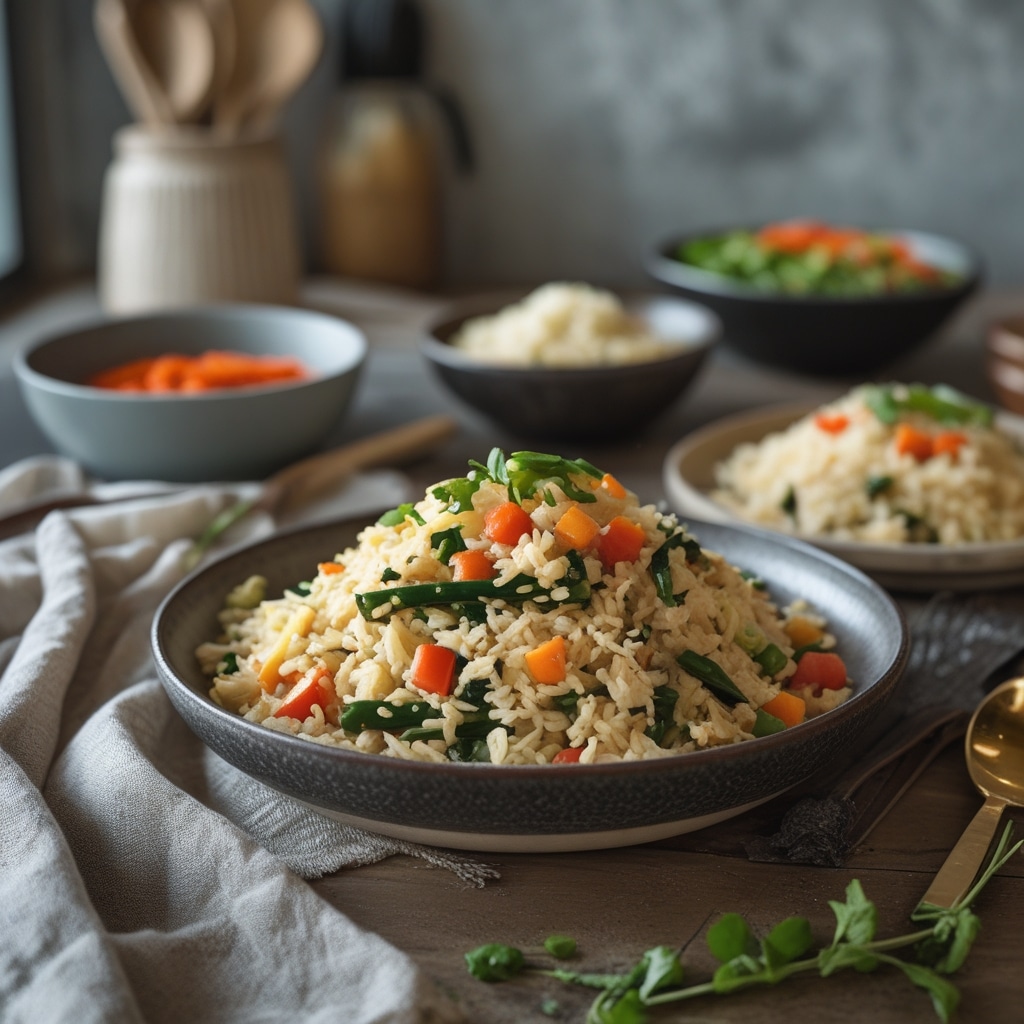
Cooking at home doesn’t have to be complicated or time-consuming. If you’re looking for a quick, healthy, and flavor-packed meal that works for lunch, dinner, or even meal prep, then Veggie Fried Rice is one recipe that never disappoints. This vibrant dish combines the best of both worlds: nutritious vegetables and satisfying grains, all tossed together with aromatic seasonings. In this post, we’ll explore exactly how to make this plant-based favorite, with detailed instructions, practical tips, and creative variations that enhance both the flavor and nutritional value. Whether you’re a novice in the kitchen or a seasoned home cook, this guide will help you create fried rice that’s delicious, balanced, and perfectly customizable to your taste.
—
Step-by-Step Instructions
The key to a great fried rice recipe lies in preparation, timing, and technique. Follow these easy steps to achieve the perfect texture, color, and taste for your Veggie Fried Rice.
Step 1: Prepare Your Ingredients
Start by prepping your vegetables. Dice carrots, bell peppers, onions, and any other veggies you enjoy. Common additions include peas, corn, and broccoli florets. The goal is to have an assortment of colors and textures. You’ll also need cooked rice — ideally, rice that’s been chilled for several hours or overnight, as cold rice helps prevent clumping.
Step 2: Heat the Pan Properly
Use a wok or a large skillet over medium-high heat. The high surface area ensures even cooking and prevents soggy rice. Add a small amount of neutral oil such as avocado, canola, or sesame oil for that rich, toasty depth of flavor.
Step 3: Sauté Aromatics
Begin by sautéing onions, garlic, and ginger until fragrant. This creates the flavor foundation of the dish. Once the aroma fills your kitchen, you can add other vegetables, starting with the ones that take longer to cook.
Step 4: Add Vegetables in Sequence
Layer cooking times strategically: start with carrots, followed by peppers, snap peas, and softer ingredients like spinach or mushrooms last. Stir-fry swiftly to maintain a crisp-tender texture.
Step 5: Incorporate Rice
Add your cooked rice to the pan and break apart any lumps with a spatula. Make sure every grain gets a light coat of oil for that signature fried texture. Toss continuously to allow the rice to absorb the flavors of the vegetables and seasonings.
Step 6: Season to Perfection
Now comes the fun part—seasoning. Combine soy sauce (or tamari for a gluten-free option), a dash of toasted sesame oil, and a hint of rice vinegar for tang. For extra depth, add a splash of chili oil or sprinkle in some black pepper. Mix thoroughly but gently to keep the rice fluffy.
Step 7: Finish with Garnishes
Once heated through, remove from the stove and sprinkle freshly chopped green onions or cilantro on top. You can also add sesame seeds or a drizzle of extra soy sauce before serving.
From start to finish, each step reinforces the balance of flavor and texture that makes this dish a household favorite. Served warm, it pairs beautifully with grilled tofu, baked tempeh, or your favorite stir-fry sauce.
—
Tips
Perfecting Texture and Flavor
1. Use day-old rice: Freshly cooked rice contains too much moisture, leading to a mushy consistency. Refrigerated rice gives you a crisp, stir-fried texture.
2. Don’t overcrowd the pan: Stir-frying works best when the ingredients have enough room to move around. Cook in batches if necessary.
3. Balance salt and umami: Soy sauce, hoisin, or even miso paste can enhance depth, but avoid going overboard. Taste as you go.
4. Allow rice to rest before serving: Off heat, letting the fried rice rest for a minute or two helps the flavors settle.
Boosting Nutrition
– Add edamame or tofu to increase plant-based protein.
– Stir in leafy greens such as spinach, kale, or bok choy during the final moments of cooking.
– Choose brown rice, quinoa, or cauliflower rice for added fiber and fewer calories.
These small adjustments can enhance your meal’s nutritional quality without sacrificing flavor.
—
Alternative Methods
Using a Non-Stick Pan or Air Fryer
If you don’t have a wok, a high-quality non-stick pan will work just as well. You can even experiment with an air fryer by combining cooked rice and veggies in a heat-safe dish, spritzing lightly with oil, and cooking for 8–10 minutes at 375°F to achieve a crispy finish.
Turning It into a One-Pot Meal
Try cooking everything in one go by sautéing your vegetables first, then adding uncooked rice and broth. Cover and simmer until the rice is done. This approach infuses the flavors more deeply but may yield a softer texture compared to traditional stir-frying.
Creative Variations
– Thai-Inspired: Add lemongrass, Thai basil, and a squeeze of lime.
– Spicy Korean-Twist: Mix in kimchi and gochujang for heat and tang.
– Mediterranean Fusion: Include olives, cherry tomatoes, and a sprinkle of feta (for a non-vegan version).
Each of these adaptations introduces bold new profiles while maintaining the core principles of classic fried rice.
—
Conclusion
A bowl of Veggie Fried Rice proves that wholesome eating doesn’t have to compromise on taste or creativity. With the right combination of fresh vegetables, thoughtfully layered flavors, and a few smart cooking techniques, this recipe transforms everyday ingredients into something extraordinary. It’s an approachable, versatile dish that works as a complete meal on its own or as a side for your favorite Asian-inspired entrée.
Incorporating simple meals like fried rice into your weekly rotation is not only convenient but also a great way to reduce food waste—since nearly any leftover vegetable or grain can find a second life in the wok. With these steps, tips, and variations, you now have the tools to master a timeless recipe that’s as nourishing as it is satisfying.
Ready your wok, gather your ingredients, and bring vibrant, flavorful comfort straight to your table—one delicious spoonful at a time.