
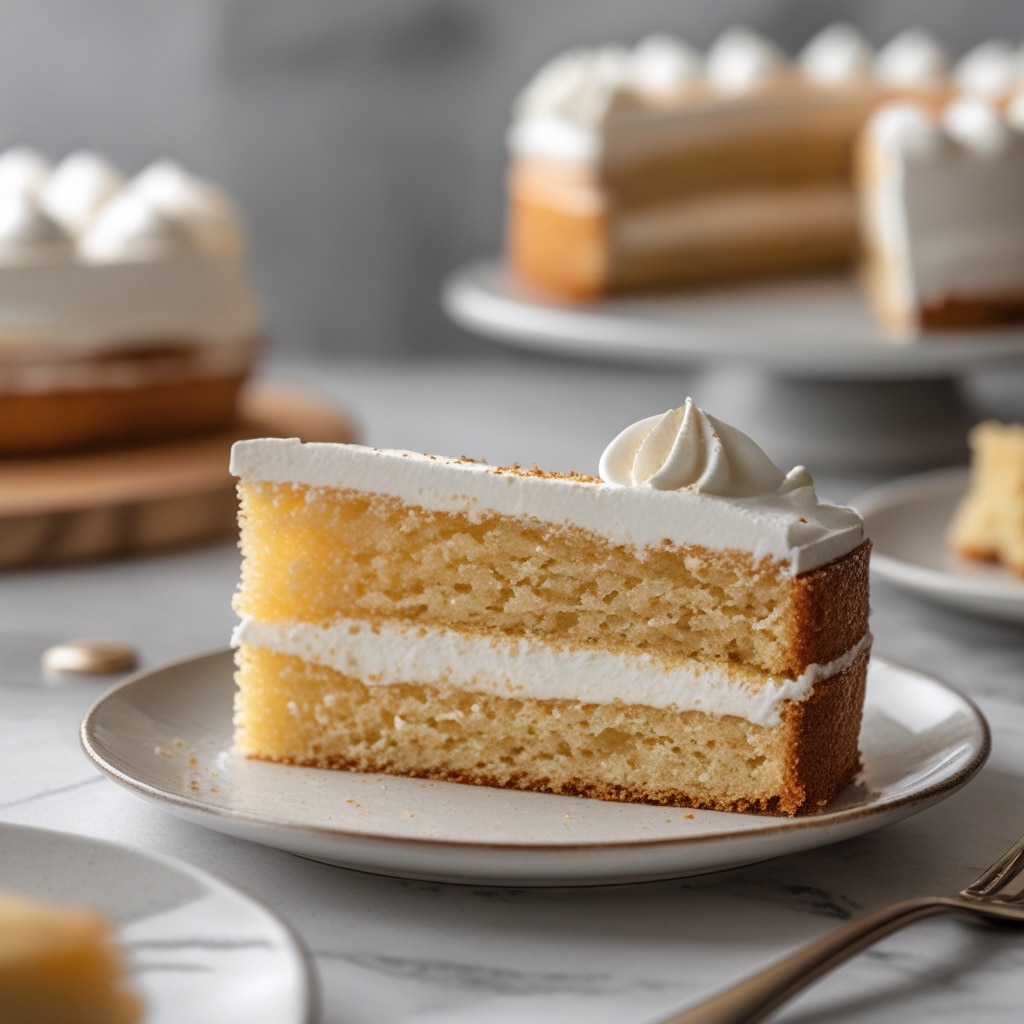
Pin on Cake recipes
—
Introduction
There’s something timeless and comforting about homemade cakes — the rich aroma, the delicate texture, and the pure satisfaction of creating something from scratch. Today, we’re diving into a detailed guide that breaks down every aspect of preparing the perfect dessert, from gathering your ingredients to achieving that flawless finish. Whether you’re a beginner baker or a seasoned enthusiast, this post is your ultimate companion to mastering this beloved art form. And yes, we’ll be exploring some irresistible cake recipes that promise indulgence in every bite.
Not only will this post help you create cakes worthy of celebration, but it will also be optimized for both readers and search engines. You’ll learn how to achieve perfect texture, balanced sweetness, and bakery-level presentation while discovering ways to enhance your baking process. So, turn on your oven, roll up your sleeves, and let’s begin this flavorful journey.
—
Step-by-Step Instructions
Step 1: Gather and Prepare Your Ingredients
Start by assembling all your essentials. For most cakes, you’ll need flour, sugar, baking powder (or soda), butter, eggs, milk, and your choice of flavoring — such as vanilla extract, cocoa, or citrus zest. Measure all ingredients precisely, as baking is a science of balance. Even small deviations can transform the final result.
Preheat your oven to 350°F (175°C) and prepare your baking pans with parchment paper or a light coating of butter and flour. This ensures that your cake releases smoothly after baking and maintains its beautiful shape. Being organized before mixing will give you a smooth and enjoyable process — the foundation for all great recipes.
Step 2: Creaming and Mixing
The creaming method is at the heart of many cakes. Begin by beating together butter and sugar until the mixture turns pale and fluffy. This step introduces air, which contributes to the cake’s lightness. Gradually add eggs, one at a time, to maintain a smooth consistency. Alternate your dry ingredients (flour, baking powder, salt) with your wet ones (milk, buttermilk, or yogurt) to keep the batter balanced.
If you’re making a chocolate variation, sift in your cocoa powder with the flour to prevent lumps. For fruit-based cakes, fold in your chopped fruits or zest gently to preserve their structure and flavor. The key here is not to overmix — just blend until the ingredients are unified.
Step 3: Baking to Perfection
Pour the batter into your prepared pan, spreading it evenly. Tap the pan lightly on the counter to eliminate any trapped air bubbles. Place it in the preheated oven and bake for 25–35 minutes, depending on your pan size and the type of cake. Avoid opening the oven door too soon — sudden temperature changes can cause your cake to collapse.
Check for doneness by inserting a toothpick or skewer into the center; it should come out clean or with just a few moist crumbs attached. Once baked, allow your cake to cool in the pan for 10 minutes before transferring it to a wire rack to cool completely.
Step 4: Frosting and Decoration
Now comes the fun part — decorating. Choose a frosting that complements your cake’s flavor. Buttercream, cream cheese frosting, or whipped ganache are classic options. Spread the frosting evenly across cooled layers using an offset spatula, then get creative with your toppings. Fresh fruits, edible flowers, sprinkles, or chocolate shavings can transform a simple cake into a showstopper.
When decorating, think about color, texture, and contrast — the same elements professional pastry chefs use to create visual appeal. Remember, a beautifully presented cake not only tastes better but also delights the eyes first.
—
Tips for Perfect Texture and Flavor
1. Use Room Temperature Ingredients
Cold butter or eggs can prevent a smooth batter from forming, which affects texture. Let your ingredients come to room temperature before mixing for a fluffier bake.
2. Don’t Rush the Mixing Process
While overmixing can be harmful, undermixing can leave pockets of flour or uneven density. Ensure all ingredients are fully incorporated without losing the batter’s airiness.
3. Experiment with Flavors
Beyond vanilla and chocolate, explore almond essence, espresso, or tropical variations. Each flavor profile can create a unique sensory experience that stands out.
4. Measure with Accuracy
Use a kitchen scale for precision. Cup measurements can vary, but weights remain constant — especially important when adjusting batch sizes.
5. Cool Before Frosting
Even slightly warm cakes can cause frosting to melt or slide. Allow your cake layers to cool fully before decorating.
—
Alternative Methods and Variations
Vegan and Dairy-Free Options
To make your cake dairy-free, substitute butter with plant-based margarine or coconut oil. Almond or oat milk can replace regular milk, offering subtle new flavors. For egg substitutes, a mix of chia seeds and water or applesauce can mimic the binding effect perfectly.
Gluten-Free Adaptations
Gluten-free flours such as rice flour, almond flour, or a balanced gluten-free all-purpose blend provide excellent results. Add a teaspoon of xanthan gum to improve structure if your blend lacks it.
Low-Sugar or Keto-Friendly Versions
Reduce refined sugar by replacing it with erythritol, monk fruit, or coconut sugar. Experiment with low-carb flours like almond or coconut flour for a lighter nutritional profile.
Creative Baking Techniques
Don’t be afraid to try new methods like layering contrasting flavors, marbling batters, or infusing syrups into cakes after baking for extra moisture and depth of taste.
—
Conclusion
Baking a cake from scratch is more than just following instructions — it’s a creative expression that brings people together and fills moments with warmth. From selecting the freshest ingredients to mastering the final decoration, every step adds personality and story to your dessert. By following these methods and perfecting your technique, you’ll not only bake wonderful cakes but also deepen your appreciation for culinary craftsmanship.
The beauty of these cake recipes lies in their flexibility: you can customize flavors, textures, and presentations to suit any occasion. Whether it’s a birthday, holiday, or a simple Sunday treat, a homemade cake always makes moments more special. With the right approach — precision, patience, and passion — your cakes can achieve that professional touch while remaining heartfelt and delicious.
So, grab your mixing bowl, unleash your creativity, and transform ordinary ingredients into something extraordinary. Your journey to cake mastery starts here!