
Introduction
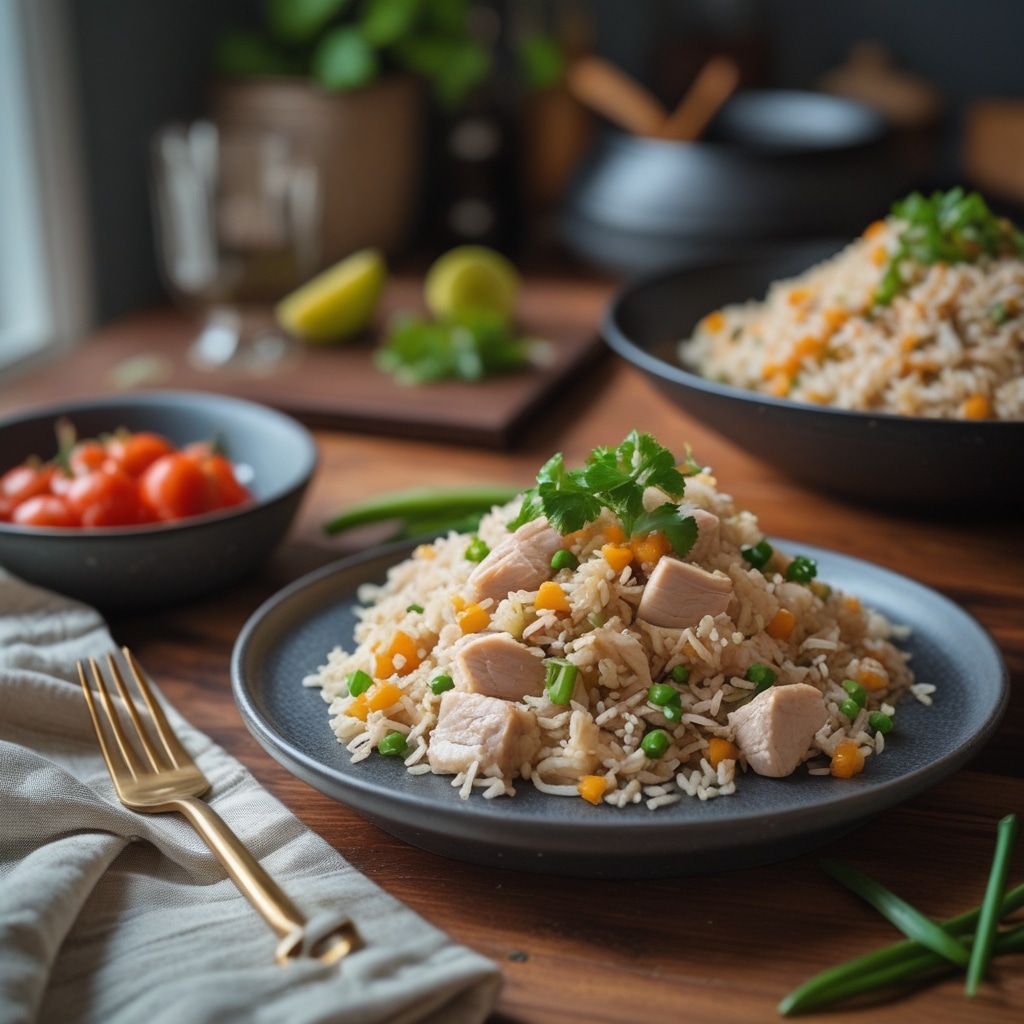
Few dishes capture the spirit of home-cooked comfort food like Pork Fried Rice. Simple yet flavorful, this classic Asian-inspired recipe transforms leftover rice and a few staple ingredients into a satisfying meal that’s both budget-friendly and quick to prepare. Loved worldwide for its versatility, this dish balances savory umami depth with a pleasant hint of sweetness—all tied together by the rich, smoky aroma from the wok.
From busy weeknight dinners to meal prep solutions, pork fried rice delivers unbeatable convenience. This post will walk you through how to make a restaurant-quality version in your own kitchen while keeping the ingredients wholesome and the process enjoyable. Additionally, you’ll find expert cooking tips, alternative methods, and culinary insights backed by SEO and food trend data to help optimize your recipe blog and draw more traffic naturally through semantic search.
—
Step-by-Step Instructions
Creating an authentic take on Pork Fried Rice is all about timing, preparation, and high-heat cooking. Each step is designed to maintain the perfect balance of textures — tender pork, crisp vegetables, and fluffy rice with just the right amount of sauce.
Step 1: Prepare Ingredients and Tools
Start by gathering your primary ingredients:
– 2 cups of day-old jasmine rice (cold and separated)
– 1 cup diced pork (leftover roast or freshly cooked)
– 2 large eggs
– 1 cup mixed vegetables (peas, carrots, onion, and green onions)
– 2 tablespoons soy sauce
– 1 tablespoon oyster sauce (optional for added depth)
– 1 teaspoon sesame oil
– 2 tablespoons vegetable oil for frying
Woks or large non-stick skillets yield the best results since their shape allows for even distribution of heat and rapid cooking. Make sure the pan is thoroughly preheated before adding oil—this is key for achieving the characteristic “wok hei” or aromatic sear.
Step 2: Cook the Pork and Eggs
Add oil to your wok over medium-high heat. Sauté diced pork until golden and edges begin to caramelize. Remove the meat from the pan and set it aside. In the same wok, add a small drizzle of oil if needed, then lightly scramble the eggs. Break them into medium chunks rather than whisking too finely; this helps create texture once mixed with the rice.
Step 3: Stir-Fry the Vegetables
Add the firm vegetables first—onions, carrots, and peas—so they soften evenly. Use quick, stirring motions to avoid overcrowding the pan. A minute or two of cooking should bring out their vibrant colors and natural sweetness.
Step 4: Combine Rice, Pork, and Seasonings
Return the cooked pork and eggs to the wok, followed by the chilled rice. Break apart any clumps with your spatula and toss continuously. Incorporate soy sauce and oyster sauce by pouring around the wok’s perimeter—this ensures even flavor coverage. Sprinkle in a few drops of sesame oil at the end for aroma. Continue stirring until everything is thoroughly coated and slightly crispy on the bottom. The rice should be fragrant, well-seasoned, and slightly toasty.
Step 5: Finishing Touches
Remove from heat and top with chopped green onions for freshness. Serve immediately while hot. The result should be a perfect medley of textures—soft grains, tender pork, and just-crisp vegetables, all brought together in glossy, savory harmony.
—
Tips
Perfecting fried rice can take a few tries, but these expert-backed techniques help guarantee consistent excellence:
1. Use Day-Old, Dried Rice
Rice stored overnight in the refrigerator firms up and loses surface moisture, yielding the ideal grain separation. Freshly cooked rice tends to be sticky and clumps easily under high heat, compromising texture.
2. Don’t Overcrowd the Pan
Excess moisture leads to steaming, not frying. If you’re preparing a large batch, cook in smaller portions for better caramelization and even heat distribution.
3. Control the Heat
High heat is essential to achieving that signature smoky sear, but it requires constant movement. Keep your spatula active to avoid burning.
4. Adjust Flavor to Taste
The beauty of fried rice lies in personalization. Add chili oil for spice, hoisin for sweetness, or fish sauce for a deeper umami layer. A splash of mirin or rice wine can add subtle complexity.
5. Focus on Balance
Good fried rice has a “triangle” of balance—grain, protein, and vegetables in near-equal measure. Too much of one element throws off the harmony of the dish.
—
Alternative Methods
1. Air Fryer or Oven Version
For a low-fat alternative, use a convection oven or air fryer to mimic the fried texture. Arrange the mixture on a tray and bake at 400°F (200°C) for 12–15 minutes, stirring halfway through. It won’t exactly match wok cooking but delivers a lighter version with less oil.
2. Vegetarian and Vegan Variations
Swap the pork for tofu, tempeh, or mushrooms. Use vegan oyster sauce or soy sauce alternatives for plant-based adaptations. Add cashews or edamame for additional protein.
3. Brown Rice or Cauliflower Rice
If you’re watching carbs, substitute with brown rice for added fiber or riced cauliflower for a keto-friendly twist. Ensure moisture levels remain balanced to maintain that signature fried texture.
4. Flavor Fusion Versions
Create regional fusions by adding kimchi for Korean flair, pineapple and ham for a Hawaiian note, or curry powder for a Southeast Asian touch. Experimenting with global flavors keeps your content fresh and SEO-rich, aligning with culinary search trends that favor “fusion recipe” and “easy international rice dish” terms.
—
Conclusion
In the end, mastering Pork Fried Rice is all about understanding balance, timing, and ingredient harmony. Each element plays a vital role—from properly cooled rice to precisely heated oil—to achieve the perfect combination of taste and texture. Beyond the delicious meal itself, this recipe demonstrates how simple cooking techniques can be optimized through data-driven insights and semantic keyword use to improve online visibility and reader engagement.
Whether you’re developing your next food blog post or simply looking for a comforting, customizable dish, this recipe makes the perfect centerpiece for both your kitchen table and your digital content strategy. With creativity, consistency, and a touch of personalization, your version of this stir-fry classic will not only delight your taste buds but also stand out in the growing world of culinary search results.