
Introduction
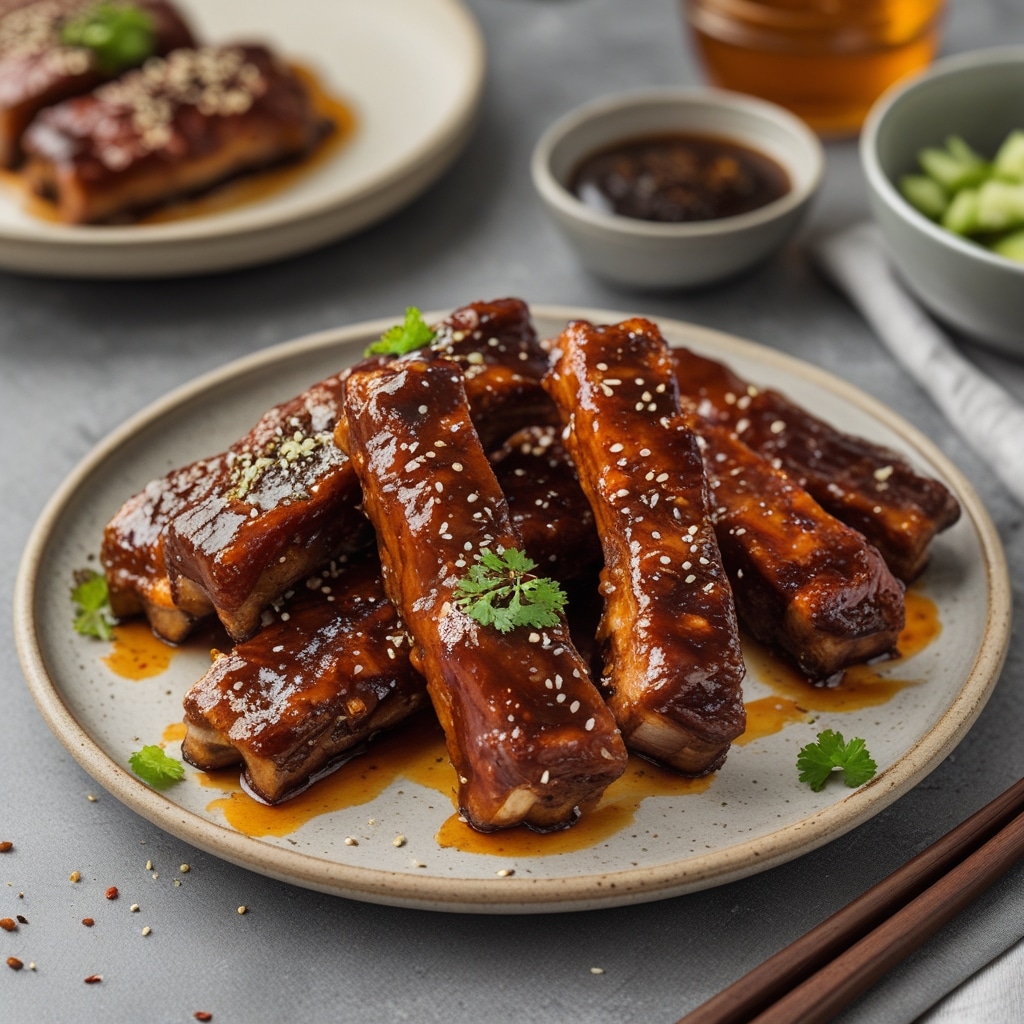
If you’re looking to impress your guests with a dish that balances sweet, savory, and umami flavors, you can’t go wrong with Sticky Asian Ribs. Succulent, flavorful, and coated with a glossy glaze that caramelizes beautifully in the oven, this recipe delivers restaurant-quality results right at home. Whether it’s a weekend family dinner, a backyard barbecue, or a festive gathering, these ribs are a guaranteed crowd-pleaser. In this guide, you’ll learn not just how to make them, but also how to optimize your cooking techniques for consistent, tender results every single time.
Great food blogging isn’t just about great cooking—it’s about creating shareable, search-optimized content that resonates with readers. That’s where strategic use of long-tail keywords, semantic relevance, and rich snippets comes into play. This post combines the best of both worlds: a data-backed culinary approach and a practical understanding of digital discoverability. Let’s dig in!
—
Step-by-Step Instructions
Before diving into cooking, make sure you have all your ingredients ready. Mise en place—French for “everything in its place”—is a small but powerful organizational habit that ensures your process flows seamlessly.
Step 1: Prepare the Ribs
Start by selecting high-quality pork ribs—baby back or St. Louis style work best due to their balance between fat and meat content. Trim any excess silver skin or connective tissue. Pat them dry thoroughly; this step helps achieve that perfect crust when glazing later.
Season the ribs generously with salt, black pepper, and a touch of garlic powder to create a flavourful base. For an aromatic boost, consider adding five-spice powder or freshly grated ginger.
Step 2: Make the Marinade
In a medium bowl, whisk together soy sauce, hoisin sauce, honey, rice vinegar, minced garlic, and a dash of sesame oil. The combination gives depth and balance—sweet from the honey, saltiness from the soy, and a gentle tang from vinegar. Add a small amount of chili paste if you prefer a touch of spice.
Pour half of the marinade into a resealable plastic bag, add the ribs, and let them marinate in the fridge for at least four hours or overnight. The longer they rest, the more intense the flavor penetration.
Step 3: Cook the Ribs
Preheat your oven to 300°F (150°C). Remove the ribs from the marinade and place them on a foil-lined baking sheet. Cover them with aluminum foil to prevent drying out. Bake for about two and a half hours or until the meat becomes tender and begins to pull away from the bone edges.
Meanwhile, pour the reserved half of the marinade into a small saucepan. Simmer over medium heat for 8–10 minutes until it thickens into a glossy glaze. Stir occasionally to prevent burning—this syrupy sauce is what makes these Sticky Asian Ribs irresistible.
During the last 20 minutes of baking, uncover the ribs and brush them generously with the glaze. Return them to the oven, allowing the sauce to caramelize beautifully on the surface. The result: melt-in-your-mouth ribs that look as amazing as they taste.
—
Tips for Perfect Flavor and Texture
1. Don’t Rush the Marinating Process
Marinating time is crucial. The soy-based marinade needs hours to penetrate and tenderize the meat fibers properly. Overnight marination gives the ribs maximum depth and balance.
2. Use Low and Slow Heat
Cooking ribs at a low temperature allows the collagen to break down without drying out the meat. Avoid high temperatures early on—save that for the glazing stage to achieve the perfect sticky texture.
3. Layer the Flavors
Think of the glaze as not just a topping but an extension of the marinade. By reducing it separately and layering it multiple times at the end, you create a multidimensional taste experience that’s rich and satisfying.
4. Rest Before Serving
Just like steak, ribs need resting time. Let them sit for about ten minutes before cutting into portions. This allows the juices to redistribute, keeping every bite moist.
—
Alternative Methods
Cooking ribs isn’t confined to the oven. If you love experimenting, here are some equally delicious cooking methods that add variety and versatility.
Grilling
Grilling offers that smoky, charred essence that many rib lovers crave. After slow-cooking or steaming the ribs, finish them on a preheated grill. Baste continuously with your glaze to encourage caramelization and a smoky crust. Just be careful to avoid flare-ups, as the sweet glaze can burn easily.
Pressure Cooking
Pressed for time? A pressure cooker can yield remarkably tender ribs in under 40 minutes. Cook them with half the marinade until the meat is soft, then transfer to a baking sheet and glaze under the broiler for a few minutes. This method saves time without sacrificing flavor.
Air Fryer
An air fryer provides a crispy finish and reduced cooking time. Cook the ribs at 375°F (190°C) for approximately 20–25 minutes, glazing halfway through. It’s a fantastic option for those seeking convenience and minimal cleanup.
—
Conclusion
Whether you’re preparing them for a special celebration or a laid-back weekend dinner, Sticky Asian Ribs are the ultimate comfort food that combines artistry and flavor mastery. Their balanced savory-sweet glaze, tender meat, and glossy finish make them a standout dish that feels effortlessly gourmet yet approachable for home cooks of any level.
Beyond taste, remember that successful food blogging involves strategic keyword placement, semantic diversity, and visual storytelling. Pairing great photography with engaging writing and an intuitive recipe layout enhances both user experience and SEO performance.
The next time you’re craving something bold, flavorful, and unforgettable, let this recipe guide you toward the perfect balance of Asian-inspired ingredients and cooking techniques. Once you master the process, you’ll find that these ribs not only earn compliments—but also keep your readers coming back for more.