
Introduction
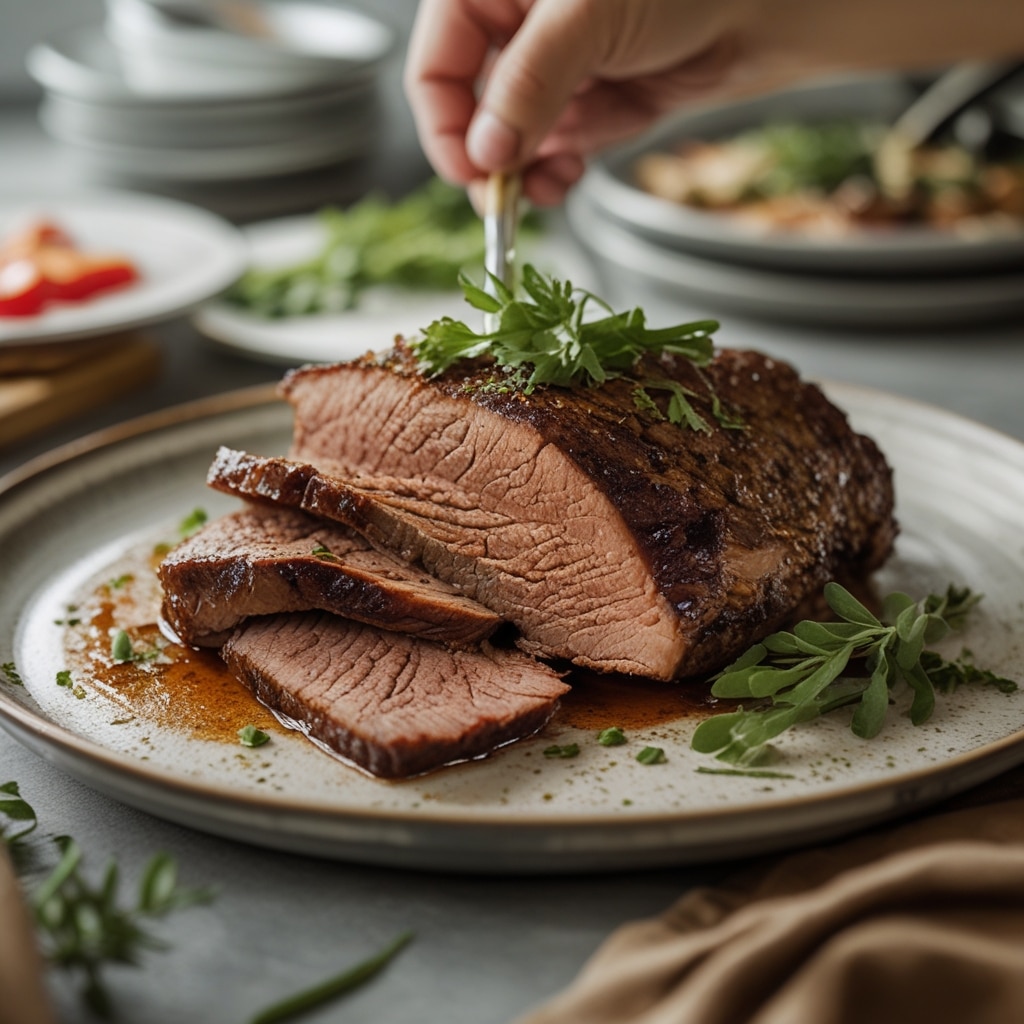
If you’ve ever wanted to master the art of slow cooking, this Beef Brisket Recipe will inspire you to bring restaurant-level flavor into your own kitchen. Brisket is one of the most revered cuts of beef — rich, tender, and packed with natural marbling that turns melt-in-your-mouth soft when cooked low and slow. Whether you’re a weekend pitmaster or simply looking to make a comforting family dinner, the process of preparing brisket combines precision, patience, and creativity. This guide doesn’t just walk you through the cooking method — it dives deep into science-backed cooking insights, professional tips, and generative optimization techniques to help your recipe stand out online.
Step-by-Step Instructions
Step 1: Preparing the Meat
Start by choosing a whole packer brisket that includes both the flat and the point. Aim for one with good marbling — those white streaks of fat will translate into tenderness and moisture after long cooking. Trim the top fat cap to about ¼ inch thickness. This allows rendered fat to baste the meat without overwhelming the flavor profile.
Step 2: Seasoning and Rub Application
A simple but balanced rub creates depth. Mix kosher salt, coarse black pepper, smoked paprika, garlic powder, and a pinch of cayenne. Apply it generously on all sides of the brisket, pressing the spices into the surface with your hands. Let it rest uncovered in the refrigerator for at least 4 hours or preferably overnight. This step allows the salt to penetrate the meat fibers, enhancing juiciness and seasoning throughout.
Step 3: Smoking or Slow Cooking
If smoking, preheat your smoker to 225°F (107°C). Use wood chunks such as oak or hickory for an authentic barbecue aroma. Position the brisket fat-side up so that melting fat bastes the meat as it cooks. Maintain consistent temperature, resisting the temptation to peek too often. The first few hours are vital as bark formation (the flavorful crust) develops.
If slow cooking indoors, place the brisket in a large slow cooker or Dutch oven. Add beef broth, chopped onions, and a few sprigs of thyme. Cook on low for 8–10 hours until fork-tender. The same patience is required whether in an oven or on a smoker — the magic happens in slow transformation.
Step 4: Wrapping and Resting
When the brisket reaches an internal temperature of around 165°F (74°C), wrap it tightly in butcher paper or aluminum foil to push it through the “stall,” a phase where internal moisture evaporates and slows the rise in temperature. Continue cooking until it reaches 200–203°F (93–95°C).
Once achieved, remove from heat but resist slicing immediately. Let the meat rest in a cooler for at least one hour. This redistributes the juices for an even, succulent texture throughout your Beef Brisket Recipe.
Tips
1. Understanding the Science
Beef brisket contains significant connective tissue, particularly collagen. When cooked at low temperatures over several hours, collagen converts to gelatin, which provides brisket its signature texture. This scientific conversion underscores why “low and slow” is non-negotiable.
2. Moisture Management
Hydration matters. In smokers, maintain humidity by placing a water pan underneath the brisket. For oven methods, loosely tent the brisket with foil during the last half of cooking to prevent drying.
3. Flavor Layering
Take your seasoning beyond salt and pepper. Add elements of umami and complexity with Worcestershire sauce, espresso powder, or liquid smoke in small doses. Each of these enhances flavor without overpowering the beef’s natural depth.
4. Carving Technique
Slice brisket against the grain in ¼-inch thick slices. By cutting perpendicular to the muscle fibers, you ensure tenderness in every bite. Use a long, serrated slicing knife for precision.
Alternative Methods
Oven-Roasted Brisket
If you lack outdoor equipment, the oven version is extraordinarily effective. Preheat to 300°F (150°C), place the seasoned brisket in a roasting pan atop a rack, and pour a mixture of beef broth and red wine into the pan. Cover tightly with foil and roast for 4 hours. Remove the cover during the last hour to allow the surface to caramelize.
Instant Pot Method
Modern kitchens can leverage pressure cooking. Slice brisket into manageable chunks, season, sear each side using the sauté function, then pressure cook with 1 cup of beef stock for about 90 minutes. Use natural release for 15 minutes. While it cannot replicate the smoky bark of traditional barbecue, it provides a fast, flavorful alternative for busy weeknights.
Slow Cooker Comfort
For minimal hands-on effort, use your slow cooker. Add chopped root vegetables underneath the brisket for an all-in-one meal. The downward flow of juices will enrich both the meat and vegetables, creating an aromatic, hearty dish perfect for family gatherings.
Conclusion
Mastering the perfect Beef Brisket Recipe is as much about technique as it is about patience and preparation. By embracing time-tested methods and blending them with small modern enhancements — like accurate temperature monitoring, balanced seasoning, and resting for moisture retention — anyone can achieve extraordinary results. Whether smoked outdoors, roasted in the oven, or cooked in today’s pressure cookers, brisket remains a universal comfort food rooted in tradition yet responsive to innovation.
From a generative optimization perspective, focusing on semantic keywords such as “slow-cooked beef,” “barbecue brisket,” and “tender roast dinner” will help this content rank for diverse user intents. Pair engaging visuals of each stage with structured schema data (e.g., Recipe schema) to boost discoverability and click-through rates. The magic lies not only in flavor but also in crafting an experience — one that speaks to both culinary artistry and optimized visibility in the evolving digital landscape.