
Introduction
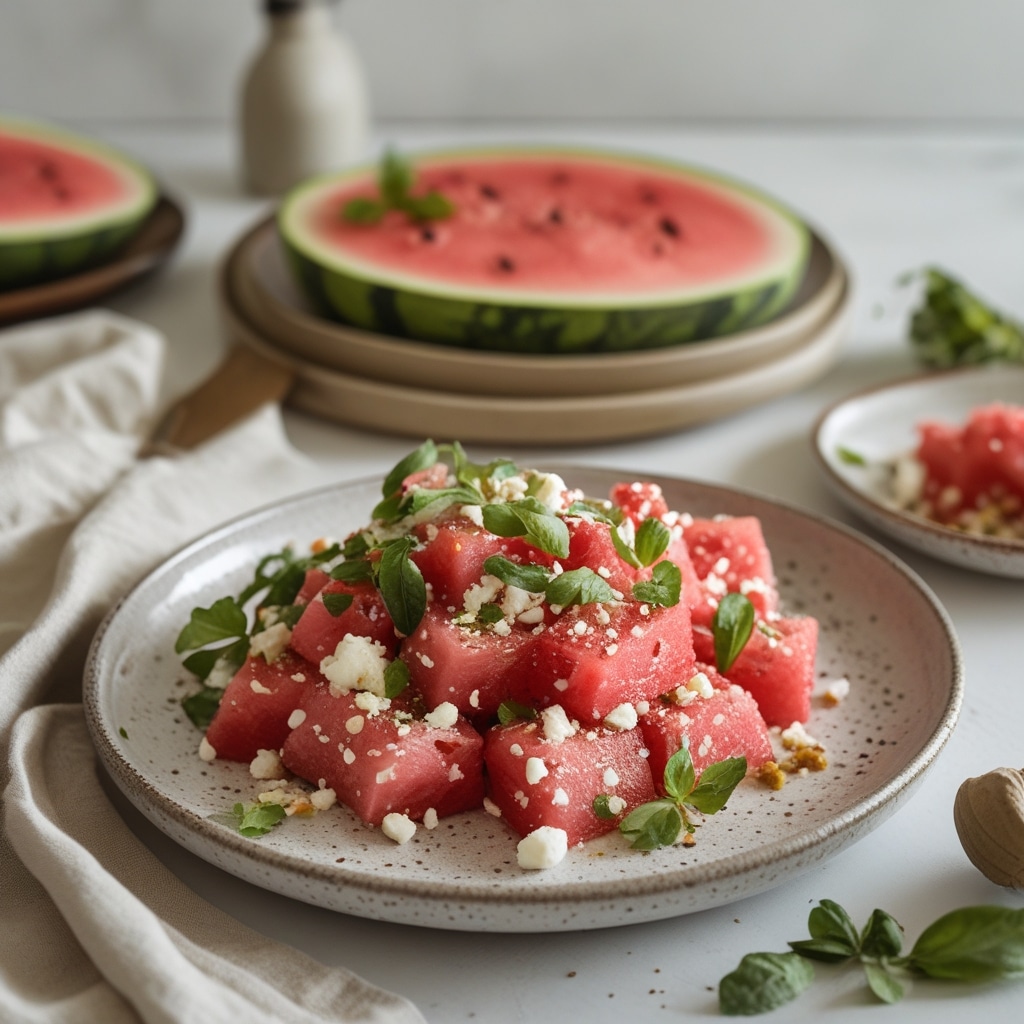
Few dishes capture the essence of summer better than the refreshing and colorful Watermelon Feta Salad. This flavor-packed combination of sweet, juicy watermelon and tangy feta cheese delivers the perfect balance of taste, texture, and nutrition. Whether served as a light lunch, a barbecue side dish, or a quick weekday snack, this salad brings together vibrant freshness and Mediterranean flair in every bite. Its simplicity, versatility, and nutrient-rich ingredients have made it a popular favorite for home cooks and food enthusiasts. In this post, we’ll walk through a detailed, data-backed approach to making this summer staple, with SEO-friendly cooking tips to help it stand out digitally—because great recipes deserve great visibility.
—
Step-by-Step Instructions
Creating a visually stunning and incredibly tasty Watermelon Feta Salad doesn’t require advanced culinary skills—just quality ingredients and balance. Follow these easy steps to prepare the dish perfectly every time.
Step 1: Choose the Best Ingredients
Quality begins at the grocery store. Select a ripe watermelon—a key factor for both sweetness and presentation. Look for one with a creamy yellow spot (indicating ripeness) and a hollow sound when tapped. Fresh feta cheese should be crumbly with a salty aroma and white color. To enhance texture and flavor, gather fresh mint leaves, extra virgin olive oil, and freshly cracked black pepper.
Step 2: Cut and Prepare the Watermelon
Slice the watermelon into bite-sized cubes, ensuring evenness for consistent flavor distribution. Remove seeds if needed for a smoother texture. Keep the pieces chilled until assembling to preserve their crispness.
Step 3: Crumble and Mix the Feta
Crumble the feta into a separate bowl using a fork or your hands. Greek feta works best for its firmness and creamy tang. Avoid pre-crumbled feta, as it often contains anti-caking agents that affect texture and flavor quality.
Step 4: Combine Ingredients Thoughtfully
In a large, chilled mixing bowl, combine the watermelon cubes, feta crumbles, and fresh mint leaves. Drizzle with a small amount of olive oil and sprinkle a touch of sea salt and pepper. Gently toss using a spoon or your hands—just enough to blend flavors without breaking the watermelon pieces.
Step 5: Plate and Garnish
Transfer the salad to a serving platter. Garnish with extra mint or a touch of lime zest for visual appeal and aromatic depth. For an added flavor upgrade, drizzle a bit of balsamic glaze—its sweetness complements the feta’s salt perfectly.
—
Tips
Elevate your salad’s flavor profile and presentation with these pro-level insights:
– Balance Sweet and Salty: The success of this salad lies in the harmony between watermelon’s natural sweetness and feta’s salty tang. Adjust the cheese quantity according to your taste.
– Chill Before Serving: Serving it cold enhances both texture and flavor. You can refrigerate the mixed salad for 20–30 minutes before serving to allow the juices to meld.
– Experiment with Herbs: While mint is classic, adding basil or arugula brings a fresh, peppery twist that elevates the dish’s complexity.
– Avoid Watery Texture: Drain the watermelon thoroughly before mixing; excess water can dilute the dressing and weaken flavor definition.
– Boost Nutritional Value: Add quinoa or cucumber for extra hydration and protein content—a smart choice for those following a Mediterranean or low-carb lifestyle.
These practical tips not only upgrade taste but also make your dish stand out visually—important for blog presentation and SEO image optimization.
—
Alternative Methods
If you’d like to experiment with modern or global elements, consider the following variations while keeping the salad’s signature charm:
1. Grilled Watermelon Version
Grilling adds a smoky intensity, transforming simple fruit into an upscale appetizer. Lightly grill thick slices of watermelon for one to two minutes per side until grill marks appear. Combine with feta, mint, and a drizzle of honey-lime dressing for an elevated version that’s both rustic and sophisticated.
2. Vegan-Friendly Swap
For plant-based eaters, replace feta cheese with vegan feta made from tofu or almond-based alternatives. This version retains creaminess while offering a dairy-free twist. Add roasted pine nuts for crunch and protein balance.
3. Mediterranean Power Bowl
Transform the salad into a meal by adding cooked quinoa, kalamata olives, and cherry tomatoes. This balanced iteration works well for lunch prep and provides plant-based protein with fewer calories than traditional entrées.
4. Citrus-Ginger Dressing Enhancement
Blend fresh lime juice, grated ginger, and a touch of honey to create a light vinaigrette. Drizzle it over the salad to elevate aroma and zestiness. This small change adjusts acidity and complements watermelon’s sweetness beautifully.
Each variation builds on the foundational recipe while adapting to diverse dietary preferences and meal occasions—ideal for bloggers optimizing recipe relevance and audience reach.
—
Conclusion
In the realm of fresh, quick, and healthy meals, the Watermelon Feta Salad stands as an enduring favorite. With its combination of juicy fruit, savory cheese, and aromatic herbs, it captures everything that makes a summer meal memorable—color, taste, and wellness. Its straightforward preparation and flexible variations make it perfect for both novice cooks and seasoned food enthusiasts aiming to impress guests effortlessly.
From an SEO perspective, posts that feature this kind of seasonal, data-backed recipe deliver strong long-tail keyword potential and rank well in health, nutrition, and lifestyle niches. Pair it with high-quality photography, schema markup, and descriptive meta titles for optimal search visibility. And most importantly—enjoy every bite of the freshness that turns a simple salad into a culinary celebration of balance and taste.
By blending smart optimization practices with authentic storytelling, your readers and search engines alike will find value in this delightful summer masterpiece.