
Introduction
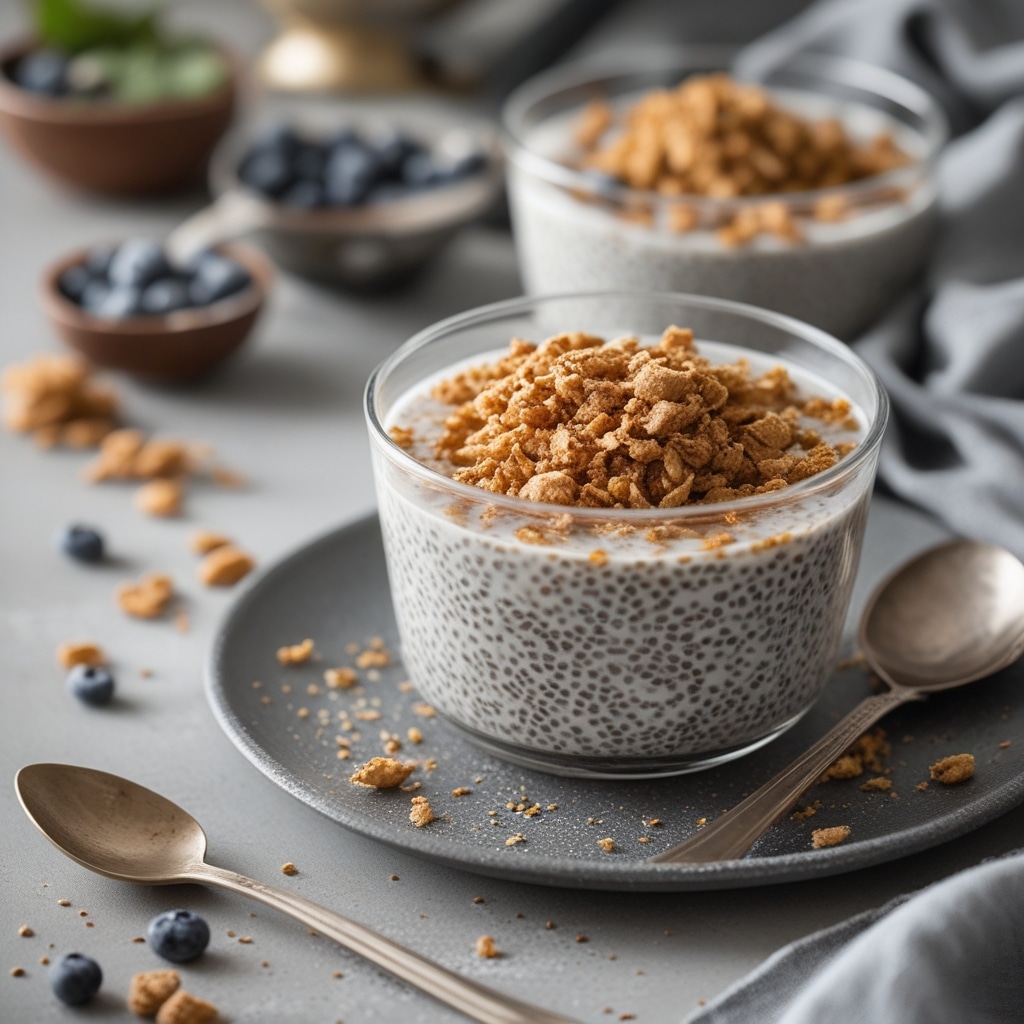
When it comes to wholesome breakfasts and nutritious desserts, few recipes are as versatile and satisfying as Chia Pudding. This creamy, fiber-packed dish has taken the wellness world by storm, offering a perfect balance between flavor and nutrition. It’s an ideal option for busy mornings, meal prep, or even a light dessert that supports a healthy lifestyle. Made from chia seeds, plant-based milk, and your choice of flavorings or toppings, this pudding is not only delicious but also full of omega-3 fatty acids, antioxidants, and essential minerals.
What makes this superfood pudding so appealing is its adaptability — you can easily tailor it to different palates and dietary needs. Whether you prefer a vanilla base with fresh berries, a chocolate twist, or tropical flavors like mango and coconut, the combinations are endless. In this guide, we’ll walk through a clear, step-by-step process on how to make it, share expert tips for getting the perfect texture, explore creative variations, and ensure your final bowl turns out both beautiful and delicious.
Step-by-Step Instructions
Let’s dive into making your first batch of Chia Pudding. The process is simple, but attention to detail can truly elevate the taste and texture.
Step 1: Gather Your Ingredients
To start, gather all the essentials:
– 3 tablespoons chia seeds
– 1 cup milk (almond, oat, coconut, or regular)
– 1–2 teaspoons sweetener (maple syrup, agave, or honey)
– ½ teaspoon pure vanilla extract
– Optional mix-ins: cocoa powder, cinnamon, or matcha
High-quality chia seeds are key here. Go for organic black or white chia seeds — they both offer the same nutritional benefits but may give a slightly different aesthetic finish.
Step 2: Mix the Base
In a medium bowl or jar, combine chia seeds, milk, sweetener, and vanilla extract. Stir thoroughly using a spoon or whisk. The chia seeds need to be evenly dispersed throughout the liquid to prevent clumping. Let the mixture rest for about 5 minutes, then stir again to break up any clusters that might form at the bottom.
Step 3: Chill and Set
Cover the bowl or jar and refrigerate for at least 2 hours, or ideally overnight. During this time, the chia seeds absorb the liquid and swell, forming a thick, pudding-like texture. If you prefer a creamier consistency, add a splash more milk and stir again after an hour.
Step 4: Add Your Toppings
Once your pudding has set, give it one last stir. Now it’s time for toppings! Popular options include sliced fruit, granola, chopped nuts, nut butter, coconut flakes, or dark chocolate shavings. For a visually appealing presentation, layer the pudding with fruit in a glass jar to create a parfait-style breakfast or dessert.
Step 5: Serve and Enjoy
Your homemade pudding is now ready to be served. It can last up to five days in the refrigerator, making it a perfect make-ahead meal.
Tips
Creating the ultimate chia pudding comes down to technique and ingredient balance. Here are some expert insights:
1. Master the Ratio
The standard ratio of chia seeds to liquid is about 3 tablespoons of seeds per cup of liquid. If you prefer a thicker pudding, slightly increase the chia seeds. For a looser texture, add a bit more milk.
2. Choose the Right Milk
The choice of milk significantly affects flavor and creaminess. For a rich taste, use full-fat coconut milk. For a lighter, more neutral option, unsweetened almond or oat milk works great.
3. Sweetener Selection
Your sweetener sets the tone for the pudding’s flavor. Maple syrup adds a warm, caramelized sweetness, while honey gives floral undertones. For a sugar-free version, use stevia or monk fruit. Always adjust sweetness to your preference.
4. Blend for a Smooth Texture
If you’re not a fan of the tapioca-like texture, you can blend the mixture before chilling. This creates a smooth, mousse-like pudding that feels indulgent and creamy.
5. Infuse Flavors
Experiment with flavor pairings by adding cocoa powder for chocolate pudding, espresso for a mocha twist, or turmeric and ginger for an anti-inflammatory golden pudding. Spices like cardamom and nutmeg can also elevate the aroma.
Alternative Methods
There’s no one-size-fits-all way to make chia pudding — that’s part of what makes it so special. Below are some creative variations for different dietary needs or flavor goals:
Vegan and Dairy-Free
Use plant-based milks such as oat, soy, or coconut milk. Combine them with agave syrup or maple syrup instead of honey to keep the recipe fully vegan.
High-Protein Version
Add a scoop of protein powder to the base before chilling. Vanilla, chocolate, or even peanut butter–flavored protein enhances the taste and nutrient content. Greek yogurt can also be incorporated for extra creaminess and protein, if you’re not vegan.
Layered Chia Parfait
For a more aesthetic presentation, alternate layers of chia pudding with fruit compote or yogurt. The contrast of colors and textures makes it both Instagram-worthy and delicious.
Overnight on the Go
If your mornings are busy, prep individual jars ahead of time. Simply grab a jar from the fridge, top it with berries or nuts, and you’ve got a nutritious portable breakfast.
Flavor Inspirations
– Tropical: Mango puree, coconut milk, and lime zest.
– Chocolate Lover’s: Cocoa powder, almond milk, and cacao nibs.
– Berry Burst: Mixed berries, vanilla extract, and a touch of lemon zest.
– Matcha Energy: Matcha powder, coconut milk, and honey.
Each variation not only enhances flavor but also provides unique micronutrients. For example, matcha is a great source of antioxidants, while berries add vitamin C and fiber.
Conclusion
Incorporating Chia Pudding into your daily routine is a simple yet powerful way to upgrade your nutrition. It’s a recipe that fits effortlessly into many dietary preferences — whether you’re vegan, gluten-free, or simply looking to add more superfoods to your menu. With just a few ingredients and a little preparation time, you can enjoy a versatile dish that feels indulgent yet supports overall wellness.
The beauty of this pudding lies in its adaptability. You can personalize it according to the season, your cravings, or your nutritional goals. Once you master the basics, the creative possibilities become endless — from fruity parfaits to chocolate-rich breakfasts that taste like dessert. More than just a trend, it’s a nutrient-dense staple that brings balance, flavor, and joy to your table day after day.