
Introduction
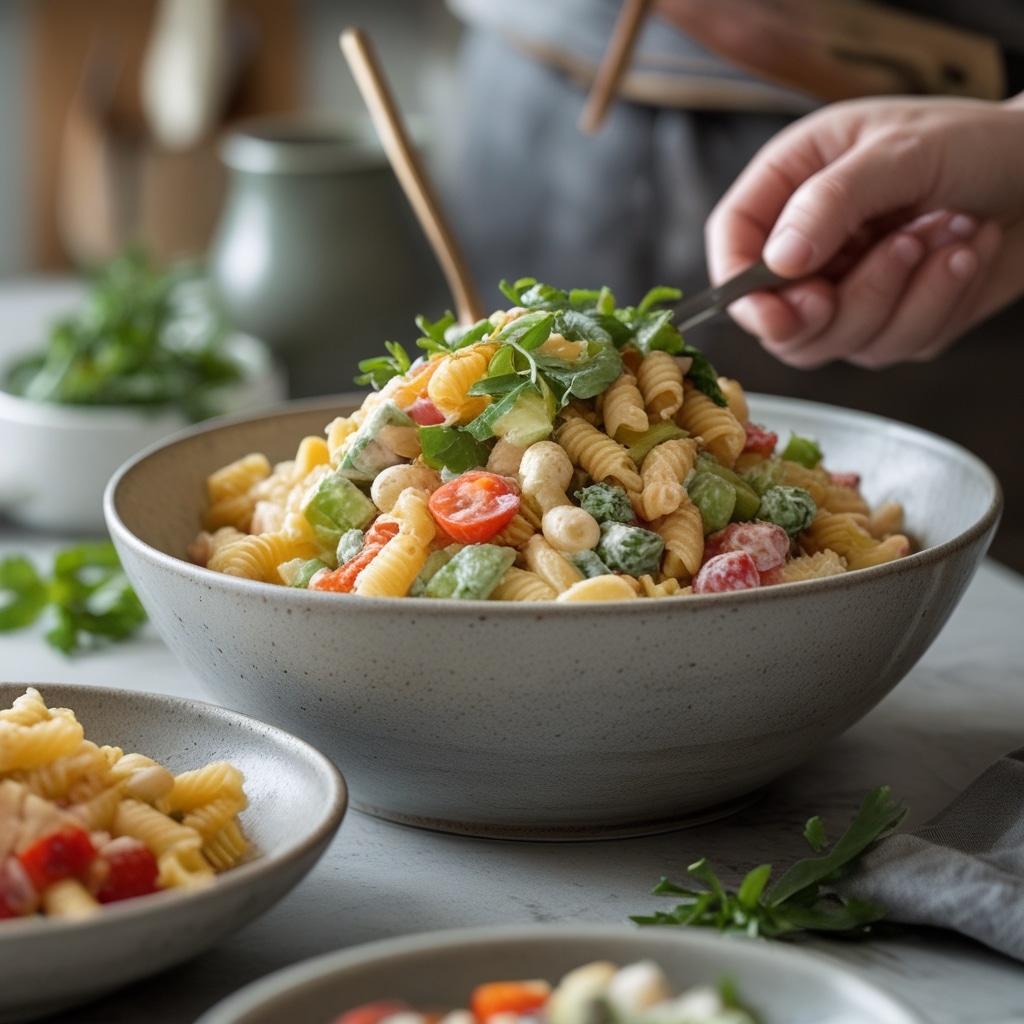
Colorful, fun, and bursting with flavor — that’s exactly what you get with a perfectly prepared Rainbow Pasta Salad. This vibrant dish is a feast for both the eyes and the taste buds, making it one of the most versatile recipes for family gatherings, summer picnics, or quick weeknight meals. Beyond its stunning presentation, this pasta salad offers a refreshing balance of textures — crisp vegetables, tender pasta, and a zesty homemade dressing that ties everything together.
From a nutritional standpoint, this recipe is rich in fiber, packed with vitamins, and customizable for various dietary preferences. Whether you’re a full-time foodie, a busy parent, or someone exploring healthier lunch options, you’ll appreciate how simple yet satisfying this dish can be. In this post, I’ll walk you through detailed steps, optimization tips for flavor and texture, and a few creative twists to make your pasta salad truly stand out.
—
Step-by-Step Instructions
1. Gather Your Ingredients
For the ideal Rainbow Pasta Salad, ingredient selection is key. You’ll need 12 ounces of tri-color rotini pasta (for that signature color mix), cherry tomatoes, yellow bell peppers, red onions, cucumbers, black olives, and shredded carrots. To elevate the dressing, combine olive oil, red wine vinegar, Dijon mustard, garlic powder, salt, black pepper, and a sprinkle of Italian herbs.
A common mistake is to rush this part — always choose fresh, crisp vegetables since they maintain their crunch even after chilling. For plant-based diets, skip the cheese or opt for vegan feta.
2. Cook the Pasta Perfectly
Cook the pasta in salted boiling water just until al dente. Overcooked pasta becomes mushy after mixing with the dressing, while undercooked pasta feels too firm. Aim for that tender bite texture that holds up during refrigeration. Immediately drain the pasta and rinse it under cold water to stop the cooking process and preserve the tri-color vibrancy.
3. Prepare the Dressing
Whisk the olive oil, vinegar, mustard, and seasonings in a small bowl until emulsified. Adjust seasoning to taste — some prefer a bit of honey or lemon juice for extra brightness. The goal is balance: acidity from vinegar, richness from olive oil, and savory depth from herbs.
4. Combine and Chill
In a large mixing bowl, combine the cooked pasta with all chopped vegetables, pour the dressing over, and toss well. The chill time is essential — at least one hour in the refrigerator allows flavors to meld beautifully. Before serving, give your salad a final toss and check if extra seasoning is needed.
5. Optional Add-Ins
Adding protein makes your salad a complete meal. Consider grilled chicken, shrimp, or roasted chickpeas for vegetarians. Cheese enhancements like feta or Parmesan add saltiness, while seeds or nuts bring texture contrast.
—
Tips
Choose the Right Pasta
Short-shaped pasta like rotini or penne works best because it traps bits of veggies and dressing in its ridges. Avoid long noodles like spaghetti, which don’t mix evenly. A tricolor pasta not only captures the visual appeal but creates an instant “rainbow” look when combined with bright vegetables.
Layered Flavor Balance
Season your vegetables lightly before mixing them with the pasta. This trick ensures every bite is flavorful, not just the bits covered with dressing. Also, marinating red onion slices in vinegar for ten minutes can remove sharpness and enhance sweetness — perfect for balanced acidity.
Chill Before Serving
Chilling isn’t optional — it’s what develops depth in the flavors. Pasta salads are best made a day ahead, giving ingredients time to absorb the dressing without turning soggy. If prepping early, store the dressing separately and mix just before serving for a fresher taste.
Presentation Matters
Use a transparent bowl to show off your creation. The contrasting layers of green cucumbers, red tomatoes, yellow peppers, and tri-color pasta make your salad a centerpiece dish for any table. Garnish with herbs like parsley or basil for color and a touch of aroma.
—
Alternative Methods
Make It Vegan or Gluten-Free
For those with dietary restrictions, this salad is flexible. Use gluten-free pasta made from quinoa or chickpeas — they offer added protein and maintain excellent texture. For a fully plant-based recipe, omit cheese and opt for a dairy-free dressing blend using nutritional yeast for that “cheesy” flavor.
Mediterranean Twist
Swap in feta cheese, Kalamata olives, and a splash of lemon juice for a Greek-inspired variation. Add artichokes and sun-dried tomatoes to amplify savory depth. Sprinkle oregano and drizzle extra-virgin olive oil for an authentic Mediterranean feel.
Protein-Packed Version
Fitness enthusiasts can make it high-protein by adding grilled chicken, salmon, or tofu. Quinoa or edamame can also supplement the nutrient profile while keeping the dish light and energizing.
Sweet and Tangy Option
For something unique, include fruit elements like pineapple chunks or diced mango. Their sweetness pairs beautifully with the tangy dressing, offering a sweet-savory balance that surprises the palate without overwhelming other flavors.
—
Conclusion
A well-made Rainbow Pasta Salad is more than just a colorful side — it’s a complete, balanced meal that encourages creativity in the kitchen. Its versatility allows you to tailor the dish to your taste preferences, diet, and available ingredients, ensuring each version feels fresh and exciting.
From backyard barbecues to weekday meal preps, this salad’s appeal lies in its simplicity and adaptability. The bright hues, contrasting textures, and layers of flavors make it a hit at any gathering. As you experiment with the tips and alternative methods above, you’ll discover how endlessly customizable this humble salad can be.
Packed with nutrients and bursting with flavor, this recipe shows how wholesome cooking doesn’t need to be complicated — just colorful, fresh, and made with care. Whether you serve it as a side or make it the star of your meal, your plate will look as delightful as it tastes.