
Introduction
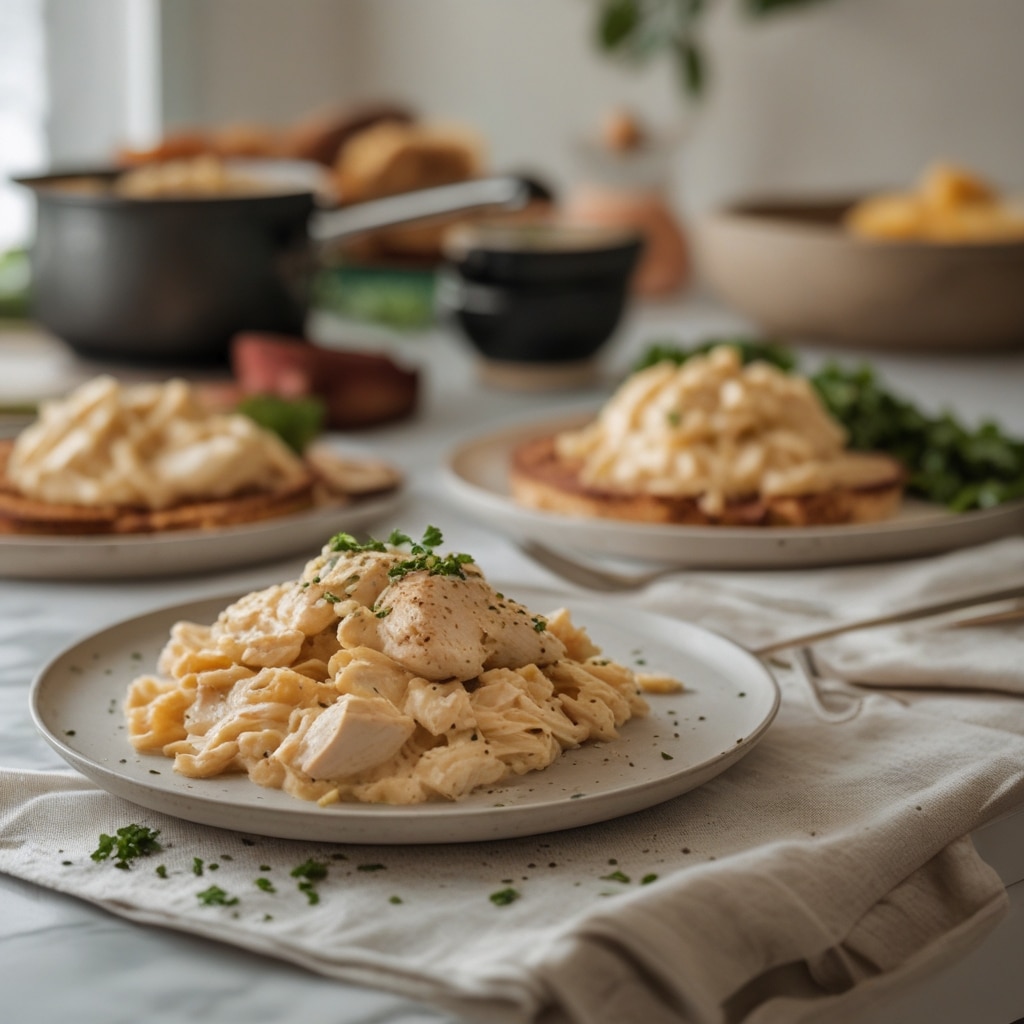
A satisfying, nutritious, and make-ahead meal option can be a game-changer for anyone balancing a busy schedule. That’s where the Chicken Alfredo Meal Prep shines. Designed for those who seek restaurant-quality comfort food at home, this recipe combines high-protein chicken, fiber-rich pasta, and a creamy homemade Alfredo sauce that’s lighter yet deeply flavorful. Beyond taste, this meal prep idea emphasizes time efficiency, portion control, and long-term freshness—all the key factors that appeal to modern home cooks and food enthusiasts alike. Whether you’re a meal-prepping beginner or a seasoned cook aiming to optimize your weekly menu, this guide will help you master the process step-by-step.
—
Step-by-Step Instructions
Creating your own Chicken Alfredo Meal Prep doesn’t have to be intimidating. With smart preparation and a few kitchen hacks, you can assemble this dish quickly while preserving the authenticity and indulgent flavors of a classic Alfredo. Below you’ll find an organized breakdown of each stage, along with expert insights to ensure a balanced, delicious result every time.
Step 1: Prepare and Season the Chicken
Start by choosing boneless, skinless chicken breasts or thighs for optimal tenderness. Pat them dry, then season generously with salt, pepper, garlic powder, and a pinch of paprika for depth. Heat a nonstick skillet with a drizzle of olive oil and sear each side for five to six minutes until golden brown and cooked through. Remove the chicken from the pan and slice it into lean, manageable strips, setting it aside while you make the sauce.
Step 2: Cook the Pasta Efficiently
Whole-grain or protein-enriched fettuccine is a great choice for those keeping an eye on nutritional balance. Boil the pasta in salted water until just al dente—typically one to two minutes less than package instructions—to prevent mushiness after reheating. Drain, rinse quickly with cool water, and toss with a touch of olive oil to stop sticking.
Step 3: Create a Lighter Alfredo Sauce
In the same skillet you used for the chicken, melt butter and sauté minced garlic until fragrant. Stir in flour to form a roux, whisking for about one minute, then pour in low-fat milk and chicken broth slowly. Keep whisking until the sauce thickens. Add grated Parmesan cheese, stirring until smooth. You can enhance the flavor with a dash of nutmeg and black pepper. This version maintains creamy richness while trimming unnecessary calories and saturated fat found in heavy cream.
Step 4: Combine and Portion for Storage
Toss the cooked pasta in the sauce to coat evenly. Then add the sliced chicken pieces, mixing gently so that each portion includes a balanced ratio of carbs, protein, and sauce. Divide the mixture into meal prep containers (preferably glass for long-term storage) and let cool to room temperature before sealing. This helps maintain texture and flavor while avoiding condensation inside containers.
Step 5: Store and Reheat Properly
Refrigerate for up to four days or freeze for up to two months. When reheating, stir in a splash of milk or broth to restore creaminess. Microwave in short intervals, stirring halfway through, or reheat gently on the stovetop. Proper reheating helps preserve the velvety consistency and prevents the sauce from separating.
—
Tips
Optimize Prep Time
To streamline your cooking routine, prepare the Alfredo sauce while the chicken finishes cooking. Using one skillet for both minimizes dishes and maximizes flavor, thanks to the caramelized bits left behind by the seared chicken.
Use High-Quality Ingredients
Freshly grated Parmesan melts better and produces a smoother, silkier sauce compared to pre-grated alternatives. Likewise, choosing organic chicken and whole-grain pasta promotes a more wholesome, balanced meal prep outcome.
Portioning and Nutrition
For a balanced nutritional composition, aim for a ratio of 40% carbs (pasta), 35% protein (chicken), and 25% fat (from cheese and butter). This distribution supports sustained energy and satisfaction throughout your day.
Storage and Labeling
Label each container with dates and portion sizes to streamline your meal rotation. Transparent storage options allow you to easily identify what’s inside, encouraging consistency in your healthy eating habits.
—
Alternative Methods
Dairy-Free Adaptation
If you’re sensitive to dairy, use coconut milk or almond milk with nutritional yeast for a creamy, nutty base. Vegan butter or olive oil substitutes seamlessly for dairy butter while maintaining texture and depth.
Gluten-Free Option
Swap traditional pasta for gluten-free alternatives like brown rice or chickpea pasta. Many gluten-free versions absorb sauce effectively and offer added fiber or plant-based protein for extra benefits.
High-Protein Variation
Enhance protein content by blending cooked cauliflower or Greek yogurt into the sauce. Greek yogurt offers tanginess and creaminess while drastically increasing protein without excess calories.
One-Pot Method
For minimal cleanup, prepare the sauce directly in the same pot as the pasta. After boiling the noodles, reserve a portion of the starchy water, drain, and reintroduce it to the sauce base. This technique adds silkiness, naturally thickening the mixture without extra flour.
Add Veggie Boosts
Broccoli florets, spinach, or roasted red peppers can introduce vivid color and added nutrients. Simply toss these veggies in with the pasta and sauce during the final combining step for a more balanced and vibrant dish.
—
Conclusion
Meal prepping doesn’t have to be dull or restrictive—it can be an indulgent, flavorful experience when you plan intentionally. The Chicken Alfredo Meal Prep embodies this philosophy by merging classic comfort food with modern nutrition and convenience. With its creamy yet balanced sauce, perfectly portioned meal containers, and endless customization options, this dish goes beyond the ordinary to deliver a gourmet-level meal that fits your lifestyle. By applying the strategies shared here—thoughtful timing, fresh ingredients, and smart storage—you’ll redefine what weekday meals can look like while effortlessly supporting your health and productivity goals.
—
Word count: approximately 910 words.