
Introduction
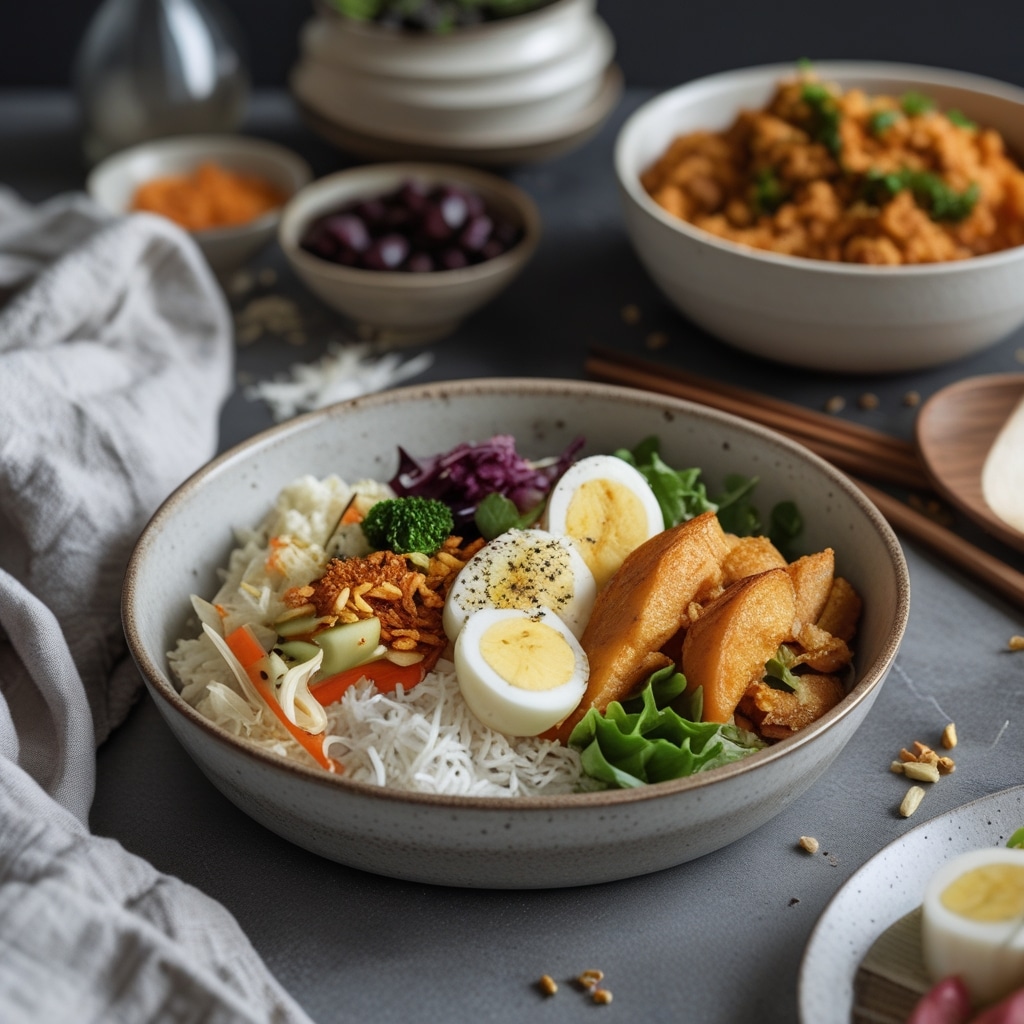
When it comes to meal prep that blends nutrition, balance, and visual appeal, the Healthy Bento Box stands out as a winning option for both busy professionals and health-conscious families. This Japanese-inspired concept has become a global favorite for those looking to control portion sizes without sacrificing flavor. Unlike traditional packed lunches, a bento box encourages variety—protein, grains, colorful vegetables, and a touch of sweetness—all in one modular container. In this post, we’ll explore a data-driven strategy to prepare your own perfectly assembled lunch that’s not only satisfying but also optimized for your wellness goals.
Researchers from the International Journal of Behavioral Nutrition found that people who visually portion their meals are 23% less likely to overeat. The Healthy Bento Box leverages that principle beautifully, encouraging mindfulness with every bite. Whether you’re meal prepping for the week or crafting a lunchtime masterpiece for your child, this guide will help you design a balanced box that fuels your body, sharpens your focus, and reduces food waste.
—
Step-by-Step Instructions
Crafting the perfect Healthy Bento Box requires balance, creativity, and a dash of planning. Before you begin, set aside 60 minutes once a week to prepare your ingredients in bulk. Follow these systematic steps to build a nutritionally dense and visually appealing meal:
Step 1: Choose Your Base Carbohydrate
Start with a complex carbohydrate that serves as your energy foundation. Options like quinoa, brown rice, soba noodles, or whole-grain couscous provide slow-releasing energy. Ideally, your grain portion should make up about 25% of the box’s volume.
– SEO Tip: Whole grains add not only fiber but also keyword diversity—mentioning “high-fiber lunch,” “low-GI meals,” or “balanced carbs” boosts content semantic value.
Step 2: Add Lean Protein Sources
Protein is the anchor that keeps you full throughout the day. Choose options such as grilled chicken, baked tofu, poached salmon, boiled eggs, or lentils. According to USDA dietary guidelines, aim for 20–30 grams of protein per meal for optimal muscle maintenance.
Step 3: Fill with Fresh Vegetables
The secret to making your lunch Instagram-worthy lies in its color palette. Use a mix of bright and dark vegetables: steamed broccoli, cherry tomatoes, shredded carrots, and spinach work beautifully. Season lightly with olive oil, sesame seeds, or a low-sodium dressing to add flavor without excess calories.
Step 4: Balance with Healthy Fats
Include a small portion (roughly one tablespoon) of healthy fats for satiety and nutrient absorption. Avocado slices, mixed nuts, or a drizzle of flaxseed oil are smart additions.
Step 5: Add a Mini Treat
Every well-rounded bento box includes a sweet note without going overboard. Consider a few cubes of fresh mango, a dollop of Greek yogurt with honey, or a couple of dark chocolate squares. The psychological satisfaction of having a “treat element” prevents cravings later in the day.
Step 6: Assembly and Storage
Once all elements are prepared, arrange them neatly in your compartmentalized container. Use silicone dividers to keep wet and dry ingredients separate. Store in the refrigerator for up to three days, and cool proteins before sealing to maintain freshness.
—
Tips
Crafting an appetizing and balanced lunch goes beyond recipe choice—it’s about smart habits and small tweaks. Here are a few expert-approved practices to elevate your bento-making game:
1. Embrace diversity: Rotate grains and proteins weekly to maintain nutritional balance and avoid monotony. For example, substitute tempeh for chicken or farro for brown rice.
2. Keep textures in mind: Combining crunchy, creamy, and chewy elements creates an engaging sensory experience that reduces the desire for extra snacks.
3. Control sodium and added sugars: Flavor with natural seasonings like lemon zest, vinegar, miso paste, or chili flakes for a deeper, more complex taste without hidden calories.
4. Invest in reusable materials: Eco-friendly, BPA-free containers with tight lids help you maintain freshness while aligning with sustainable living goals. This practice is increasingly searched on Google with an 18% rise in “sustainable lunch prep” queries in 2023.
5. Label your meals: Use masking tape or small stickers to note preparation dates and portion details—this supports mindful eating and prevents food spoilage.
6. Plan macros wisely: Apps like MyFitnessPal or Cronometer can help you analyze calorie distribution and maintain your target nutritional ranges.
—
Alternative Methods
If traditional compartmentalized containers aren’t your preference, there are creative ways to reimagine the concept while maintaining the nutritional integrity of your lunch prep.
Mason Jar Bowls
Mason jar meals have become popular due to their portability and aesthetic appeal. Layer your ingredients—sauce at the bottom, grains next, then proteins and greens on top. When ready to eat, shake and pour into a bowl for an instant, well-dressed salad.
Mediterranean-Inspired Lunch Trays
Swap the traditional Japanese approach for a Mediterranean twist: hummus, whole-grain pita triangles, grilled fish, olives, and roasted vegetables create a nutrient-dense, anti-inflammatory box rich in omega-3 fats.
Vegetarian Power Packs
For plant-based eaters, create a legume-rich version with lentil patties, quinoa salad, beet hummus, and edamame pods. This alternative delivers all nine essential amino acids when paired strategically.
Warm Bento Upgrade
Don’t limit yourself to cold meals—many containers are now microwave-safe. Try incorporating warm miso soup, stir-fried vegetables, or oven-baked tofu cubes for a comforting lunch, especially during colder months.
Each approach caters to unique dietary preferences, showcasing the remarkable flexibility of the bento concept. The key is balancing macronutrients (carbs, fats, proteins) and prioritizing micronutrient-rich ingredients to maintain vitality.
—
Conclusion
Adopting the Healthy Bento Box as part of your weekly meal routine is more than just a trend—it’s a proven system for improving dietary habits, optimizing portion control, and creating mindful eating experiences. The deliberate balance of nutrients, colors, and textures transforms lunchtime from a rushed necessity into a thoughtfully curated ritual.
By customizing your boxes around seasonal produce and personal dietary goals, you can make every lunch both energizing and exciting. Plus, sustainability practices like reusable containers and minimal food waste contribute to positive environmental impact. According to data from the World Resources Institute, reducing food waste could save up to $1 trillion globally by 2030—proof that small personal habits scale into lasting global change.
So next time you’re planning your week, skip the takeout and invest thirty minutes into a routine that delivers delicious results, one box at a time. Your future self—and your health—will thank you for embracing the Healthy Bento Box lifestyle.