
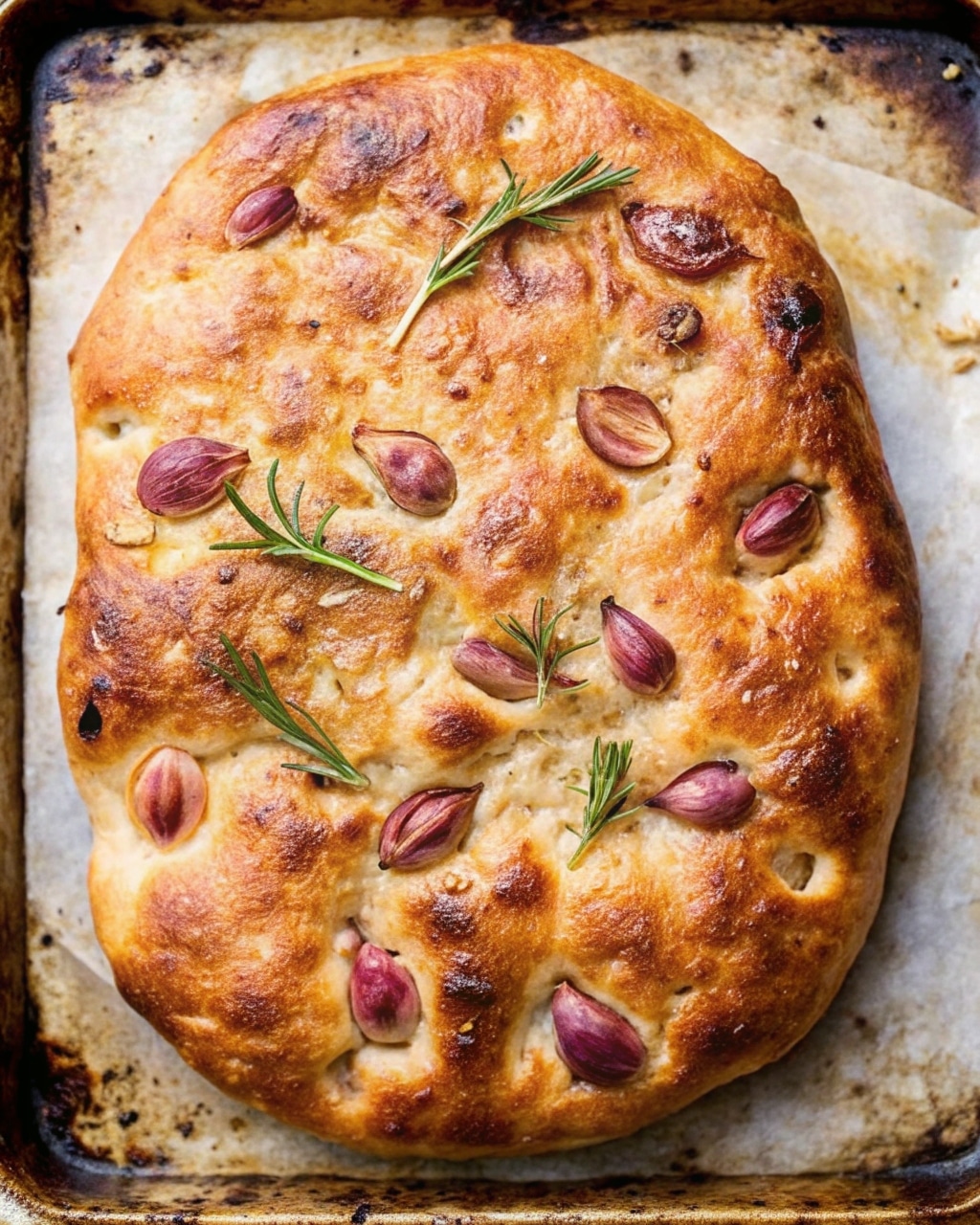
When I first baked focaccia in my small California apartment, I was homesick for Kyoto but found comfort in the rhythm of fermentation. This sourdough focaccia bread recipe brings together the rustic heart of Italian bread and the quiet patience my grandmother taught me in her Kyoto kitchen. Each dimple in the golden crust captures olive oil, sea salt, and time itself. Whether you’re new to sourdough or already nurturing a bubbly starter, this recipe turns flour, water, and salt into something deeply soulful—a bread you’ll want to share warm from the oven.
Ingredients – The Foundation of Sourdough Focaccia
Choosing the Right Base
The key to perfect sourdough focaccia bread lies in balance: strong flour for structure, a lively starter for flavor, and enough water to keep it light. Every ingredient tells its own story, and together they create texture and aroma that make this bread irresistible.
Ingredients Table
| Ingredient | Quantity | Notes |
|---|---|---|
| Active sourdough starter | 100 g (½ cup) | Must be bubbly and fed within 6–8 hours |
| Bread flour | 512 g (4 cups) | High protein (12–13%) for chewy texture |
| Water | 430–440 g (1¾ cups) | Room temperature; chlorine-free |
| Sea salt | 10 g (2 tsp) | Use fine sea salt or kosher |
| Olive oil | 3 tbsp + extra for drizzling | Extra-virgin preferred |
| Flaky sea salt (for topping) | To taste | Try Maldon or similar finishing salt |
Pro Tip: For consistent results, weigh all ingredients with a digital scale. For more about maintaining your
Instructions – Making Sourdough Focaccia Step by Step
Bringing Dough to Life
Baking a great sourdough focaccia bread recipe is all about timing and feel. The slow fermentation gives it character, while your hands give it shape. When I mix the dough, I remember the way my mother gently folded rice dough in Kyoto—it’s that same quiet patience that transforms these simple ingredients into something magical.
Before starting, make sure your starter is active and bubbly. If it doubles in size after feeding, you’re ready to begin. This process takes time but little effort, so let your kitchen—and your sourdough—set the pace.
Step-by-Step Method
- Mix the dough
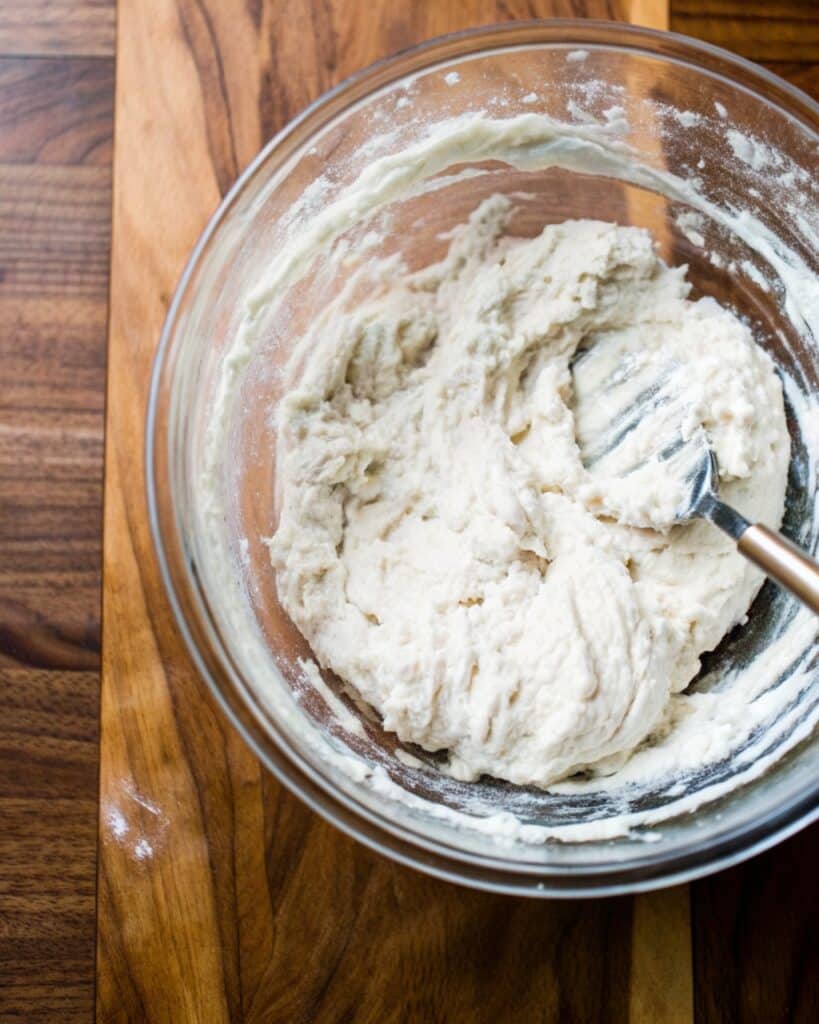
In a large mixing bowl, stir together 100 g of active starter, 10 g of sea salt, and 430–440 g of room-temperature water. Use a wooden spoon or spatula to dissolve most of the starter. Add 512 g of bread flour and mix until no dry bits remain. The dough will look shaggy and sticky—perfect. - First rest (autolyse)
Cover the bowl with a damp cloth and let it rest for 30 minutes. This short rest allows the flour to hydrate fully, giving your focaccia that stretchy, airy texture later. - Stretch and fold
After resting, wet your hands and grab one side of the dough. Gently lift and fold it toward the center. Turn the bowl and repeat 6–8 times. This gentle movement strengthens gluten without kneading. For a clear visual guide, see How to Fold Sourdough Dough Correctly. - Bulk fermentation (first rise)
Drizzle the dough with olive oil, cover it, and let it rise at room temperature (about 70°F / 21°C) for 8–18 hours, depending on temperature and starter strength. In summer, this may take 4–6 hours; in cooler months, up to overnight. The dough should nearly double in volume and show visible bubbles. - Prepare the baking pan
Add 2 tablespoons of olive oil to a 9×13-inch pan. Swirl to coat evenly. If you use glass or ceramic, grease it lightly with butter to prevent sticking. - Shape the dough
Once the dough doubles, gently tip it into the pan. Fold it envelope-style—top to bottom, then side to side—to form a rectangle. Flip it so the seam side faces down. Brush the surface with olive oil, cover loosely, and let it rise again for 4–6 hours, until puffy and almost doubled. - Dimple and season
Preheat your oven to 425°F (218°C). Oil your hands and use all ten fingers to press into the dough, creating deep dimples across the surface. Sprinkle generously with flaky sea salt and, if you like, scatter rosemary or cherry tomatoes. For more creative topping ideas, check out greatyrecipes.com/. - Bake until golden
Bake for 25 minutes, or until golden and crisp around the edges. The bread should release easily from the pan. Transfer it to a rack and cool for 20 minutes before slicing.
Pro Tips for Success
- Temperature is key. If your kitchen is cool, let the dough rise inside a switched-off oven with the light on. Avoid direct heat—slow fermentation builds better flavor.
- Use a straight-sided bowl to track the first rise easily.
- Test your starter: drop a teaspoon into water; if it floats, it’s ready.
Each time I bake this focaccia, I’m reminded that great bread isn’t about perfection—it’s about presence. The smell of olive oil hitting hot dough is enough to make any day feel like home.
You can explore more creamy, protein-packed inspirations in my Specialty Breads Collection and discover more cottage cheese-based dishes on Greaty Recipes’ .
Serving – The Joy of Sharing Sourdough Focaccia
A Slice of Warm Comfort
When the golden focaccia comes out of the oven, its crust whispers and crackles, releasing the nutty scent of olive oil and sourdough. This sourdough focaccia bread recipe isn’t just food—it’s comfort made tangible. I always let it cool for a short while before slicing, allowing the crumb to settle and the flavor to deepen. The result is a bread with a crisp, oil-glazed surface and a soft, airy interior that melts on the tongue.
In Kyoto, my grandmother used to tell me, “Patience tastes better.” I think of her every time I wait for this bread to finish resting. In California, I now serve it the way she might have—alongside small bowls of infused oils or miso butter, where east meets west in one simple bite.
How to Serve Sourdough Focaccia
- Classic Italian Style
Serve it warm with a shallow dish of extra-virgin olive oil and a sprinkle of sea salt. Add a few drops of balsamic vinegar for a tangy contrast. The olive oil absorbs into the bread’s airy crumb, creating a texture that’s luxuriously moist. - Japanese-Inspired Twist
Try serving slices with miso butter—a blend of softened butter and a teaspoon of white miso paste. This adds a rich umami flavor that pairs beautifully with the sourdough’s subtle tang. You can find my full version in the Miso Butter Corn Recipe. - For Sandwiches or Meals
Cut horizontally and use it as sandwich bread for roasted vegetables, grilled chicken, or tofu. Its chewy crumb and gentle acidity make it ideal for savory fillings. - For Gatherings and Appetizers
Tear into bite-sized pieces and serve as part of a grazing board with olives, cheese, or small bowls of Herb Oil Dip. Its olive-scented aroma invites sharing—no knife required. - For Breakfast or Brunch
Toast leftover focaccia lightly, drizzle with honey, and top with sliced figs or ricotta. The combination of sweet and sour is unexpected but delightful.
The Perfect Finishing Touch
For an irresistible golden sheen, brush the top of your focaccia with a light coat of olive oil just after baking. Sprinkle a pinch of flaky salt and, if desired, a few fresh rosemary needles. If you enjoy subtle heat, try a dusting of chili flakes or black sesame seeds for contrast.
Nutrition – The Science and Soul of Sourdough Focaccia
Why Sourdough Feels Better
Good bread should nourish both body and spirit. This sourdough focaccia bread recipe does exactly that. Thanks to natural fermentation, sourdough is easier to digest and more flavorful than conventional yeasted breads. The wild yeasts and lactic acid bacteria in your starter break down gluten and phytates, making nutrients more accessible.
When I first shared this focaccia with friends in California, they were surprised by how light they felt after eating it. That’s the beauty of sourdough — slow fermentation transforms simple ingredients into a food that feels alive. My grandmother would say, “Let the dough breathe, and it will love you back.”
Nutrition Facts (Per Slice – based on 12 servings)
| Nutrient | Amount | Benefits |
|---|---|---|
| Calories | 190 kcal | Moderate energy, satisfying yet light |
| Protein | 6 g | Supports muscle repair and satiety |
| Total Fat | 8 g | Healthy fats from olive oil |
| Carbohydrates | 25 g | Slow-releasing natural carbs |
| Fiber | 1.5 g | Aids digestion and gut health |
| Sodium | 220 mg | Balanced seasoning; can adjust to taste |
For a detailed guide to the benefits of fermentation, you can read Fermented Food Benefits.
If you want to make this recipe lighter, substitute 20% of the bread flour with whole wheat flour for extra fiber. For gluten-sensitive bakers, visit greatyrecipes.com/healthy-bread-guide for adaptable flour options and hydration tips.
The Quiet Power of Natural Fermentation
Fermentation doesn’t just make bread rise; it makes it alive. It develops organic acids that act as natural preservatives, giving your focaccia a longer shelf life without additives. It also reduces glycemic impact, meaning your blood sugar rises more gradually compared to conventional breads.
As I bake, I like to think of it as meditation. The slow bubbling of the starter feels like breathing — a reminder that patience always rewards us with flavor, nourishment, and balance.
FAQ Section
1. What ingredients do you need for sourdough focaccia?
You’ll need an active sourdough starter, bread flour, water, salt, and olive oil. Use a high-protein flour for structure and flavor. Optional toppings include flaky salt, herbs, or cherry tomatoes.
2. Does sourdough focaccia need a long rise?
Yes — sourdough relies on natural fermentation, so plan two slow rises: 8–18 hours for the first, and 4–6 hours for the second. The longer rise enhances both texture and tang.
3. Do I need an active starter for sourdough focaccia?
Absolutely. The starter should double in size 6–8 hours after feeding. A sluggish starter will result in dense bread.
4. How do you make sourdough focaccia light and airy?
Use proper hydration (around 80–85%), perform stretch-and-folds during the first rise, and avoid overhandling after the final proof. Bake at 425°F for a golden, crisp crust with a pillowy crumb.
Conclusion
Every time I pull this sourdough focaccia bread recipe from the oven, I’m reminded that great bread doesn’t rush. It rises quietly, like confidence. From my grandmother’s kitchen in Kyoto to my cozy home in California, this bread bridges cultures through patience, warmth, and love.
So, take your time, trust your dough, and let it rise — not just in your bowl, but in your spirit too.
Print
Sourdough Focaccia Bread Recipe: Simple, Light & Full of Flavor
- Total Time: 18 hours 25 minutes
- Yield: 12 slices 1x
- Diet: Vegetarian
Description
Soft, airy, and olive-oil-rich sourdough focaccia bread with a golden crust and chewy texture.
Ingredients
100 g active sourdough starter
512 g bread flour
430–440 g water
10 g salt
3 tbsp olive oil
Flaky sea salt for topping
Instructions
1. Mix starter, salt, and water.
2. Add flour and mix until combined.
3. Rest for 30 minutes.
4. Stretch and fold the dough.
5. Let rise 8–18 hours.
6. Transfer to pan and rise again 4–6 hours.
7. Dimple, drizzle, and bake at 425°F for 25 minutes.
Notes
Use an active starter for best results.
For a Japanese twist, serve with miso butter.
Store leftovers in an airtight container.
- Prep Time: 18 hours
- Cook Time: 25 minutes
- Category: Bread
- Method: Baked
- Cuisine: Italian-Japanese Fusion
Nutrition
- Serving Size: 1 slice
- Calories: 190
- Sugar: 0.5 g
- Sodium: 220 mg
- Fat: 8 g
- Saturated Fat: 1 g
- Unsaturated Fat: 6.5 g
- Trans Fat: 0 g
- Carbohydrates: 25 g
- Fiber: 1.5 g
- Protein: 6 g
- Cholesterol: 0 mg