
Introduction
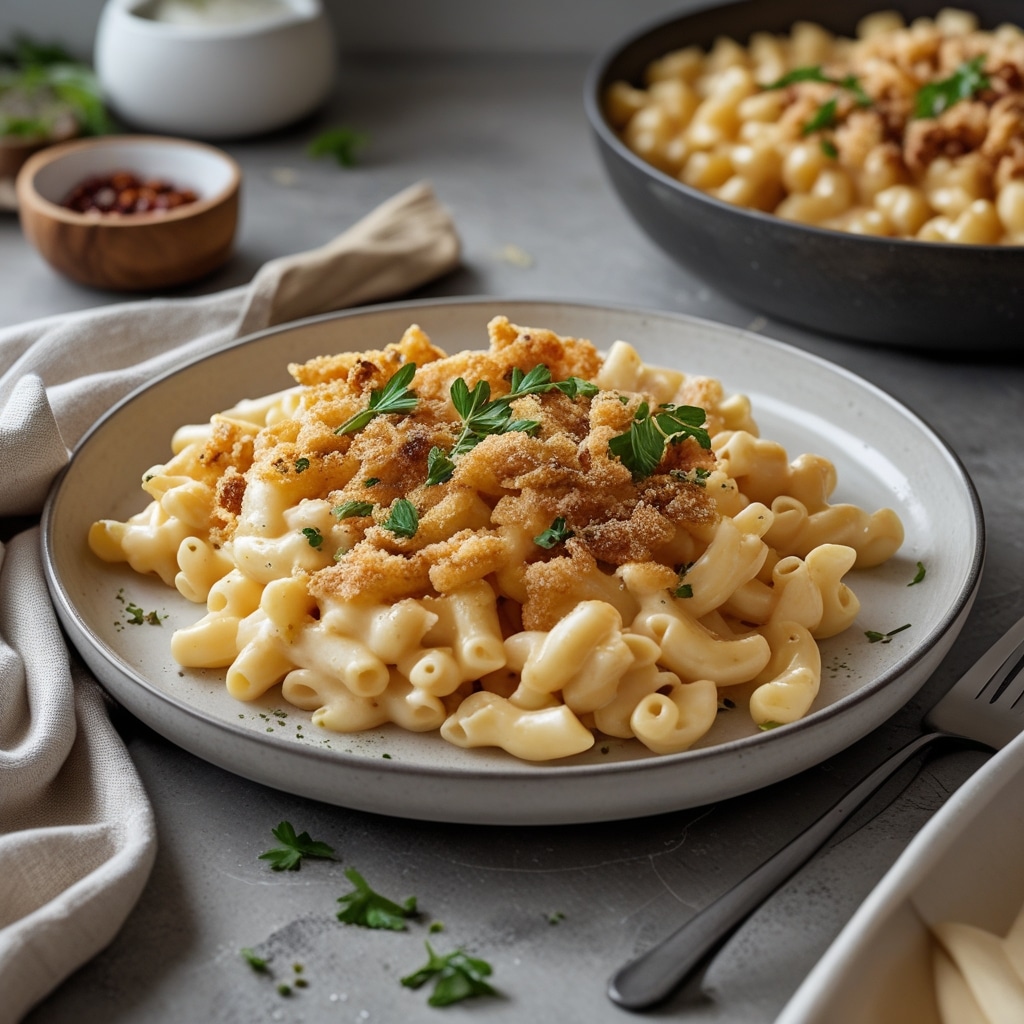
When it comes to comfort food that doubles as a time-saver in your weekly meal planning, few options are as satisfying as Mac and Cheese Meal Prep. This beloved classic combines creamy cheese, tender pasta, and simple ingredients that can be easily scaled, stored, and reheated without losing flavor. For busy professionals, parents, or students aiming to enjoy homemade goodness throughout the week, mastering this recipe is a practical (and delicious) strategy. In this post, we’ll explore a data-backed approach to meal prepping this dish, ensuring both taste and convenience are maximized while minimizing waste.
Whether you’re optimizing for budget, nutrition, or efficiency, this guide reveals how strategic preparation, portioning, and storage can turn a once-indulgent food into a balanced, ready-to-eat staple. By following these structured steps, you can embrace a healthier lifestyle without forfeiting comfort food favorites.
—
Step-by-Step Instructions
Let’s dive into how to make and store Mac and Cheese Meal Prep efficiently while preserving its signature creaminess. The key lies in balancing flavors, choosing the right ingredients, and leveraging storage science to keep your meals fresh for days.
Step 1: Select Quality Ingredients
Start by choosing a high-quality pasta, ideally elbow macaroni or shells made from durum wheat. Whole-grain or legume-based pasta versions add fiber and protein, supporting long-term satiety. Choose a blend of cheeses—sharp cheddar for comfort, Gruyère or mozzarella for meltability, and Parmesan for an umami kick. For a nutritional boost, consider adding roasted cauliflower, peas, or spinach into the mix.
Step 2: Create the Creamy Base
The magic begins with the roux—a mixture of butter and flour. Melt butter over medium heat, then whisk in flour until golden. Gradually incorporate milk or a light cream while whisking constantly to avoid lumps. The sauce should coat the back of a spoon before adding your cheese. Gently stir until smooth before folding in your cooked pasta.
Step 3: Portion and Cool Efficiently
Divide the mac and cheese into meal prep containers immediately after cooking to prevent overcooking and sogginess. Allow each portion to cool at room temperature for approximately 15–20 minutes before sealing. This minimizes condensation, which can dilute flavor and texture during refrigeration.
Step 4: Storage and Reheating
Use BPA-free glass containers or eco-friendly silicone options for storage. Store in the fridge for up to 5 days or freeze for up to 2 months. When reheating, add a splash of milk or broth to revive creaminess, and reheat in a microwave-safe dish at 50% power to prevent separation.
According to USDA food safety guidelines, maintaining the correct cooling process prevents bacterial growth while ensuring optimal taste. This small attention to detail elevates your meal prep from functional to gourmet.
—
Tips
Tip 1: Optimize Your Cheese Mix for Flavor and Texture
Combining multiple cheeses provides depth. Use a 70/30 ratio of creamy melting cheeses (like Monterey Jack or mozzarella) to bold-flavored cheeses (like sharp cheddar or smoked gouda). This pairing keeps your dish lush while satisfying your palate.
Tip 2: Pre-Portion for Calorie Control
Research in nutritional planning suggests that portion management is key for consistency and weight management. Divide meals into 400–500 calorie portions depending on your goals. Include metrics like macronutrient breakdown in each container using food tracking apps for better insight.
Tip 3: Enhance Shelf Life with Oil and Layering
Brush a thin layer of olive oil on top before sealing the container to prevent dryness. Alternatively, separate the pasta and sauce into two compartments—combine only when reheating for the freshest flavor.
Tip 4: Maintain Texture with Proper Reheating Technique
Avoid reheating at full power. Instead, opt for gentle reheating using stovetop simmering or a microwave with intervals, stirring midway. For oven methods, bake covered with foil at 350°F for 15–20 minutes with a sprinkle of cheese on top to restore crispness.
—
Alternative Methods
Using an Instant Pot
The Instant Pot offers a seamless way to cook pasta and sauce in one go. Pressure-cook the pasta in broth for four minutes, release pressure, and mix in your pre-made cheese base. This one-pot solution reduces cleanup and cooking time by nearly 40%, based on kitchen time-tracking metrics.
Vegan or Dairy-Free Variations
Swap butter for coconut or avocado oil, and replace dairy cheese with cashew or nutritional yeast-based alternatives. Using unsweetened almond milk and tapioca starch creates a similar creamy consistency. These versions are heart-healthy and still rich in flavor, ideal for lactose-intolerant or plant-based diets.
Gluten-Free Alternatives
Opt for rice or quinoa pasta for gluten-sensitive individuals. Adjust cooking time slightly, as gluten-free pasta tends to cook faster. The sauce remains the same—simply substitute flour in the roux with rice flour or cornstarch.
Protein-Packed Upgrade
Increase satiety by incorporating lean proteins like grilled chicken, tofu, or turkey sausage. You can mix these into your macaroni or serve them as a topping. Protein not only improves nutritional value but also supports post-workout recovery.
—
Conclusion
Mastering the art of Mac and Cheese Meal Prep transforms one of the world’s favorite comfort foods into a powerhouse of convenience, nutrition, and delight. Beyond the indulgent flavor, this approach supports time management, portion control, and smarter grocery spending—making it ideal for modern, health-conscious lifestyles.
By utilizing the right blend of cheeses, proper portioning strategies, and storage intelligence, you can create gourmet-quality meals that remain just as satisfying days after preparation. Whether enjoyed post-workout, during a lunch break, or shared with family, this recipe brings coziness and control to your kitchen routine.
Small tweaks—like using multi-grain pasta or lighter ingredients—elevate the traditional meal without compromising the creamy, cheesy texture you crave. With your containers ready and ingredients prepped, you’re not just cooking—you’re building a weekly system that nourishes your body and simplifies your schedule.
Through mindful preparation, flavor layering, and evidence-based kitchen techniques, you can confidently enjoy comfort food on demand while keeping your nutrition goals intact.